

Luxor, Egypt, is a living museum of ancient history. Home to one-third of the world’s monuments, it offers travelers an unforgettable glimpse into the lives of pharaohs. If you’re planning a trip, a common question arises: “How many days in Luxor are enough?”
This guide covers 1, 2, 3, and 4-day itineraries, highlighting must-see temples, tombs, museums, and unique experiences like hot air balloon rides and felucca cruises.
Private 2 Days tour from Hurghada to luxor from Soma Bay
2-Day Trip to Luxor from Hurghada Makadi Bay by Car
2 Day Trip to Luxor from Hurghada Makadi Bay with Hot Air Balloon Ride
Quick Overview: Must-Know Tips
Essential Travel Prep:
- Get a local Egypt eSIM for easy connectivity.
- Book transfers between East and West Banks in advance.
- Travel insurance is highly recommended.
Top Attractions:
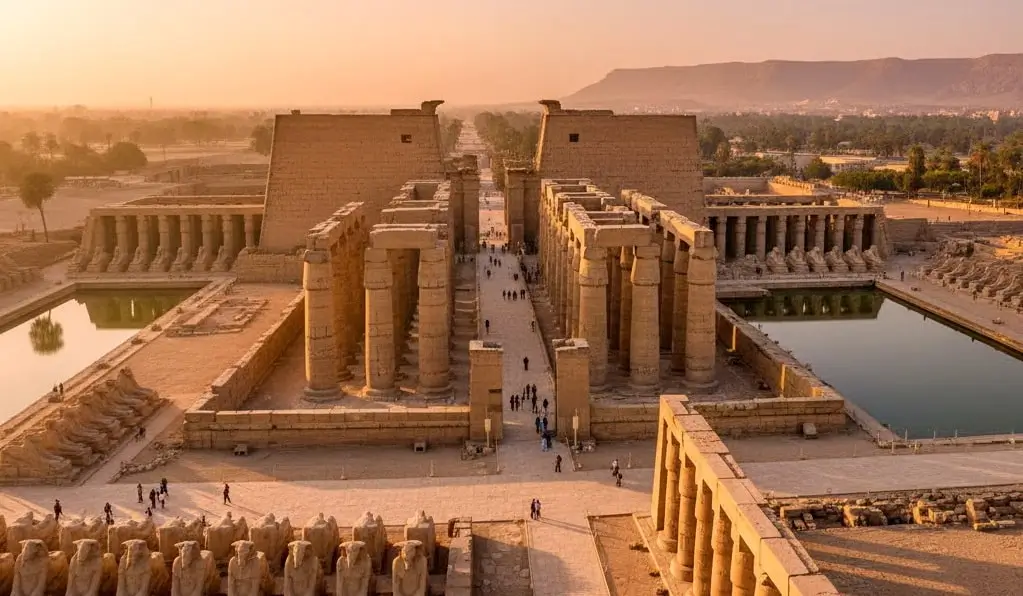
- Karnak Temple & Luxor Temple (East Bank)
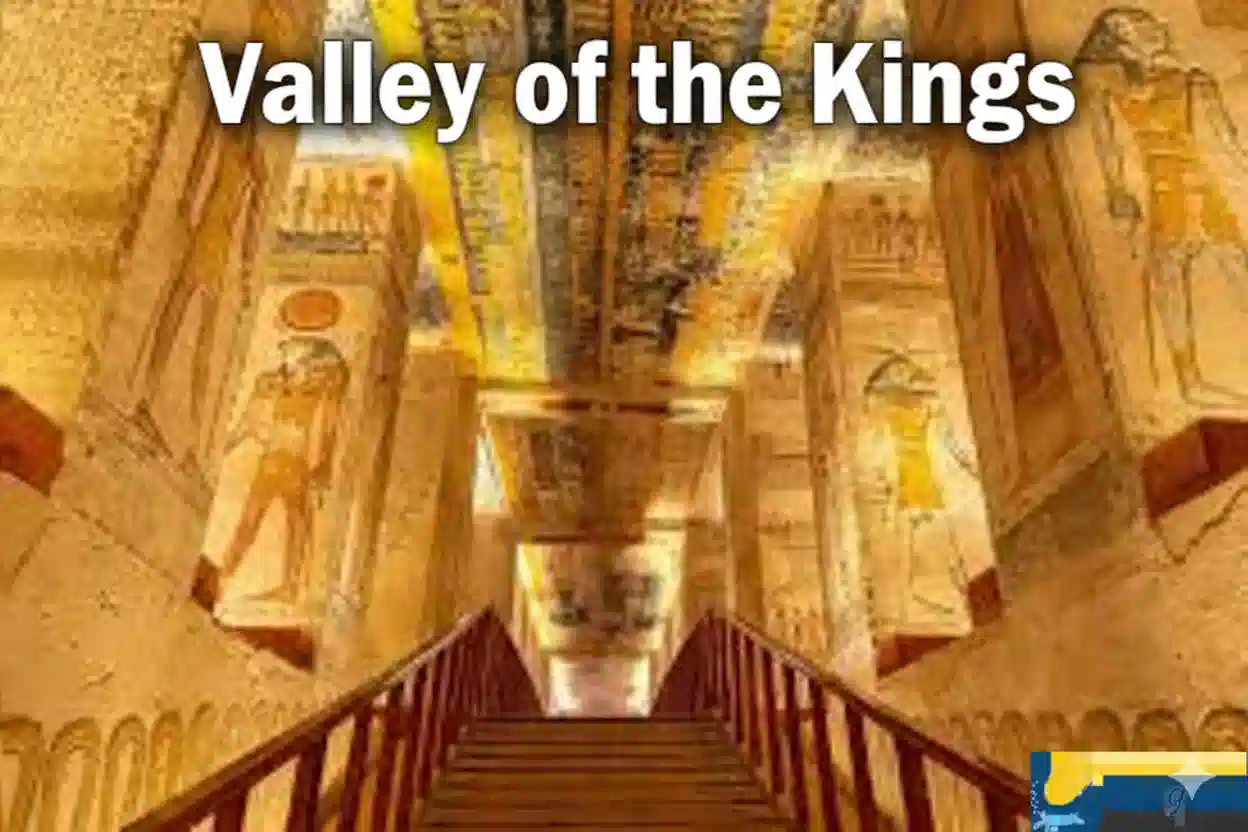
- Valley of the Kings & Temple of Hatshepsut (West Bank)
- Medinet Habu, Colossi of Memnon, and Tombs of the Nobles
Unmissable Experiences:
- Sunrise hot air balloon ride over the West Bank.
- Sunset felucca ride on the Nile.
Recommended Stay:
- East Bank: Pavillon Winter Luxor
- West Bank: Sunshine House
One Day in Luxor: Essential Highlights

If you have just one day, focus on the city’s must-see sites:
Morning – Karnak Temple (6:00 – 9:00 AM):
Arrive early to enjoy this massive complex nearly to yourself. Explore the Great Hypostyle Hall, Sacred Lake, and towering obelisks.
Late Morning – Luxor Temple (9:30 – 11:00 AM):
Located in the city center, Luxor Temple offers a layered history of Egyptian, Greek, and Roman influences, with a mosque integrated into its ancient walls.
Lunch (11:00 – 12:00 PM):
Choose a local café along the Nile for a quick koshary or shawarma.
Afternoon – West Bank: Valley of the Kings (12:30 – 3:00 PM):
Visit three tombs of your choice, including KV2, KV11, and KV14. Stop briefly at the Colossi of Memnon on your way back.
Pro Tip: For a whirlwind day, book a private guided tour covering both East and West Banks.
Two Days in Luxor: Balanced Exploration
Day 1 – East Bank Temples:
- Morning: Extended visit to Karnak, including the Temple of Khonsu and Thutmose III’s Festival Temple.
- Afternoon: Rest, lunch, and visit the Luxor Museum for context on artifacts.
- Evening: Visit Luxor Temple at sunset to experience its magical illumination.
Day 2 – West Bank Highlights:
- Early Morning: Hot air balloon ride at sunrise over the West Bank.
- Morning: Temple of Hatshepsut at Deir el-Bahari.
- Late Morning: Valley of the Kings, with optional special tickets for Tutankhamun or Seti I tombs.
- Afternoon: Visit Colossi of Memnon and Medinet Habu.
- Evening: Optional felucca sail at sunset.
Three Days in Luxor: Deeper Immersion
Day 1: Follow the East Bank plan from the two-day itinerary.
Day 2 – Optional Day Trips:
- Aswan Trip: Philae Temple, Aswan High Dam, Unfinished Obelisk, Nubian Village.
- Dendera & Abydos: Temples of Hathor and Seti I, famous King Lists and zodiac ceilings.
- Edfu, Kom Ombo & Abu Simbel: Temple of Horus, Kom Ombo double temple, and the relocated Abu Simbel temples.
3 Day – West Bank Full Day:
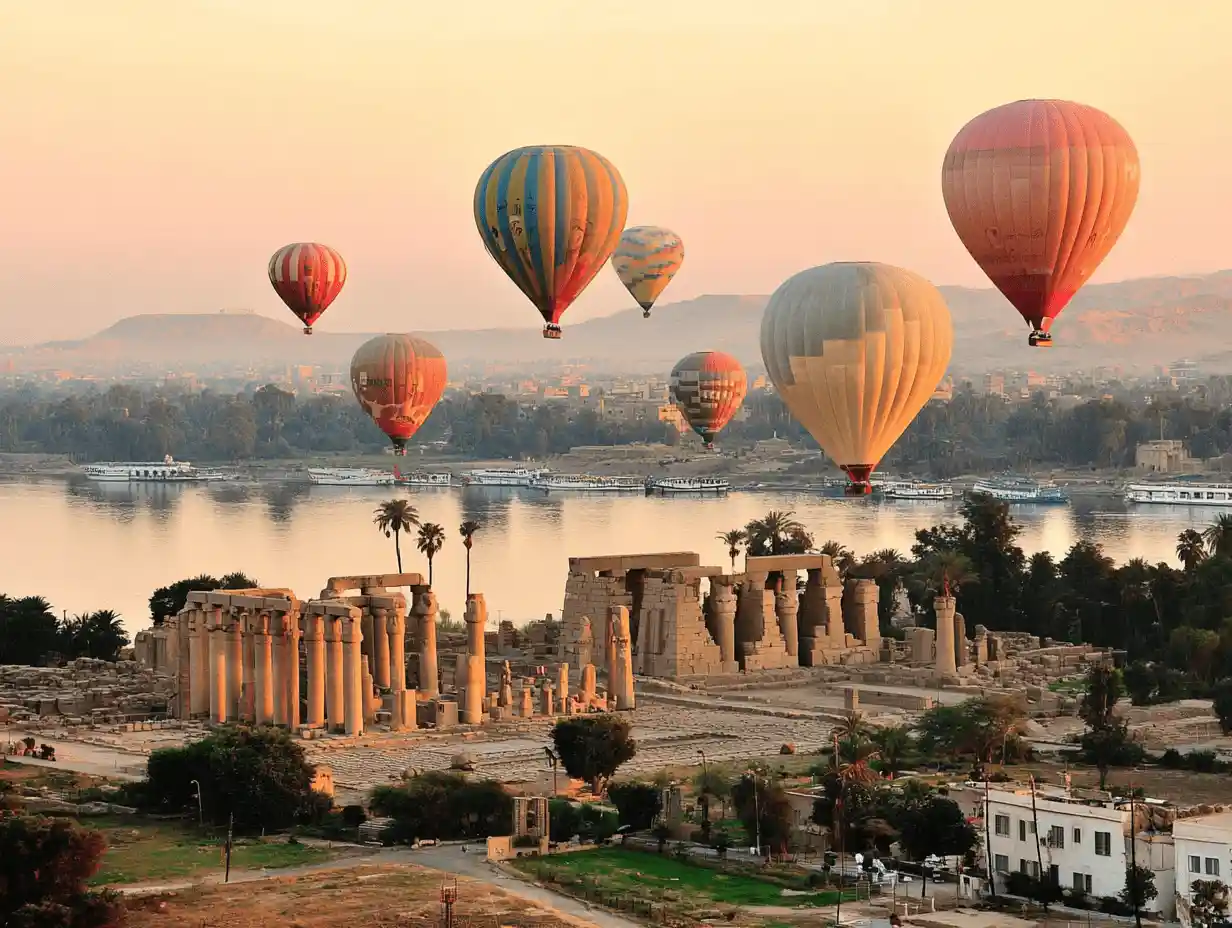
- Morning: Hot air balloon ride and extended exploration of Valley of the Kings.
- Lunch: Near tourist sites.
- Afternoon: Temple of Hatshepsut, Tombs of the Nobles, and Medinet Habu.
- Evening: Felucca ride to close your journey.
Four Days in Luxor: The Ultimate Experience
With four days, you can experience Luxor at a relaxed pace and uncover hidden treasures:
Day 1 – East Bank Temples:
Follow the first-day itinerary for Karnak and Luxor Temples, plus Luxor Museum.
Day 2 – West Bank Essentials:
Start with a sunrise balloon ride, visit Valley of the Kings, Temple of Hatshepsut, and Colossi of Memnon. End the day with Medinet Habu.
Day 3 – Day Trip Adventure:
Choose one of the following:
- Aswan: Philae, High Dam, Nubian Village.
- Dendera & Abydos: Temples and King List.
- Edfu & Kom Ombo & Abu Simbel: Three iconic temples along the Nile.
Day 4 – Hidden Gems and Leisure:
- Explore Tombs of the Nobles for rare insights into daily life in ancient Egypt.
- Optional revisit of favorite sites or additional museums.
- Enjoy a relaxed felucca ride, photography sessions, or local market strolls.
- Evening: Sunset views over the Nile and reflection on your Luxor journey.

Honest Assessment: How Many Days in Luxor?
- One day: Better than skipping, but rushed.
- Two days: Ideal for a complete, comfortable visit covering main attractions.
- Three days: Perfect for immersive exploration, including hidden gems and optional day trips.
- Four days: Ultimate Luxor experience, allowing time to absorb the city’s history, explore lesser-known sites, and enjoy a slower pace.
Practical Tips for Visiting Luxor
Food & Hydration:
Carry water, snacks, and enjoy meals in cooler hours.
Transportation:
- East-West Bank: Use ferry or felucca (~2 USD).
- East Bank: Walking or taxi (~2 USD).
- West Bank: Tuk-tuk (~12 USD/day) or taxi for comfort.
Best Time to Visit:
November to February (20–25°C). Avoid summer heat exceeding 40°C.
Tip: Start early every day for the best experience, especially at Karnak Temple.
faqs
1. How many days do I need in Luxor?
- For a rushed visit, 1 day covers the main highlights.
- For a comfortable experience including East and West Bank, 2 days is ideal.
- For deeper exploration with hidden gems and optional day trips, 3 days is perfect.
- For the ultimate Luxor experience, including relaxation and extra excursions, plan 4 days.
2. What is the best month to visit Luxor?
- November to February offers pleasant temperatures (20–25°C) and minimal heat.
- October, March, and April are also good months. Avoid May to September when temperatures can exceed 40°C.
3. Is Luxor safe for tourists?
- Yes, Luxor is generally safe for tourists. Standard precautions, such as avoiding poorly lit areas at night and keeping an eye on personal belongings, are recommended.
4. Do I need a guide in Luxor?
- A knowledgeable guide is highly recommended, especially in the Valley of the Kings and temples. They provide historical context and help navigate the complex sites efficiently.
5. Which is better for staying: East Bank or West Bank?
- East Bank: Closer to hotels, restaurants, and main temples (Karnak & Luxor Temple).
- West Bank: Better for early access to Valley of the Kings and a quieter, more local experience.
6. How much does a hot air balloon ride cost in Luxor?
- Approximately 3000 EGP (~62 USD) per person. The ride usually lasts 3 hours including hotel pickup.
7. What should I wear when visiting Luxor temples?
- Light, breathable clothing, comfortable walking shoes, and a hat or scarf for sun protection. Avoid revealing clothing out of respect for local customs.
8. Is Luxor Temple worth seeing at night?
- Absolutely. The temple is beautifully illuminated after sunset, creating a magical atmosphere that is very different from daytime visits.
9. Can I visit all major attractions in one day?
- Technically yes, but it will be rushed. You may miss the detailed history and experience of each site. Two or more days is recommended for a richer experience.
10. Are there any hidden gems in Luxor?
- Yes. Some lesser-known sites include Medinet Habu, Tombs of the Nobles, and the quieter areas of Karnak Temple. These sites are less crowded and offer unique insights into ancient Egyptian life.
Conclusion
Luxor is more than a city; it’s a journey through time. Whether you have one or four days, planning wisely, starting early, and pacing yourself will allow you to experience its grandeur fully. Each temple, tomb, and monument tells a story that has survived thousands of years, waiting for visitors to discover.
Take your time, stay curious, and prepare to be amazed – Luxor’s treasures are endless, and every day here is a step into history.
 English
  German
  French
  Polish
  Russian
  Czech
Czech  Spanish
  Romanian
  Turkish
  Italian
  Hungarian
0 Comment