2 days
Up to 2 days
Unlimited
English, Espanol, Francais, German, italian, polish, Romanian, russian
The 2-Day Luxor, Aswan & Abu Simbel Tour from Marsa Alam combines three of Upper Egypt’s most important destinations in one carefully planned journey. Travel from Marsa Alam to Luxor, explore the ancient royal tombs and temples, continue to Aswan for an overnight stay, then visit the magnificent Abu Simbel Temples before returning to Marsa Alam.
This two-day private journey is designed for travelers who want to discover more of southern Egypt without arranging separate transfers, sightseeing tours, accommodation and entrance tickets. The route includes the Valley of the Kings, Hatshepsut Temple, Colossi of Memnon, Karnak Temple, Philae Temple, the High Dam and Abu Simbel.
The itinerary includes long road journeys and early starts, but it allows you to experience several of Egypt’s most important archaeological sites within only two days.
Instead of visiting these destinations on separate trips, this itinerary connects them into one continuous route. You travel from Marsa Alam to Luxor, continue to Aswan, visit Abu Simbel the following morning and then return to Marsa Alam.
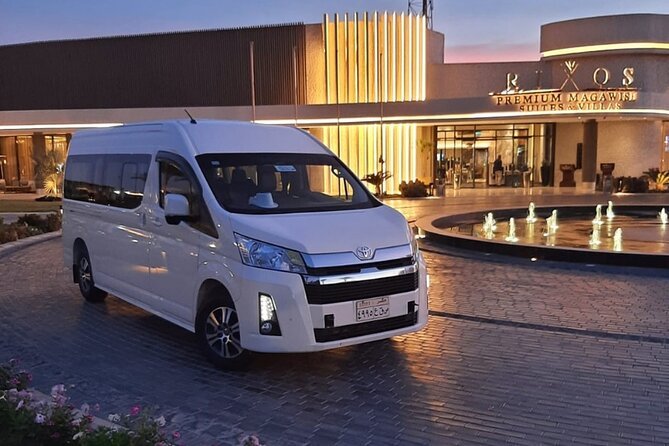
The journey is arranged around a private vehicle, giving your group a more personal travel experience and making the long-distance route easier to manage.
Your guide accompanies you during the sightseeing program and explains the history, architecture and stories behind the monuments. This makes the ancient sites easier to understand as you move from Luxor to Aswan and Abu Simbel.
Staying overnight in Aswan makes it possible to continue south to Abu Simbel early the following day rather than returning to Marsa Alam after the Luxor visit.
Your Luxor Aswan Abu Simbel Tour from Marsa Alam starts with an early pickup from your hotel in Marsa Alam. The journey to Luxor takes several hours, so the day begins early to make the most of your time in Upper Egypt.
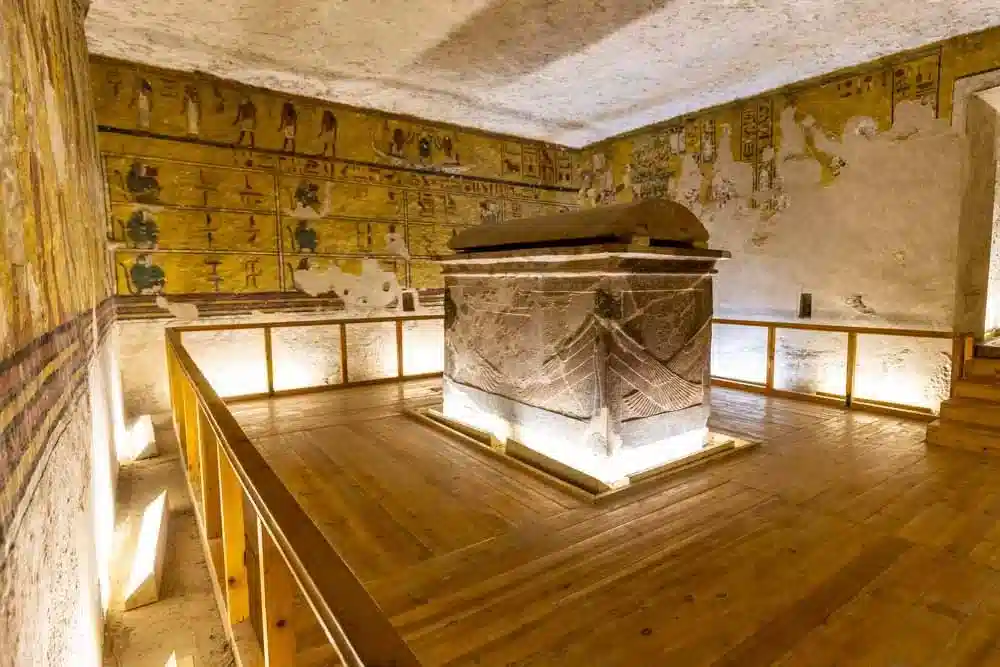
Your first major sightseeing stop is the Valley of the Kings, located on Luxor’s West Bank.
The valley served as the burial ground for many New Kingdom pharaohs. Walk through the desert landscape and enter the selected royal tombs included in your visit, where painted scenes and hieroglyphic inscriptions remain visible on the walls.
Your guide explains the ancient Egyptian beliefs surrounding the afterlife and the role of the royal tombs.
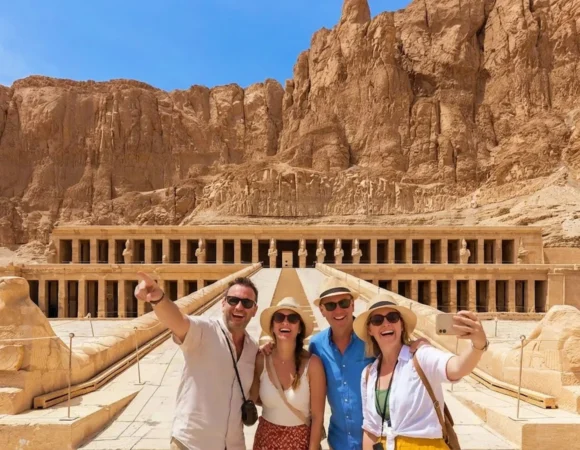
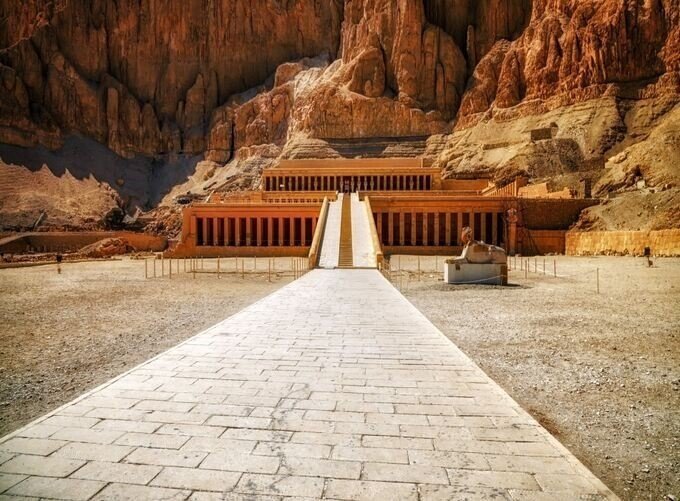
Continue to the Temple of Queen Hatshepsut, one of Luxor’s most distinctive monuments.
Built into the cliffs of Deir el-Bahari, the temple is known for its wide terraces, impressive columns and dramatic setting beneath the limestone mountains.
Your guide introduces the story of Queen Hatshepsut and explains the purpose and design of the temple.
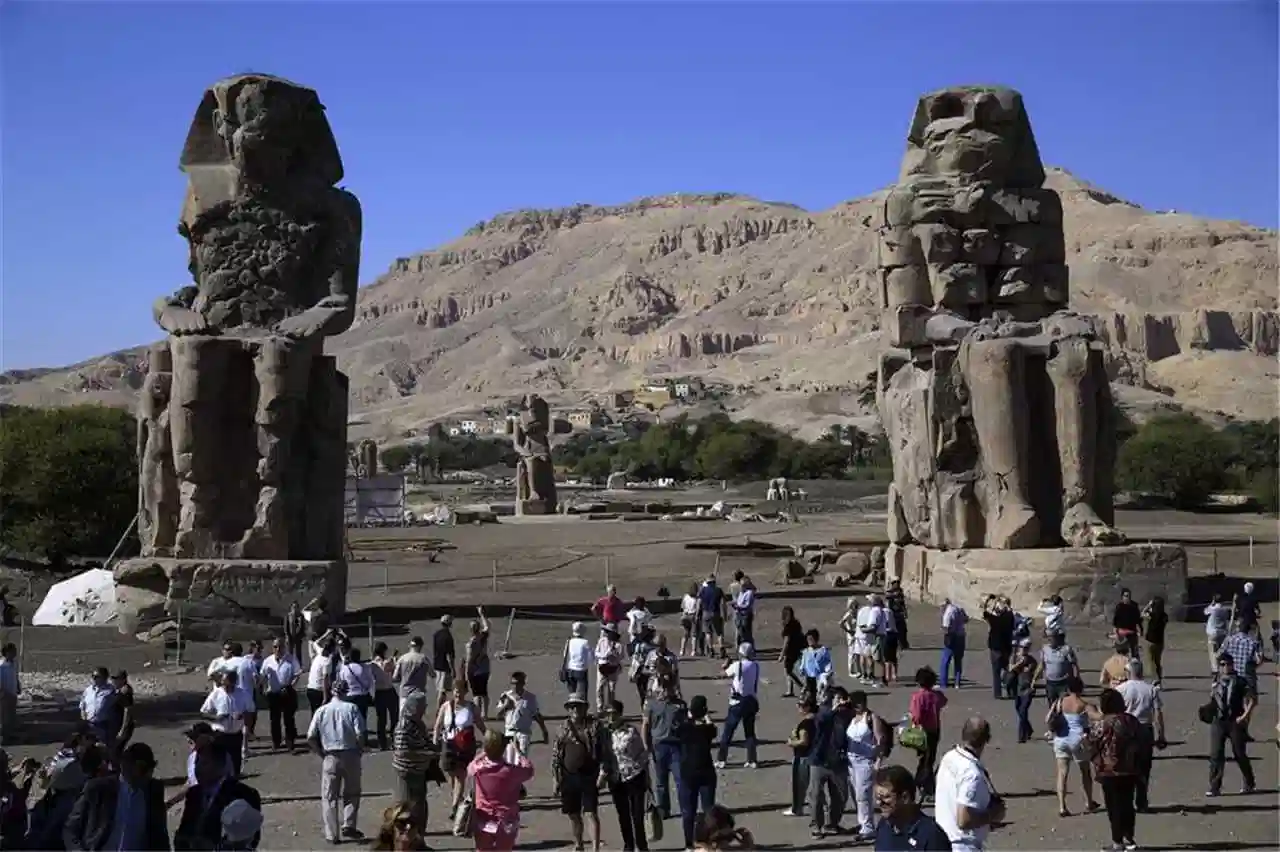
Make a short stop at the Colossi of Memnon, two enormous seated statues that once stood at the entrance to the temple complex of Amenhotep III.
The statues are an easy and worthwhile stop on the West Bank route and offer an impressive photo opportunity.
Enjoy lunch during your Luxor sightseeing program before continuing to the East Bank.
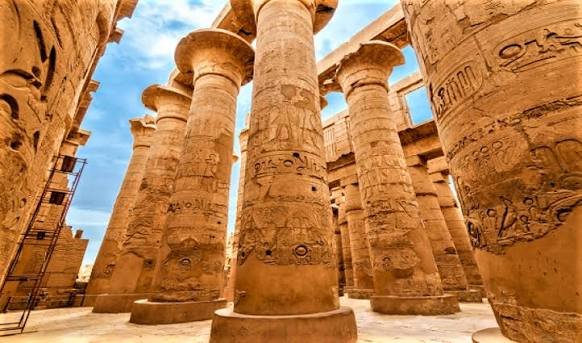
In the afternoon, visit Karnak Temple, one of the largest and most important religious complexes in ancient Egypt.
Walk through the monumental gateways, courtyards and columns while your guide explains how different pharaohs expanded the complex over many centuries.
The Great Hypostyle Hall is one of the most impressive parts of the visit, with its huge columns covered with ancient inscriptions and reliefs.
After the Luxor sightseeing program, leave Luxor by private vehicle and continue south to Aswan.
Arrive in Aswan for dinner arrangements and your overnight stay.
Overnight: Aswan
The second day begins early with the journey from Aswan to Abu Simbel.
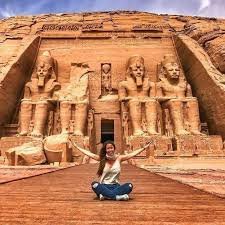
The highlight of the morning is the Abu Simbel Temples, among the most recognizable monuments of ancient Egypt.
The temples were built during the reign of Ramses II and are famous for their enormous statues carved into the rock at the entrance.
Inside, your guide explains the royal reliefs, religious scenes and historical importance of the temples.
The Abu Simbel visit requires an early start and another long road journey, but it gives you the opportunity to see one of Egypt’s most remarkable archaeological sites in person.
After visiting Abu Simbel, return to Aswan for lunch.
Take a short break before continuing with the afternoon sightseeing program.
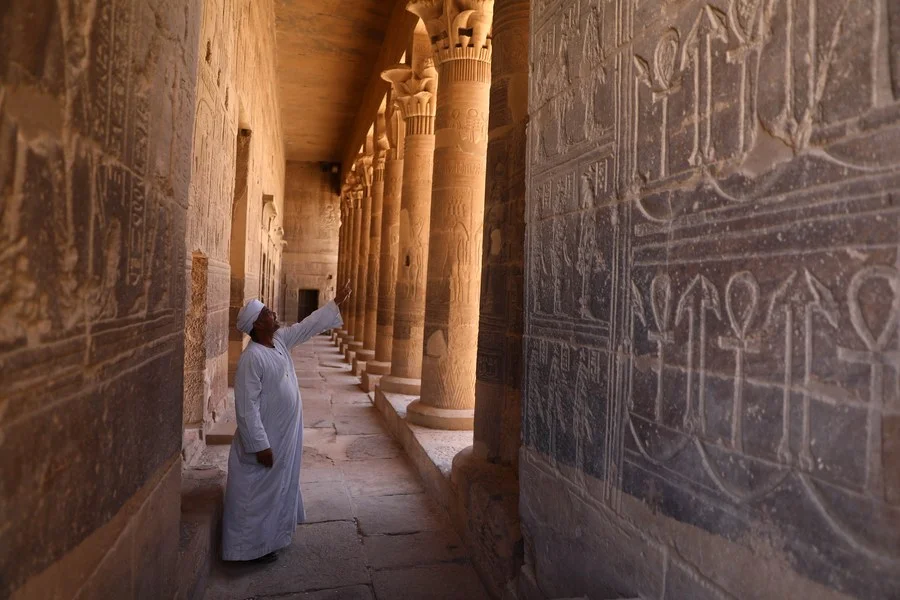
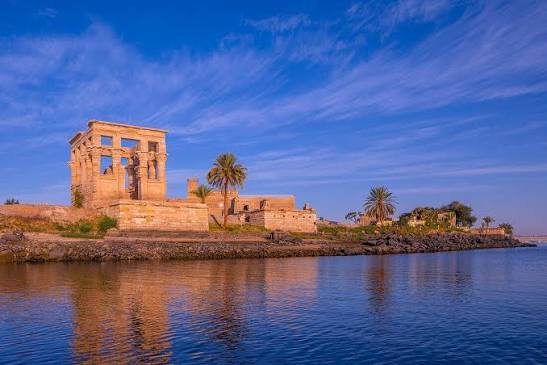
Continue to Philae Temple, dedicated primarily to the goddess Isis.
The temple complex stands on Agilkia Island and is reached by boat. Its island setting, columns and detailed reliefs create a very different atmosphere from the desert monuments visited earlier.
Your guide explains the history of Philae and the major relocation project that protected the temple complex after the construction of the High Dam.
Before leaving Aswan, visit the High Dam, one of Egypt’s most important modern engineering projects.
The dam transformed water management along the Nile and played a major role in irrigation and electricity production.
After completing the Aswan sightseeing program, begin the private road journey back to Marsa Alam.
The tour ends with drop-off at your hotel after the long return journey. The exact arrival time depends on road conditions, sightseeing time and the final departure schedule.
Your overnight stay takes place in Aswan, allowing the itinerary to continue south to Abu Simbel early the next morning.
The accommodation details are confirmed according to the selected tour option.
This is a two-day Upper Egypt tour from Marsa Alam with several long-distance road transfers.
The first day starts early because the journey from Marsa Alam to Luxor takes several hours. The second day also begins early for the Abu Simbel visit.
You should expect walking at archaeological sites, uneven surfaces, steps and outdoor sightseeing, especially around the Valley of the Kings, Hatshepsut Temple, Karnak and Abu Simbel.
The final pickup and return times may vary according to your hotel location, road conditions and the sightseeing schedule.
The tour lasts two days and includes one overnight stay in Aswan.
The itinerary covers the Valley of the Kings, Hatshepsut Temple, Colossi of Memnon and Karnak Temple in Luxor, followed by Abu Simbel, Philae Temple and the High Dam in Aswan.
Yes, the itinerary is designed as a private tour with private transportation for your group.
The first day requires an early morning departure because of the long drive from Marsa Alam to Luxor.
The overnight stay in Aswan makes the route more practical and allows you to travel to Abu Simbel early on the second day.
Yes. The second day is dedicated in part to visiting the Abu Simbel Temples before returning to Aswan.
Yes. The Valley of the Kings is part of the Luxor West Bank sightseeing program on Day 1.
Yes. Karnak Temple is visited on the East Bank of Luxor during Day 1.
Yes. Philae Temple is included in the Aswan sightseeing program on Day 2.
Philae Temple is located on Agilkia Island, so the visit normally involves a short boat transfer.
Yes. The High Dam is part of the Aswan sightseeing program on Day 2.
Lunch is included according to the selected tour option and itinerary.
Yes, the tour includes one overnight stay in Aswan according to the selected accommodation option.
Families can join the tour, but parents should consider that the itinerary includes long road journeys, early starts and walking at several archaeological sites.
The itinerary is full because it connects Marsa Alam, Luxor, Aswan and Abu Simbel within two days. Travelers should be prepared for early mornings and extended road travel.
Light and comfortable clothing with comfortable walking shoes is recommended. Modest clothing is appropriate when visiting temples and historical sites.
Yes. Pickup and return are arranged from your accommodation in Marsa Alam.
The main advantage of the itinerary is that it connects three major Upper Egypt destinations in one journey, allowing travelers with limited time to experience Luxor, Aswan and Abu Simbel together.

Member Since 2023