
Introduction – The Living Museum of Ancient Egypt
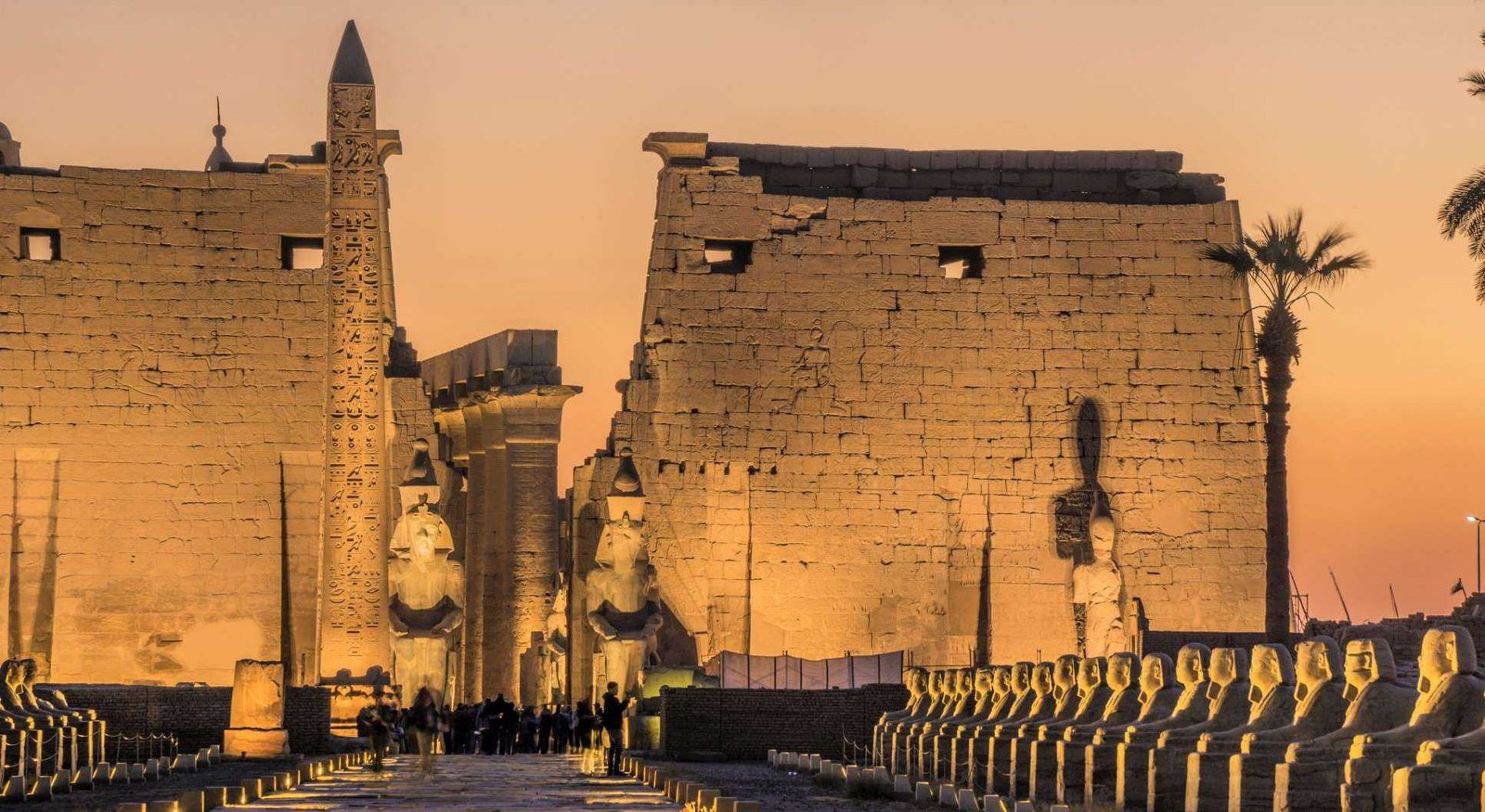
What Is in Luxor, Egipt ? -Luxor, situated on the east bank of the Nile in southern Egypt, is often described as the world’s largest open-air museum. Unlike Cairo, which is bustling and modern, Luxor is a city where history is woven into everyday life. Walking through its streets feels like traveling back thousands of years, with temples, tombs, and statues narrating stories of pharaohs and gods.
This guide is designed for first-time visitors, history enthusiasts, and curious travelers who want to understand Luxor, its significance, and why it remains one of the most important cultural destinations in the world.
What Luxor Is: A City of History and Culture
Ancient Roots of Luxor
Luxor was originally known as Teba, the religious capital of Ancient Egypt during the New Kingdom (1550–1070 BCE). It was a center for political power, religious activity, and art. Temples and monuments were built along the Nile, many of which remain astonishingly well-preserved astăzi.
The city’s name, “Luxor,” comes from the Arabic word Al-Uqsur, meaning “the palaces.” This name reflects the grand temples and royal monuments scattered across the city, a testament to its historical importance.
Modern Luxor
Today, Luxor is a lively city of approximately 500,000 residents. It serves as a gateway to ancient Egyptian history, with modern hotels, restaurants, and markets coexisting alongside millennia-old monuments. The city is split into two main areas:
- East Bank: The modern city center, home to Luxor Temple, markets, hotels, and restaurants.
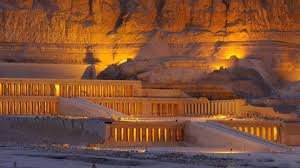
- West Bank: The site of ancient necropolises including the Valea Regilor, Valea Queens, and monumental temples.
Why Luxor Matters Globally
Luxor is more than a tourist destination; it is a living archive of human civilization. Archaeologists continue to make significant discoveries, including tombs, statues, and artifacts that deepen our understanding of ancient Egyptian life.
The city is recognized for:
- UNESCO World Heritage Sites: Many of Luxor’s temples and necropolises are protected as part of the Theban Necropolis.
- Cultural Significance: Luxor preserves the rituals, art, and architecture of Ancient Egypt.
- Tourism: It is one of the most visited cities in Egypt, attracting travelers seeking authentic history, archaeology, and cultural experiences.
Luxor vs Cairo: Understanding the Difference
| Caracteristică | Cairo | Luxor |
|---|---|---|
| Atmosphere | Busy metropolis | Serene historic city |
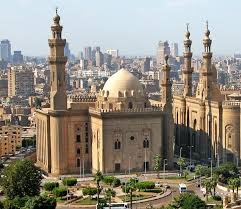
| Landmarks | Pyramids of Giza, Egyptian Museum | Luxor Temple, Karnak Temple, Valley of the Kings |
| Traffic | High | Moderat |
| Modern Life | Vibrant | Low, traditional lifestyle |
| Cultural Experience | Blend of modern & historical | Primarily historical & archaeological |
While Cairo impresses with scale and urban life, Luxor captivates with ancient monuments and a slower pace, making it ideal for history lovers and cultural travelers.
Key Attractions in Luxor
Complexul De Temple Karnak
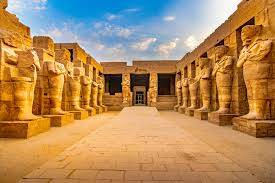
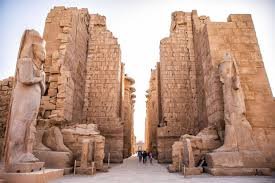
Karnak Temple is the largest temple complex in Egypt, spanning over 100 hectares. Dedicated primarily to Amun-Ra, it features:
- Hypostyle Hall: 134 massive columns decorated with hieroglyphs.
- Obelisks and Statues: Honoring pharaohs like Ramses II and Hatshepsut.
- Sacred Lake: A site for ritual purification and ceremonies.
Visitors can easily spend half a day exploring Karnak, walking through avenues lined with statues and learning about Egyptian religious rituals.

Templul Din Luxor
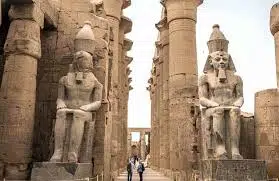
Located in the city center, Luxor Temple was primarily used for the Festivalul Opet, celebrating the rejuvenation of kingship. Highlights include:
- Colonnades: Rows of massive columns adorned with carvings of pharaohs.
- Courtyards: Spaces once used for ceremonies and public gatherings.
- Statues: Including those of Ramses II and the god Amun.
Unlike Karnak, Luxor Temple is more compact but equally rich in historical significance.
Valea Regilor
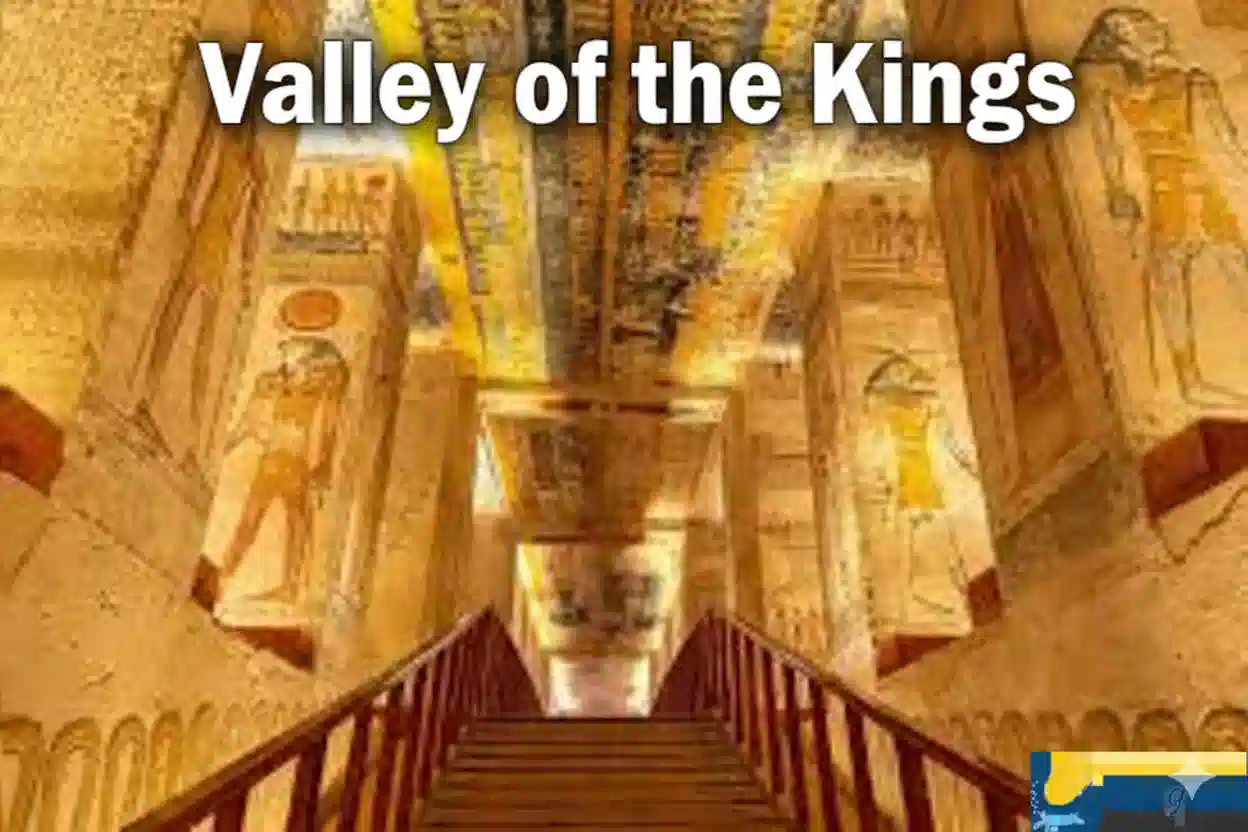
This necropolis on the West Bank houses tombs of famous pharaohs such as Tutankhamon. Visitors can explore:
- Elaborate tombs adorned with colorful murals depicting the journey to the afterlife.
- Hidden chambers with treasures, hieroglyphics, and artifacts.
The valley is a must-visit for anyone interested in pharaonic burial practices and Egyptian mythology.
Valea Queens
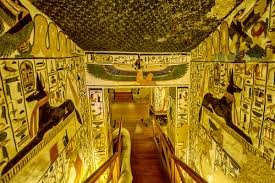
Where queens and royal children were buried. The tomb of Queen Nefertari is a masterpiece of Egyptian art, featuring vivid colors and well-preserved hieroglyphs.
Colosii lui Memnon
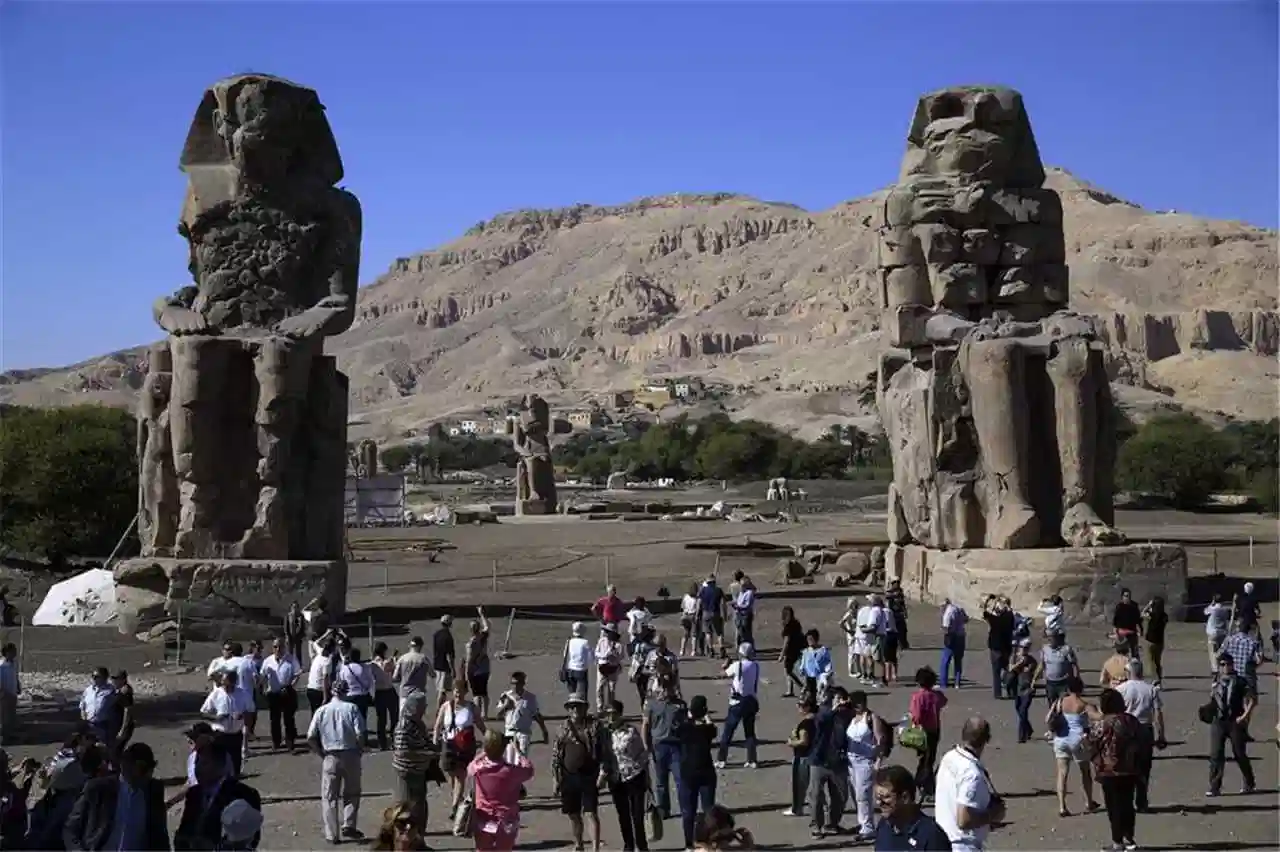
Two massive stone statues that once guarded the mortuary temple of Amenhotep III. Visitors can admire their monumental scale and historical significance.
Luxor Museum
A modern museum showcasing artifacts from Luxor’s temples and tombs. Highlights include:
- Mummies and Sarcophagi
- Jewelry and daily life objects
- Sculptures and statues
The museum provides context for the sites outside and is ideal for first-time visitors wanting an overview.
Experiences Unique to Luxor
East Bank vs West Bank
- East Bank: Modern city life, Luxor Temple, hotels, cafes, and Nile-side walks.
- West Bank: Ancient tombs, temples, and monuments in a serene desert landscape.
Nile Cruises
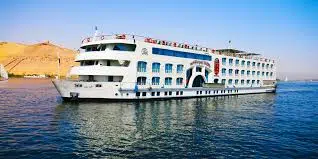
A Nile cruise between Luxor and Aswan offers stunning views of temples, villages, and landscapes. Travelers can choose luxury cruises sau budget options, enjoying sunsets over the Nile.
Hot Air Balloon Rides
O sunrise balloon ride over Luxor provides panoramic views of the Nile, temples, and West Bank tombs. This experience is highly recommended for photographers and adventure travelers.
Local Markets and Culture
- Souks selling spices, textiles, and souvenirs
- Traditional cafés offering local Egyptian food
- Festivals celebrating ancient and modern Egyptian culture

Who Should Visit Luxor
- History Buffs: For an immersive experience in ancient Egyptian culture.
- Familii: Educational and visually captivating attractions for all ages.
- Culture Seekers: Authentic exposure to Egyptian life, markets, and traditions.
- Luxury & Adventure Tourists: From Nile cruises to hot air ballooning and desert excursions.
Planning Your Visit
Cel mai bun Timp pentru a Vizita
- October to April: Pleasant temperatures, ideal for sightseeing.
- Summer (May–September): Very hot, but fewer crowds.
How Long to Stay
- 2–4 days are sufficient for a first-time visitor to explore major sites.
- Longer stays allow for Nile cruises, West Bank exploration, and deeper cultural immersion.
Getting There
- By Air: Luxor International Airport connects to Cairo, Hurghada, and international destinations.
- By Train: Comfortable sleeper trains from Cairo to Luxor.
- By Nile Cruise: A scenic alternative from Aswan or Cairo.
Getting to Luxor from Other Cities in Egypt – Transportation & Tours
Luxor is well-connected to many major cities in Egypt, making it easy for travelers to plan their visit whether they are coming from Cairo, Aswan, Hurghada, or other destinations. There are multiple transportation options to suit different budgets, schedules, and travel preferences.
1. From Cairo to Luxor
Cairo, being the capital and Egypt’s largest city, is the most common starting point for trips to Luxor.
– Cairo to Luxor By Plane
- Flight Duration: Approximately 1 hour and 15 minutes.
- Airlines: EgyptAir offers multiple daily flights between Cairo and Luxor.
- Advantages: Fastest and most convenient option, ideal for travelers with limited time.
- Tips: Book in advance during peak tourist season (October to April) to secure lower fares.
– Cairo to Luxor By Train
- Traseu: Cairo – Luxor via Egyptian National Railways.
- Durata: 9–12 hours depending on train type.
- Options:
- Day Train: Standard seating, more affordable.
- Sleeper Train: Overnight journey with private cabins, comfortable for long-distance travelers.
- Repere: Scenic views of the Nile valley and rural Egypt.
- Tips: Sleeper trains are highly recommended for comfort and a unique experience.
-Nile Cruise
- Option: Luxor can also be reached as part of a Cairo to Luxor Nile Cruise, usually combined with Aswan.
- Durata: Typically 3–4 days with stops at temples and monuments along the way.
- Advantages: Combines travel and sightseeing; perfect for cultural enthusiasts.
- Tips: Choose cruises with English-speaking guides for an in-depth historical experience.
2. From Aswan to Luxor
Aswan, located south of Luxor along the Nile, is a popular route for southbound or Nile cruise travelers.
By Train
- Durata: 3–4 hours.
- Advantages: Affordable, convenient, and scenic along the Nile.
By Nile Cruise
- Many travelers enjoy a luxury Nile cruise from Aswan to Luxor, stopping at Kom Ombo, Edfu, and other historic sites.
- Durata: Usually 3–5 days.
- Experiență: Sunsets over the Nile, ancient temples, and riverside villages.
By Private Car/Bus
- Durata: 3–4 hours.
- Advantages: Flexible stops, direct transfer, and personalized travel schedule.
- Tips: Hiring a licensed driver ensures safety and local expertise.
3. From Hurghada to Luxor
For travelers on Egypt’s Red Sea coast, Hurghada offers easy access to Luxor for day trips or multi-day excursions.
By Private Car or Tour Bus
- Durata: Approximately 4–5 hours.
- Repere: Cross the Eastern Desert, with views of mountains and desert landscapes.
- Tours: Many Hurghada travel agencies offer guided day trips to Luxor, including transportation, entry fees, and guided visits to the main sites.
By Flight
- Direct flights are less common, but chartered flights may be available in peak season.
4. From Other Major Cities (Alexandria, Sharm El-Sheikh, etc.)
Alexandria to Luxor
- By Plane: Flights via Cairo to Luxor.
- By Train/Bus: Alexandria – Cairo (2–3 hours) then Cairo – Luxor (train/flight).
Sharm El-Sheikh to Luxor
- By Plane: Direct flights from Sharm El-Sheikh to Luxor (approximately 1 hour).
- By Road: Travel via Hurghada, then onward to Luxor by private car or bus.
Types of Tours to Luxor
Visitors can choose from a variety of tour types depending on interests and time availability:
- Day Trips from Hurghada
- Explore Luxor’s highlights in one day.
- Usually includes Karnak Temple, Luxor Temple, and sometimes the Valley of the Kings.
- Multi-Day Luxor & Nile Tours
- 2–4 day tours covering East and West Bank attractions.
- Often combined with Nile cruises to Aswan or Cairo.
- Private Custom Tours
- Tailored itineraries based on interests (history, photography, archaeology).
- Includes private guides, transportation, and optional luxury experiences.
- Adventure and Cultural Tours
- Hot air balloon rides over Luxor.
- Local market visits and traditional Egyptian experiences.
- Desert excursions to West Bank tombs and temples.
Tips for Traveling to Luxor
- Plan Ahead: Popular travel seasons are October–April. Book transportation and tours in advance.
- Combine Travel and Sightseeing: Consider a Nile cruise to enjoy a scenic route while visiting multiple sites.
- Choose Licensed Operators: For safety and reliability, always use certified tour operators.
- Calendarul: Early morning departures are ideal to avoid midday heat, especially for desert excursions
Frequently Asked Questions – Luxor Egypt
1. What is in Luxor, Egypt?
Luxor is a treasure trove of ancient Egyptian history and culture. The city is divided by the Nile River into East Bank și West Bank, each offering unique experiences:
- East Bank: Includes iconic monuments such as Templul Din Luxor, Templul Karnak, and the bustling Luxor Museum. It is also home to the city center with hotels, restaurants, and markets.
- West Bank: Known for the Valea Regilor, Valea Queens, Templul Lui Hatshepsutși Colosii lui Memnon. This side preserves ancient tombs and temples in a serene desert setting.
- Nile Cruises: Many visitors enjoy sailing the Nile to see the city from the water.
- Cultural Experiences: Luxor offers local markets, traditional Egyptian cuisine, and cultural festivals.
2. What is there to do in Luxor, Egypt?
Visitors to Luxor can enjoy a variety of activities, ranging from historical exploration to modern leisure:
- Explore Temples and Tombs: Karnak Temple, Luxor Temple, and the Valley of the Kings are must-see destinations.
- Hot Air Balloon Rides: Watch the sunrise over the Nile and ancient monuments for an unforgettable view.
- Nile Cruises: Day cruises or multi-day trips to Aswan provide a relaxing way to experience the river and temples.
- Museum Visits: The Luxor Museum and Mummification Museum showcase Egyptian artifacts and explain ancient burial practices.
- Local Markets & Food Tours: Enjoy traditional Egyptian food and buy local crafts.
- Desert Excursions: Jeep tours, camel rides, and desert exploration on the West Bank.
3. What is the temperature in Luxor, Egypt?
- Luxor has a hot desert climate (BWh in the Köppen classification).
- Summer (May–September): Temperatures often reach 40–45°C (104–113°F).
- Winter (December–February): Mild and pleasant, around 20–25°C (68–77°F).
- Spring & Autumn: Ideal for sightseeing, temperatures range from 25–35°C (77–95°F).
4. What is the current temperature in Luxor, Egypt?
The temperature in Luxor fluctuates depending on the season and time of day.
- Daytime: Often ranges from 25–40°C (77–104°F).
- Nighttime: Can drop significantly in winter, around 10–15°C (50–59°F).
- Travelers are advised to check live weather updates before planning outdoor activities.
5. What is the weather in Luxor, Egypt?
- Luxor is mostly sunny year-round with very little rainfall.
- Annual rainfall is less than 20 mm, mostly occurring in winter.
- Humidity is low, making the heat more bearable.
- The weather is perfect for outdoor tours, Nile cruises, and temple exploration, especially between October and April.
6. What time is it in Luxor, Egypt?
- Luxor follows Eastern European Time (EET, UTC+2).
- During daylight saving time, the city shifts to UTC+3.
- Travelers from abroad should account for time differences when planning flights or tours.
7. What is Luxor in Egypt?
Luxor is a historic city on the east bank of the Nile River in Upper Egypt. It is considered the world’s largest open-air museum due to its concentration of temples, tombs, and monuments from the Ancient Egyptian civilization.
8. What is there to see in Luxor, Egypt?
Luxor Museum: Houses artifacts and statues from Luxor and nearby sites
Templul Karnak: One of the largest religious complexes ever built.
Templul Din Luxor: Known for its beautiful colonnades and evening light shows.
Valea Regilor: Tombs of pharaohs, including Tutankhamun.
Valley of the Queens: Burial place of queens and royal children.
Hatshepsut Temple: Architectural marvel dedicated to the female pharaoh.
Colosii lui Memnon: Two massive statues guarding the Theban necropolis.
Additional FAQs – Luxor Egypt
1. What is Luxor famous for?
Luxor is famous worldwide for its rich ancient history and archaeological treasures. Key highlights include:
- Ancient Temples and Monuments: Luxor Temple, Karnak Temple, Hatshepsut Temple, and Colossi of Memnon.
- The Valley of the Kings and Queens: Tombs of pharaohs and royal family members, including Tutankhamun.
- Patrimoniu Cultural: Luxor is often called the world’s greatest open-air museum because almost every corner of the city holds remnants of Ancient Egypt.
- Nile River Views: The city offers stunning vistas of the Nile, making it a scenic destination for cruises and photography.
- Festivals and Events: Traditional celebrations and local cultural experiences give visitors a taste of Egyptian heritage.
2. Is there much to do in Luxor?
Yes, Luxor has plenty of activities for all types of travelers:
- Sightseeing: Explore temples, tombs, and monuments on both the East and West Banks.
- Hot Air Balloon Rides: Sunrise flights over the Nile and desert for spectacular panoramic views.
- Nile Cruises: Day trips or multi-day cruises to Aswan for a relaxing experience.
- Museums & Exhibits: Luxor Museum and Mummification Museum for deep insights into Egyptian history.
- Aventuri Desert: Jeep safaris, camel rides, and exploring the West Bank desert landscapes.
- Markets & Souvenirs: Local bazaars offer spices, papyrus, jewelry, and traditional crafts.
- Dining Experiences: Taste authentic Egyptian cuisine in local restaurants and hotels.
Luxor is perfect for history enthusiasts, photographers, adventure seekers, and families looking to experience Egypt’s past and present.
3. Are there Nile crocodiles in Luxor?
- Nile crocodiles are extremely rare in the Luxor section of the Nile today.
- Crocodiles historically lived throughout the Nile, but due to habitat changes, the upper Nile in Luxor rarely hosts them.
- Visitors can enjoy swimming, sailing, and Nile cruises without worrying about crocodiles.
- For safety, it’s still recommended to follow local guidance when near the riverbanks.
4. What to buy in Luxor, Egypt?
Luxor offers a wide range of authentic souvenirs and local products that reflect Egypt’s rich culture:
- Papyrus Art: Hand-painted papyrus sheets depicting ancient Egyptian scenes.
- Spices & Herbs: Traditional Egyptian spices such as cumin, cinnamon, and saffron.
- Perfume Oils: Locally made essential oils and perfumes.
- Jewelry & Amulets: Gold and silver pieces, often with hieroglyphic designs.
- Textiles & Scarves: Colorful fabrics, handmade scarves, and traditional garments.
- Statues & Replicas: Small statues of pharaohs, gods, and ancient symbols.
- Handcrafted Souvenirs: Wooden carvings, leather goods, and pottery.
When shopping, it’s common to bargain politely in markets, and most vendors welcome friendly negotiation
Q: What is Luxor, Egypt?
A: Luxor is a historic city on the Nile, famous for temples, tombs, and monuments from Ancient Egypt.
Q: Where is Luxor located?
A: Approximately 670 km south of Cairo, along the east bank of the Nile.
Q: How old is Luxor?
A: Luxor has been inhabited for over 4,000 years.
Q: Is Luxor the same as Thebes?
A: Yes, Thebes is the ancient name of modern Luxor.
Q: What makes Luxor unique?
A: Its open-air monuments, East-West bank division, ongoing discoveries, and rich cultural heritage.
Conclusion – A Timeless Destination
Luxor is more than just a city; it is a living testament to the grandeur of Ancient Egypt. From the colossal temples of Karnak and Luxor Temple to the royal tombs in the West Bank, every stone tells a story. Whether you are a history enthusiast, a family traveler, or simply someone looking to experience the magic of the Nile and pharaonic civilization, Luxor provides an unforgettable journey through time.
By visiting Luxor, you are not only exploring ancient monuments—you are walking alongside history, making memories in one of the world’s most significant archaeological and cultural landscapes


























 English
  German
  French
  Polish
  Russian
  Czech
Czech  Spanish
  Romanian
  Turkish
  Italian
  Hungarian
Comentariu (0)