7 hours
No Cancel
Bez ograniczeń
English, Espanol, Francais, German, italian, Japanese, polish, Romanian, russian
Discover the ancient city of Thebes on a full-day Luxor day tour from Luxor covering both the East and West Banks of the Nile. This carefully planned sightseeing experience brings together the Valley of the Kings, Temple of Hatshepsut, Colossi of Memnon, Karnak Temple and Luxor Temple in one memorable day.
Your private guide and driver will meet you at your hotel, Nile cruise, or agreed pickup point in Luxor. From there, you will explore the monuments that made Luxor one of the world’s most important archaeological destinations.
The day begins on the West Bank of Luxor, where royal tombs were carved into the desert cliffs. Visit the famous Valley of the Kings, discover the impressive Temple of Hatshepsut and stop at the Colossi of Memnon. After a traditional Egyptian lunch, cross back toward the East Bank to explore the vast Karnak Temple complex and the elegant Luxor Temple.
This Luxor East and West Bank tour is ideal for first-time visitors, couples, families, history lovers and travelers staying in Luxor who want to experience the city’s most important ancient sites with a knowledgeable local Egyptologist.
Luxor has an extraordinary concentration of ancient monuments. This itinerary connects the city’s most important archaeological sites without requiring separate tours for the East and West Banks.
You can walk through ancient royal tombs in the morning and stand among enormous temple columns in the afternoon.
The Valley of the Kings is one of Egypt’s most famous archaeological areas. The valley was used as a royal burial ground during the New Kingdom, when Thebes was the capital of ancient Egypt.
Your guide will explain how the tombs were created, why the pharaohs chose this location and how ancient Egyptian beliefs influenced royal burial traditions.
The standard entrance allows access to the tombs included with your ticket. Additional tombs, including the Tomb of Tutankhamun, may require a separate ticket.
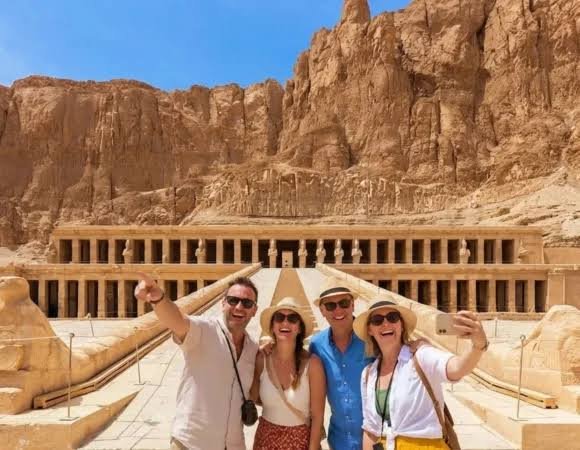
The Temple of Hatshepsut is one of the most distinctive monuments on Luxor’s West Bank. Its terraces rise dramatically against the limestone cliffs of Deir el-Bahari.
Your Egyptologist will introduce you to Queen Hatshepsut, one of ancient Egypt’s most remarkable female rulers, and explain the religious and political importance of her temple.
The Karnak Temple Complex is one of the largest religious complexes ever built. Generations of Egyptian rulers expanded the site over many centuries.
The Great Hypostyle Hall is one of its most impressive features, with enormous columns covered in inscriptions and reliefs.
Walking through Karnak gives you a real sense of the scale and ambition of ancient Egyptian architecture.
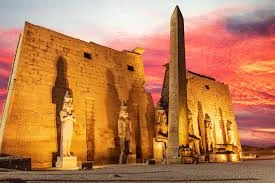
Luxor Temple stands in the heart of modern Luxor and offers a different atmosphere from Karnak. The temple was closely connected with the ancient Opet Festival and the religious traditions of Thebes.
The avenue leading toward Karnak also helps explain how the two major temple complexes were connected in ancient times.
A knowledgeable guide adds much more to the experience than simply visiting monuments. You will hear the stories behind the temples, understand the symbolism of the reliefs and learn how Luxor developed from ancient Thebes into the city you see today.
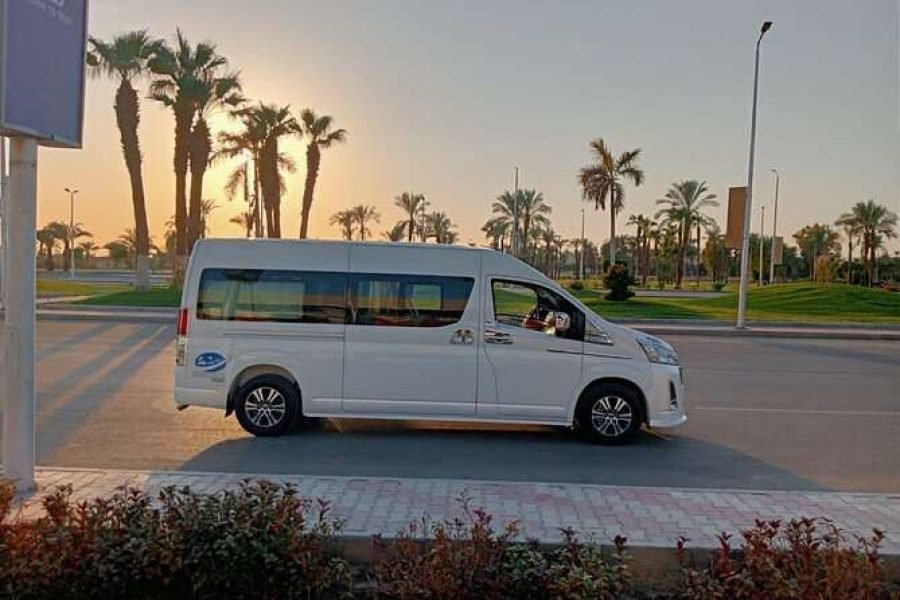
A private vehicle and guide allow the day to run at a comfortable pace. You can spend more time at the sites that interest you most and ask questions throughout the tour.
This makes the experience especially suitable for couples, families and small groups.
Your Luxor sightseeing adventure begins with pickup from your hotel, Nile cruise or agreed meeting point.
Meet your private driver and Egyptologist guide before setting off toward the West Bank of the Nile.
The exact pickup time can be adjusted according to your hotel location, cruise schedule and preferred start time.
Cross the Nile and travel toward the ancient necropolis of Thebes.
As you leave modern Luxor behind, your guide will introduce you to the history of the West Bank and explain why ancient Egyptians chose this area for royal and private tombs.
Begin your West Bank sightseeing at the legendary Valley of the Kings.
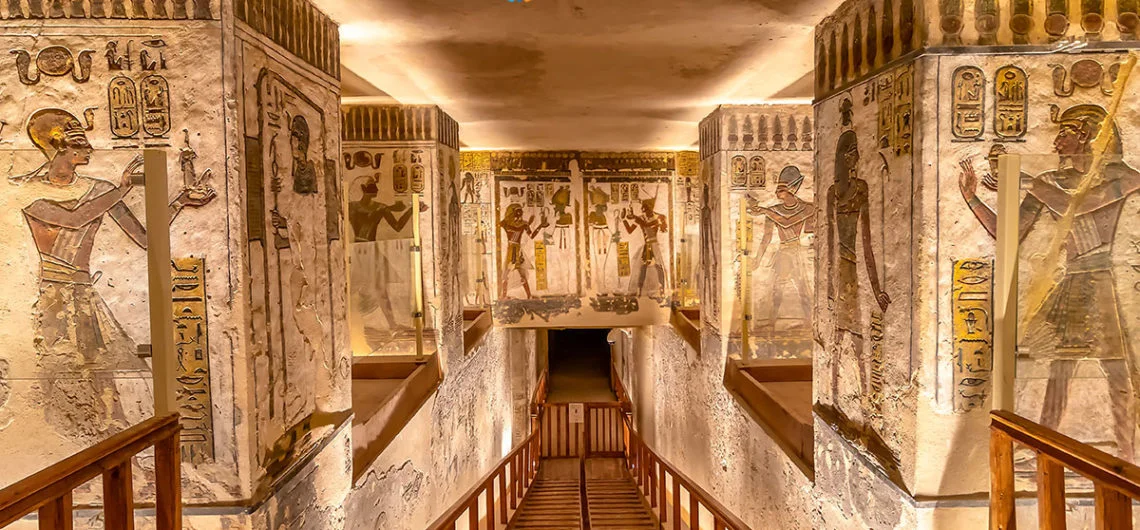
Walk through the desert valley where pharaohs of the New Kingdom were buried in rock-cut tombs. Inside the tombs, you can see colorful wall paintings, hieroglyphic texts and scenes connected with ancient Egyptian beliefs about the afterlife.
Your guide will explain the purpose of the royal necropolis and highlight the stories behind several important rulers.
The standard entrance includes the tombs available under the current ticket policy. Additional famous tombs may require separate admission.
Continue to Deir el-Bahari to visit the magnificent Temple of Hatshepsut.
The temple is built into the natural cliffs and rises through a series of terraces connected by ramps.
Learn about Queen Hatshepsut's reign, her major building projects and the famous reliefs that record the expedition to Punt.
You will also have time to admire the architecture and take photographs from the temple terraces.
Make a short stop at the Colossi of Memnon, two enormous seated statues representing Pharaoh Amenhotep III.
The statues once stood at the entrance to a vast mortuary temple. Although much of the original complex has disappeared, the surviving colossi remain one of the most recognizable landmarks on Luxor's West Bank.
Take a relaxing break at a local restaurant.
Enjoy a selection of Egyptian dishes and recharge before continuing to the East Bank.
Vegetarian and other dietary requirements can be requested in advance.
Cross the Nile again and continue toward the East Bank of Luxor.
Your guide can explain how the two sides of ancient Thebes served different religious and funerary purposes.
Explore the enormous Karnak Temple Complex, one of the most important religious sites in ancient Egypt.
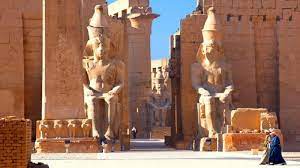
Walk through monumental gateways, courtyards and temple halls built and expanded by generations of pharaohs.
One of the major highlights is the Great Hypostyle Hall, where huge columns create an unforgettable architectural landscape.
Your guide will explain the significance of Amun-Ra and the role Karnak played in the religious life of ancient Thebes.
Continue to Luxor Temple, located close to the modern city center.
Discover the temple's monumental entrance, courtyards, columns and ancient inscriptions.
Learn how Luxor Temple was associated with the annual Opet Festival and the religious connection between Luxor Temple and Karnak.
After completing your East and West Bank sightseeing, relax in the air-conditioned vehicle.
Your guide can answer final questions about Luxor, ancient Egyptian history or other attractions you may want to visit during your stay.
Return to your hotel or Nile cruise in Luxor after a full day of exploring ancient Thebes.
The itinerary is approximate. Actual times may change according to traffic, archaeological site opening times, weather, local conditions and your pickup location.
Pickup can be arranged from hotels and selected Nile cruise boats in Luxor. Please provide your accommodation or cruise name when booking.
The tour covers both major sightseeing areas of Luxor.
The West Bank focuses mainly on royal tombs and funerary monuments, while the East Bank is home to major religious temples such as Karnak and Luxor Temple.
The entrance ticket covers the tombs included under the current official admission policy. Some famous tombs have separate entrance fees.
If you specifically want to visit the Tomb of Tutankhamun, please request it before or during booking.
Archaeological site opening times can vary by season and official regulations. Your guide will organize the route according to the operating schedule on the day of your visit.
Luxor is generally warm and sunny. Light, comfortable clothing is recommended. Shoulders and knees should be reasonably covered when visiting religious or traditional areas.
Expect a moderate amount of walking on uneven archaeological surfaces, stone paths and temple grounds. Comfortable shoes are strongly recommended.
Summer temperatures in Luxor can be high, particularly around midday. The itinerary is designed to make the most of the cooler morning hours on the West Bank.
During winter, early mornings can feel cooler, so a light jacket can be useful.
Lunch is included at a local restaurant. Please inform us about vegetarian, vegan or other dietary requirements before the tour.
Photography is generally possible in many outdoor areas. Some tombs and museum or archaeological spaces may have specific photography restrictions. Always follow the instructions of site staff.
Families are welcome. Children should remain under the supervision of their parents or accompanying adults throughout the tour.
Some archaeological areas have uneven surfaces, steps and limited accessibility. Travelers with mobility concerns should contact us before booking so we can discuss the most suitable arrangements.
One of the most complete options is an East and West Bank Luxor day tour covering the Valley of the Kings, Hatshepsut Temple, Colossi of Memnon, Karnak Temple and Luxor Temple.
Yes. This is a Luxor day tour from Luxor, with pickup from your hotel or an agreed location in the city.
The itinerary includes the Valley of the Kings, Temple of Hatshepsut, Colossi of Memnon, Karnak Temple and Luxor Temple, along with lunch and transportation.
Yes. Pickup from selected Nile cruise boats in Luxor can be arranged when the cruise details are provided in advance.
The sightseeing program usually takes around 8–9 hours, depending on the pickup location, site conditions and time spent at each attraction.
Yes. The standard experience is arranged with a private vehicle and professional guide, giving you a more flexible sightseeing experience.
Yes. The Valley of the Kings is one of the main highlights of the West Bank itinerary.
The Tomb of Tutankhamun requires a separate ticket under the current admission system. If you want to visit it, ask us to arrange it according to availability.
Yes. The Temple of Hatshepsut at Deir el-Bahari is included in the West Bank sightseeing program.
Yes. Karnak Temple is one of the main East Bank attractions included in the tour.
Yes. The itinerary includes a visit to the historic Luxor Temple after Karnak.
Yes. Lunch at a local Egyptian restaurant is included in the tour.
Drinks at the restaurant are generally not included. You can purchase them directly at the restaurant.
The West Bank is famous for royal tombs and funerary monuments, including the Valley of the Kings and Hatshepsut Temple. The East Bank contains major religious centers, especially Karnak Temple and Luxor Temple.
A typical start time is around 8:00 AM. The exact pickup time can be adjusted according to your hotel, Nile cruise and preferred schedule.
Yes. The private format makes the tour a practical choice for families because the pace can be adapted to the group.
Yes, provided travelers are comfortable with moderate walking. Some archaeological sites include steps and uneven ground, so please advise us of any mobility concerns before booking.
Light, breathable clothing and comfortable walking shoes are recommended. A hat, sunglasses and sunscreen are also useful, especially during warmer months.
Yes, photography is possible in many areas. Some tombs and archaeological locations may have specific photography rules that must be followed.
Combining both banks lets you experience the most important highlights of ancient Thebes in a single day. You can visit the Valley of the Kings and Hatshepsut Temple in the morning, then explore Karnak and Luxor Temple in the afternoon without arranging separate transportation.
The final price can depend on the group size, pickup location and any additional services requested.
Send us your preferred travel date, number of travelers and hotel or Nile cruise details in Luxor.
We will confirm the pickup arrangements, availability and final price before your tour.
For a more personalized experience, you can also tell us which attraction you are most interested in, such as the Valley of the Kings, Karnak Temple or the Tomb of Tutankhamun.

Member Since 2026