1 day
No Cancel
1 person
English, Espanol, Francais, German, italian, Japanese, polish, Romanian, russian
A visit to Abu Simbel is one of those Egypt experiences that stays with you long after you leave. The journey from Aswan takes you deep into the Nubian desert, where two monumental temples suddenly appear beside Lake Nasser. Their enormous rock-cut façades, detailed reliefs and remarkable history make Abu Simbel one of the most impressive ancient sites in Egypt.
This Abu Simbel day trip from Aswan by bus is designed for travelers who want to discover the temples comfortably without arranging transport themselves. Start with hotel pickup in Aswan, travel through the desert in an air-conditioned vehicle and spend time exploring the temples with an experienced Egyptologist guide.
You will visit the Great Temple of Ramses II and the Temple of Queen Nefertari, learn how the monuments were carved into the mountainside and discover the extraordinary international project that moved Abu Simbel to higher ground when the waters of Lake Nasser rose after the construction of the Aswan High Dam.
For travelers searching for an Aswan to Abu Simbel day trip, Abu Simbel tour from Aswan, Abu Simbel by bus, or one of the best things to do in Aswan, this full-day experience offers a practical and rewarding way to visit one of Egypt’s greatest archaeological treasures.
Abu Simbel is far more than a quick photo stop. The scale of the temples and the quality of their carvings give you a real sense of the power of the New Kingdom pharaohs.
The tour includes both major monuments. The Great Temple celebrates Ramses II, while the smaller temple was dedicated to Queen Nefertari and the goddess Hathor.
The road from Aswan to Abu Simbel crosses a long stretch of desert. Traveling in an air-conditioned vehicle makes the journey easier, especially during the warmer months.
Your guide helps bring the monuments to life. Instead of simply walking through the temples, you will understand the stories, symbols, royal figures and religious beliefs represented in the reliefs.
One of the most fascinating parts of Abu Simbel’s modern history is its relocation during the international campaign led by Egypt and UNESCO. The temples were carefully moved to protect them from the rising waters of Lake Nasser.
If your time in Aswan is limited, this tour makes it possible to visit Abu Simbel and return to the city on the same day without arranging separate transportation or tickets.
Your driver and Egyptologist guide will meet you at your hotel in Aswan. The early departure helps you make the most of the day and avoid the strongest midday heat at Abu Simbel.
Settle into the air-conditioned vehicle and begin the journey south through the Nubian desert. The road offers a fascinating change of scenery as the urban landscape of Aswan gradually disappears.
Arrive at the Abu Simbel archaeological site and begin your guided visit.
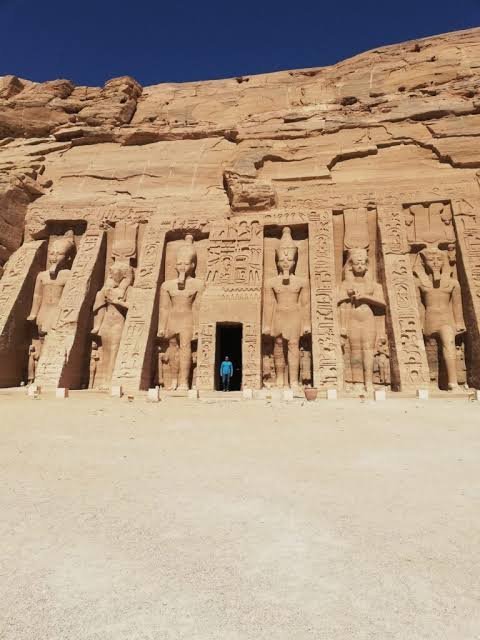
Start with the magnificent Great Temple of Ramses II. Admire the four colossal statues on the façade and enter the temple to discover its decorated halls, chambers and religious scenes.
Your Egyptologist guide will explain the temple's connection with Ramses II, the gods worshipped here and the symbolism behind its architecture.
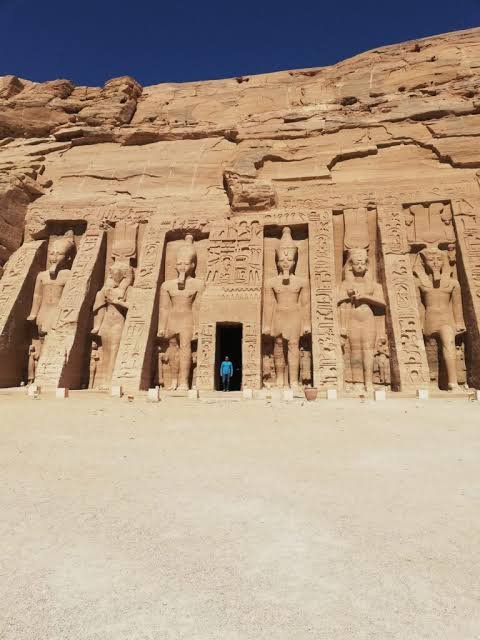
Continue to the smaller but beautifully decorated Temple of Nefertari, dedicated to the queen and the goddess Hathor.
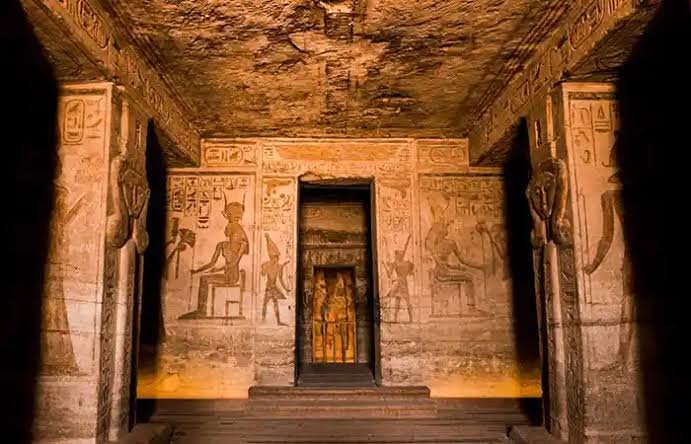
The temple's façade features impressive statues of Ramses II and Nefertari, while the interior contains colorful reliefs and scenes connected with ancient Egyptian religion.
Take photographs around the temple complex and enjoy some free time to appreciate the monumental architecture and surrounding desert landscape.
After exploring Abu Simbel, meet your driver and start the journey back to Aswan.
Return to your hotel in Aswan after your Abu Simbel day trip.
Please note: The itinerary is approximate. Travel times can vary due to road conditions, security procedures, traffic and local regulations.
Abu Simbel is located a considerable distance from Aswan, so the tour starts early. This is normal for day trips to the temples and allows sufficient time for the visit.
The journey takes several hours each way. The long drive is part of the experience, taking you through the vast desert landscape between Aswan and southern Egypt.
The Abu Simbel complex involves walking outdoors and inside the temples. Comfortable shoes are strongly recommended.
Southern Egypt can be very hot, especially in summer. Wear light clothing, use sunscreen and carry drinking water.
Families with children can join the tour. Parents should consider the early departure and long road journey when planning the day.
Photography is generally permitted in many areas, although certain sections may have specific restrictions. Always follow the instructions of your guide and site staff.
The exact timing may change because of road conditions, security requirements, local regulations or operational circumstances.
Abu Simbel is located roughly 280 km southwest of Aswan by road. The journey takes several hours each way.
The complete experience usually takes most of the day, including transportation between Aswan and Abu Simbel and time at the temples.
Yes. A day trip from Aswan is one of the most popular ways to visit Abu Simbel when you do not plan to stay overnight.
You will visit the Great Temple of Ramses II and the Temple of Queen Nefertari.
Yes. The entrance tickets to the Abu Simbel temples are included in the tour price.
Yes. An Egyptologist guide accompanies the tour and explains the history and significance of the temples.
Yes. Pickup and return transportation from hotels in Aswan are included.
Transportation is provided in an air-conditioned vehicle suitable for the journey from Aswan to Abu Simbel.
Yes. Children can enjoy the temples, although parents should consider the early departure and long road journey.
There is some walking around the archaeological site and inside the temples. Comfortable footwear is recommended.
Photography is possible in permitted areas. Your guide will advise you about any restrictions inside the temples.
They are famous for their enormous rock-cut façades, their connection with Ramses II and Nefertari, their detailed ancient Egyptian decoration and their remarkable relocation during the UNESCO-led rescue campaign.
The temples were commissioned by Pharaoh Ramses II during Egypt's New Kingdom period. The smaller temple was dedicated to Queen Nefertari and the goddess Hathor.
The temples were relocated to protect them from the rising waters of Lake Nasser following the construction of the Aswan High Dam.
Food is not included unless specifically stated in your booking. You may bring snacks for the journey or arrange meals separately.
Yes. Mineral water is provided during the journey.
No. Tipping is not included and is left to your discretion.
Light, comfortable clothing and comfortable walking shoes are recommended. A hat, sunglasses and sunscreen are especially useful in the desert climate.
Yes. Private arrangements can be requested depending on availability and your preferred travel date.
The tour can generally be arranged daily, subject to availability, local operating conditions and travel regulations.

Member Since 2023