

✨ Introduction: Why Pharaohs Still Fascinate Us
Facts About Pharaohs of Ancient Egypt -There’s something undeniably magnetic about Ancient Egypt. Maybe it’s the towering pyramids rising from the desert, or the mysterious hieroglyphs carved into stone. But at the center of it all stands one powerful figure: the pharaoh.
Pharaohs were not just rulers. They were symbols of divine authority, architects of greatness, and guardians of a civilization that lasted over 3,000 years. Their lives blended politics, religion, myth, and human ambition in a way that still captures our imagination today.
In this in-depth guide, we’ll go far beyond the basics. You’ll discover fascinating, surprising, and even strange facts about the pharaohs—from their divine status and daily lives to their secrets, fears, and legacy that continues to shape the world.
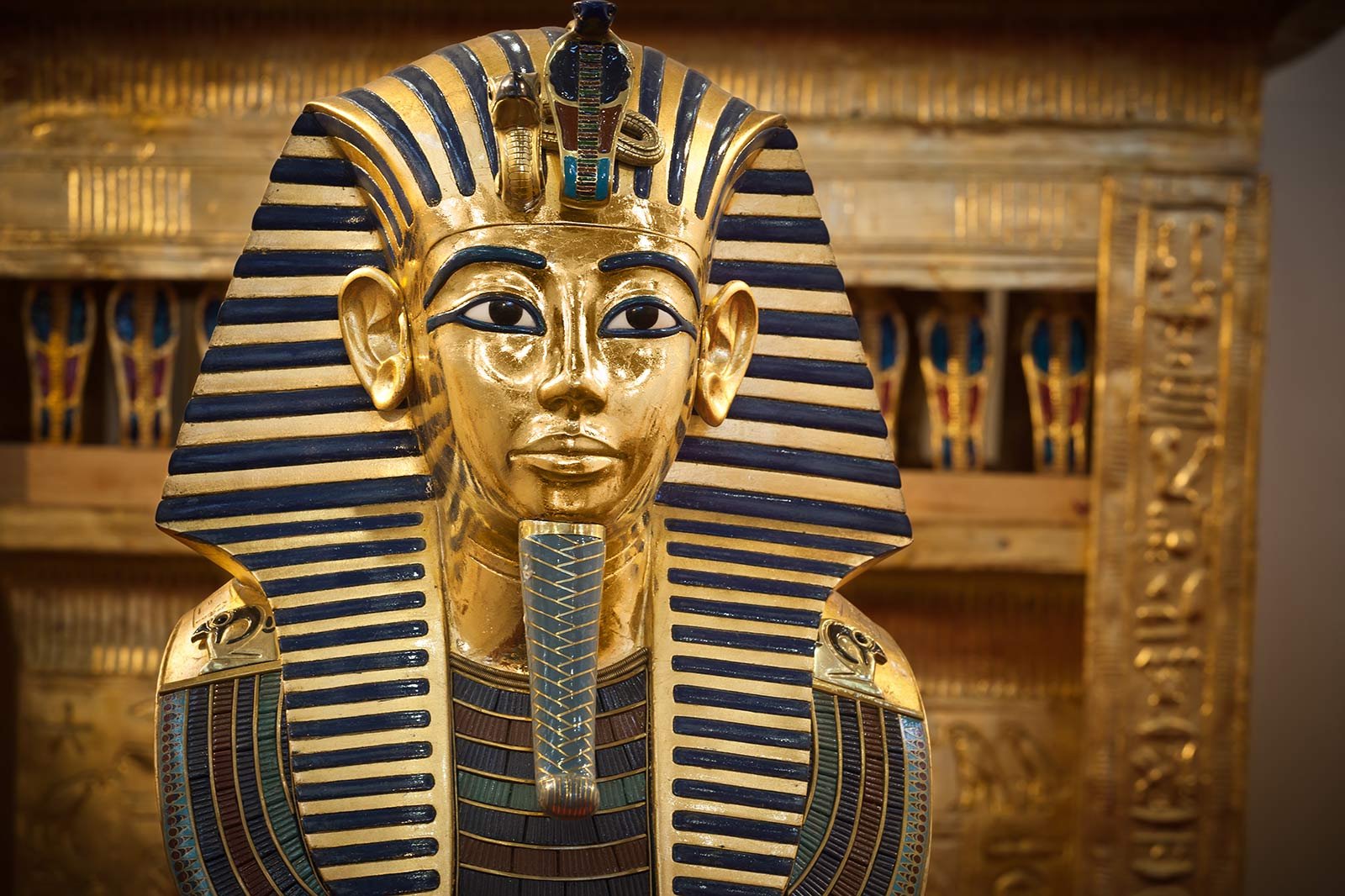
👑 Who Were the Pharaohs?
The word “pharaoh” originally meant “great house,” referring to the royal palace. Over time, it became the title used for the ruler of Egypt.
But unlike kings in other civilizations, pharaohs were believed to be:
- Living gods on Earth
- The human form of Horus
- The son of the sun god Ra
- The protector of Ma’at (cosmic order and balance)
This unique combination of political and divine power made the pharaoh the most important figure in Egyptian society.
People didn’t just obey the pharaoh—they believed their survival depended on him.
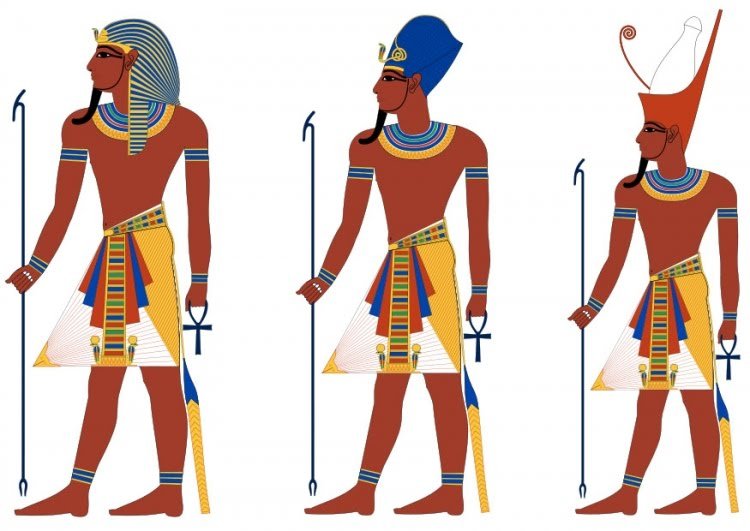
🏛 The Birth of Pharaohs: Where It All Began
The story of the pharaohs begins around 3100 BCE, when Egypt was unified into one kingdom.
The ruler credited with this achievement is:
- Narmer
Before this moment, Egypt was divided into Upper and Lower regions, each with its own rulers and traditions. Narmer’s unification created a powerful centralized state—and with it, the concept of the pharaoh as both king and god.
This moment marked the beginning of one of the longest-lasting civilizations in history.
⚖️ The Power of Pharaohs: Absolute Authority
Pharaohs ruled with absolute power—but their role was more complex than simply “being in charge.”
They were responsible for maintaining Ma’at, a concept that represented:
- Balance
- Truth
- Justice
- Harmony
If Ma’at was disrupted, Egyptians believed chaos would follow:
- Floods might fail
- Crops could die
- Society could collapse
This meant the pharaoh’s role wasn’t just political—it was cosmic.
What Did Pharaohs Control?
- Government and laws
- Military campaigns
- Religion and temples
- Agriculture and economy
- Large-scale construction projects
In simple terms: everything.
🏗 Builders of Eternity: Pharaohs and Monumental Architecture
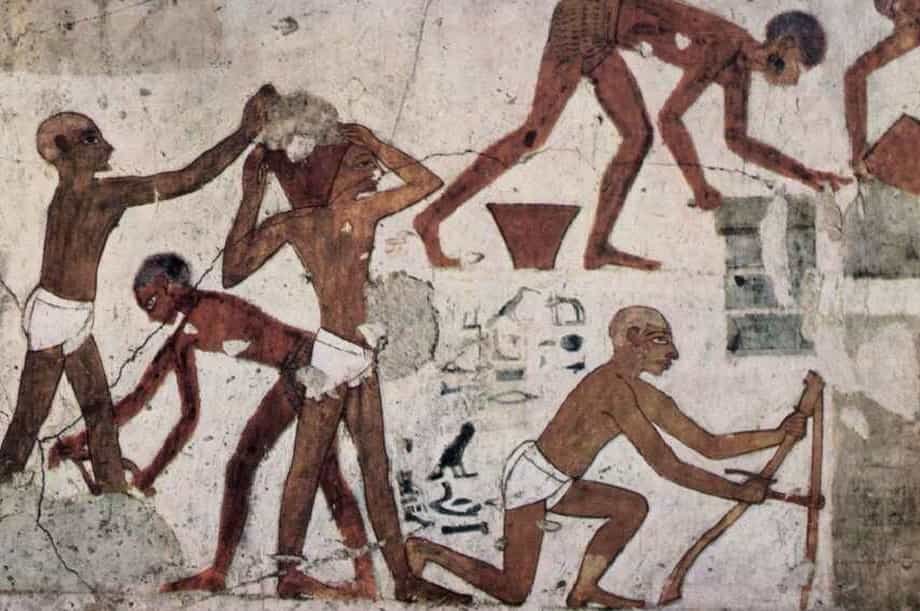
One of the most visible legacies of the pharaohs is their architecture.
These weren’t just buildings—they were statements of power and eternity.
🔺 The Pyramids
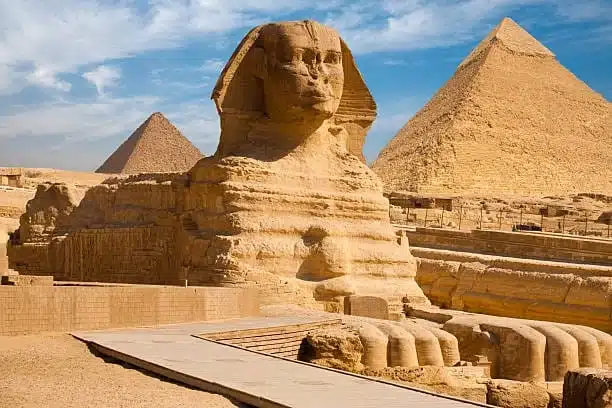
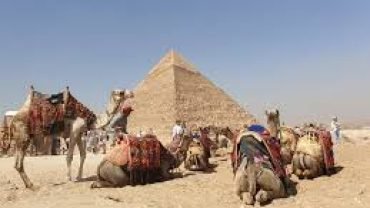
The pyramids, especially those at Giza, are among the most iconic structures in human history. They were built as tombs, designed to protect the pharaoh’s body and ensure a successful journey to the afterlife.
But beyond that, they symbolized:
- Divine power
- Technological mastery
- Eternal life
🏛 Temples and Monuments
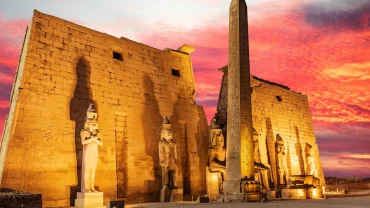
Pharaohs also commissioned massive temples such as:
- Karnak Temple
- Luxor Temple

These were not just places of worship—they were political centers and symbols of divine connection.
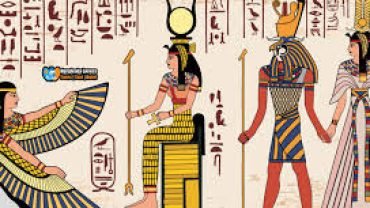
🎭 The Illusion of Perfection: How Pharaohs Were Depicted
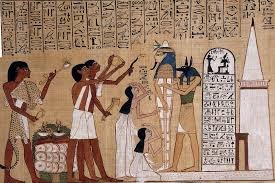
Ancient Egyptian art followed strict rules—and one of the most interesting is how pharaohs were portrayed.
No matter their real age or health, pharaohs were always shown as:
- Young
- Strong
- Perfect
Even if a ruler was elderly or ill, you would never know it from their statues or paintings.
Why? Because they represented divine perfection. Showing weakness would undermine their authority.
💄 Beauty, Health, and Power: Pharaohs and Cosmetics
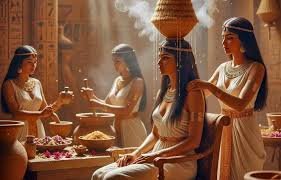
One of the most surprising facts is that pharaohs—men included—regularly wore makeup.
But this wasn’t about fashion alone.
Why Did They Use Cosmetics?
- Protection from the harsh sun
- Reduction of glare from desert light
- Prevention of eye infections
- Spiritual protection
They used:
- Kohl (black eyeliner)
- Malachite (green eye pigment)
This combination of beauty and practicality shows how advanced and thoughtful their daily practices were.
📚 Education of a Pharaoh: Trained to Rule
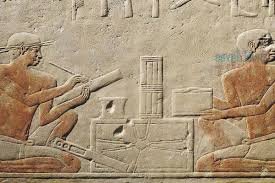
Pharaohs didn’t just inherit power—they were trained for it from childhood.
Their education was extensive and included:
✍️ Writing and Language
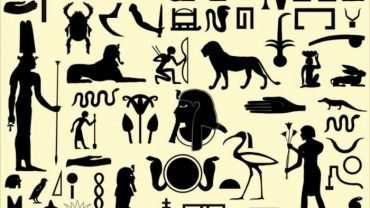
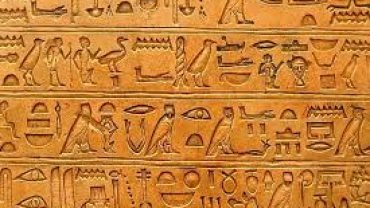
They learned hieroglyphics and administrative writing systems.
📐 Mathematics
Used for taxation, architecture, and economic planning.
🌌 Astronomy
Helped create calendars and align temples with celestial bodies.
⚔️ Military Training
Prepared them to lead armies and defend the kingdom.
🧠 Religion and Rituals
Essential for maintaining Ma’at and communicating with the gods.
This education made pharaohs some of the most well-rounded leaders of the ancient world.
👑 Famous Pharaohs and Their Stories
🧒 Tutankhamun
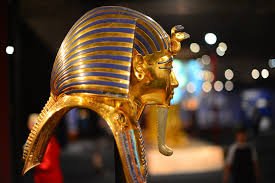
Tutankhamun
Known as the “Boy King,” he became pharaoh at just 9 years old. While his reign was short, his tomb—discovered almost intact—revealed incredible treasures and made him world-famous.
☀️ Akhenaten
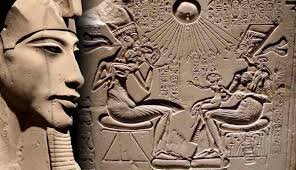
He attempted a radical shift in religion by promoting the worship of a single god, Aten. This was a revolutionary idea that shocked Egyptian society.
👸 Hatshepsut
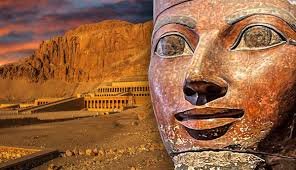
One of the most successful rulers, she ruled for over 20 years and brought prosperity to Egypt. To strengthen her authority, she even adopted male royal imagery.
🐍 Cleopatra VII
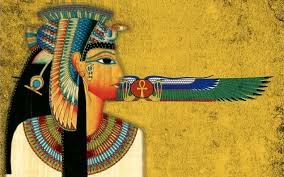
The final pharaoh of Egypt, known for her intelligence, political skill, and alliances with powerful Roman leaders. Her death marked the end of the pharaonic era.
🏺 Death Was Just the Beginning: Beliefs About the Afterlife
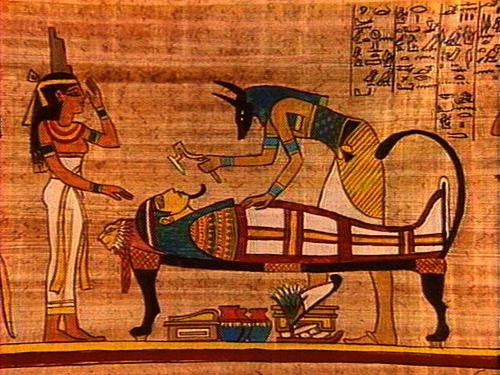
For pharaohs, death was not the end—it was a transition.
They believed in:
- Eternal life after death
- The journey of the soul (Ka and Ba)
- Judgment in the afterlife
Because of this, they spent much of their lives preparing for death.
🧟 The Art of Mummification
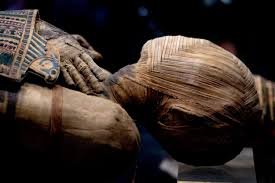
Mummification was a sacred and highly complex process that lasted about 70 days.
Key Steps:
- Removal of internal organs
- Drying the body with natron salt
- Wrapping in linen
- Placement in decorated coffins
This process ensured the body remained intact so the soul could recognize it.
🔐 Secrets Hidden Inside Tombs
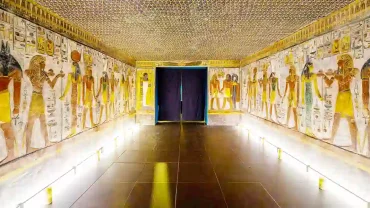
Pharaohs’ tombs were filled with:
- Gold and jewelry
- Furniture
- Food and supplies
- Statues and religious texts
To protect these treasures, builders created:
- Hidden chambers
- False passages
- Massive stone barriers
Despite this, many tombs were eventually looted.
😲 Strange and Surprising Facts
- Some believed a pharaoh’s saliva had healing powers
- Royal families often married within their bloodline
- Servants were sometimes buried with rulers (early periods)
- Fake beards were worn—even by women
These unusual practices highlight how different ancient beliefs were from modern ones.
🏜 Women Who Ruled Like Kings
Although Egypt was largely male-dominated, some women rose to power.
What Made Them Unique?
- They ruled with full authority
- They led building projects
- They influenced religion and politics
Their success proves that power in ancient Egypt wasn’t strictly limited to men.
🌍 The Legacy of the Pharaohs
The influence of the pharaohs didn’t end with their deaths.
Today, their legacy can be seen in:
- Architecture and engineering
- Art and design
- Movies and documentaries
- Tourism in Egypt
Millions of visitors travel each year to explore:
- The pyramids
- Luxor temples
- Valley of the Kings
✨ Why We Still Care About Pharaohs Today
Pharaohs represent something timeless:
- The pursuit of immortality
- The connection between humans and gods
- The ambition to build something eternal
They were powerful, mysterious, and deeply human at the same time.
faqs-
1. Who was the first pharaoh of ancient Egypt?
The first pharaoh is believed to be Narmer, who unified Upper and Lower Egypt around 3100 BCE.
2. Why were pharaohs considered gods?
Pharaohs were believed to be the living embodiment of Horus and the son of the sun god Ra.
3. How long did pharaohs rule Egypt?
Pharaohs ruled Egypt for more than 3,000 years until the death of Cleopatra VII.
4. What was the purpose of pyramids?
Pyramids were built as tombs to protect the pharaoh’s body and ensure a successful journey to the afterlife.
5. Who was the most famous pharaoh?
Tutankhamun is one of the most famous due to the discovery of his intact tomb.
👉 Explore ancient Egypt yourself with the best Hurghada excursions in 2026 and discover the secrets of the pharaohs up close.
🧭 Conclusion: A Civilization That Never Died
The story of the pharaohs is not just a chapter in history—it’s a living legacy.
From their divine authority and monumental achievements to their human struggles and mysteries, pharaohs continue to inspire curiosity and admiration across the world.
Even today, as we uncover new discoveries, one thing remains certain:
👉 Ancient Egypt still has secrets waiting to be revealed.

























Comment (0)