

Jerusalem and Bethlehem Day Trip from Sharm El Sheikh
Travelers who choose Sharm El Sheikh as their holiday base often associate it with beaches, coral reefs, and relaxation by the Red Sea. Yet beyond the resorts and turquoise waters lies one of the most meaningful cultural and spiritual journeys in the region: a day trip to Jerusalem and Bethlehem.
This journey is not simply a tour; it is a passage through thousands of years of history, faith, and civilization. In a single trip, travelers move from a modern Egyptian resort city to two of the most sacred destinations on Earth, revered by millions worldwide. With professional organization and clear itineraries, it is possible to complete this experience efficiently and safely from Sharm El Sheikh.
Unlike promotional tour pages that focus only on prices and schedules, this guide offers a complete informational overview. It explains why the trip matters, how it works, and what travelers can realistically expect — before they ever consider booking. For visitors seeking context, clarity, and cultural depth, this article serves as a trusted reference point.
Why Jerusalem and Bethlehem Are Considered Once-in-a-Lifetime Destinations
Few cities in the world carry the spiritual and historical weight of Jerusalem and Bethlehem. These destinations are defined not only by landmarks, but by stories that shaped religions, cultures, and civilizations.
Jerusalem stands at the crossroads of history, faith, and politics. Sacred to Muslims, Christians, and Jews alike, it is one of the most symbolically powerful cities on the planet. Every stone, street, and gate tells a story that spans centuries, from ancient kingdoms to modern times.
Bethlehem, located just a short distance away, holds a profound place in Christian tradition as the birthplace of Jesus Christ. Despite its modest size, the city attracts pilgrims and travelers from every corner of the globe, drawn by its spiritual significance and deep-rooted heritage.
Visiting both cities together allows travelers to understand the region not through headlines, but through lived geography — walking the same paths, seeing the same landscapes, and experiencing the atmosphere that has endured for over two millennia.
Why Starting the Journey from Sharm El Sheikh Makes Sense
Sharm El Sheikh offers a practical and efficient starting point for visiting Jerusalem and Bethlehem. The city is well-connected, accustomed to international tourism, and supported by experienced travel operators familiar with cross-border excursions.
Many travelers are surprised to learn that it is feasible to leave Sharm El Sheikh late at night or early morning and return the same day, having visited the most important sites in both cities. This makes the trip ideal for visitors with limited time who still want a meaningful cultural experience beyond the beach.
Traveling independently can be complex due to border procedures and local regulations. Organized excursions from Sharm El Sheikh simplify these challenges by handling transportation, timing, and coordination — allowing travelers to focus on the experience rather than logistics.
Who This Guide Is Written For
This article is intended for:
- Travelers staying in Sharm El Sheikh who want more than a resort holiday
- Visitors interested in history, religion, and cultural heritage
- First-time travelers seeking clear, realistic expectations
- Those comparing organized tours versus independent travel
Why a Jerusalem and Bethlehem Trip from Sharm El Sheikh Is Truly Unique
At first glance, a journey from a Red Sea resort to some of the world’s most sacred cities may seem unlikely. However, this contrast is precisely what makes the Jerusalem and Bethlehem trip from Sharm El Sheikh so distinctive. Few travel experiences allow visitors to transition so dramatically—from leisure-focused coastal tourism to deep historical and spiritual immersion—within such a short timeframe.
Unlike trips that start from large metropolitan centers, Sharm El Sheikh offers a calm and structured departure point. Travelers begin their journey rested, relaxed, and free from the distractions of large urban congestion. This creates a mental and physical readiness that enhances the overall experience once they arrive in Jerusalem and Bethlehem.
The route itself adds to the uniqueness. Moving through desert landscapes, border crossings, and historic corridors reinforces the feeling of entering a different world—one shaped by centuries of faith, culture, and tradition.
Sharm El Sheikh vs. Other Departure Cities
Many travelers compare starting points when considering a Jerusalem and Bethlehem excursion. While the destinations remain the same, the experience differs significantly depending on where the journey begins.
Compared to Cairo
Trips departing from Cairo often involve long internal transfers, heavy traffic, and early departures after already busy city stays. While Cairo has undeniable historical value, it can feel overwhelming for travelers who are already managing packed itineraries.
Sharm El Sheikh, by contrast, is purpose-built for tourism. The city’s infrastructure, hotel pickup systems, and travel coordination are streamlined, allowing excursions to operate with a high level of punctuality and comfort.
Compared to Independent Border Crossings
Some travelers consider reaching Jerusalem independently. While possible, this option requires extensive planning, knowledge of border procedures, and flexibility with time. Delays, confusion, and unexpected restrictions can easily disrupt plans.
Organized trips from Sharm El Sheikh eliminate these uncertainties. Border formalities, transportation schedules, and coordination between regions are managed in advance, which is particularly valuable for first-time visitors.
Time Efficiency Without Sacrificing Depth
One of the strongest advantages of starting from Sharm El Sheikh is time efficiency. Despite covering significant distance, travelers can experience the essential highlights of both Jerusalem and Bethlehem within a carefully structured itinerary.
This efficiency does not mean rushing blindly from one site to another. Instead, the journey is designed to prioritize historically and spiritually significant locations, ensuring visitors gain meaningful insight rather than superficial impressions.
For travelers with limited vacation days, this balance between depth and practicality is often the deciding factor.
A Journey That Appeals to Multiple Travel Styles
The Jerusalem and Bethlehem trip from Sharm El Sheikh is not limited to one type of traveler. Its structure and pacing make it adaptable to different interests and expectations:
- Cultural travelers appreciate the historical narratives and guided explanations
- Religious visitors value access to sacred sites and contextual understanding
- First-time Middle East travelers benefit from structured logistics and guidance
- Experienced explorers gain efficiency without losing authenticity
This versatility is one of the reasons the route has become increasingly popular among international visitors staying in Sharm El Sheikh.
Setting the Right Expectations Early
Understanding what makes this journey unique helps travelers approach it with realistic expectations. This is not a luxury excursion, nor is it a rushed checklist tour. It is a purpose-driven cultural experience, designed to maximize understanding within limited time.
By starting from Sharm El Sheikh, travelers accept a long but rewarding day in exchange for access to places that many people dream of visiting their entire lives
A Historical Overview of Jerusalem – From Ancient Times to the Modern Era
Jerusalem is not a city that can be understood through dates alone. Its history is layered, complex, and deeply intertwined with faith, power, and human belief. Long before it became a focal point of modern geopolitics, Jerusalem existed as a sacred space shaped by successive civilizations, each leaving traces still visible today.
Archaeological evidence suggests that Jerusalem has been inhabited for more than five thousand years. Over time, it evolved from a small fortified settlement into a city of immense symbolic value. What distinguishes Jerusalem from other ancient cities is not only its age, but the continuity of its significance. Few places in the world have remained spiritually relevant across so many eras without interruption.
Jerusalem in the Ancient World
In antiquity, Jerusalem occupied a strategic position along trade routes connecting Africa, Asia, and the Mediterranean. This made it attractive to empires seeking both control and influence. Its real importance, however, emerged through association with religious traditions that would later shape global history.
For ancient Israelites, Jerusalem became the spiritual and political center of their kingdom. The city transformed into a symbol of divine presence, governance, and identity. Even after periods of destruction and exile, Jerusalem remained central to collective memory and religious practice.
Successive empires—including Babylonian, Persian, Greek, and Roman rulers—recognized the city’s symbolic power. Each sought not only to govern it, but to redefine its meaning according to their own worldview.
The Roman Era and the Turning Point of History
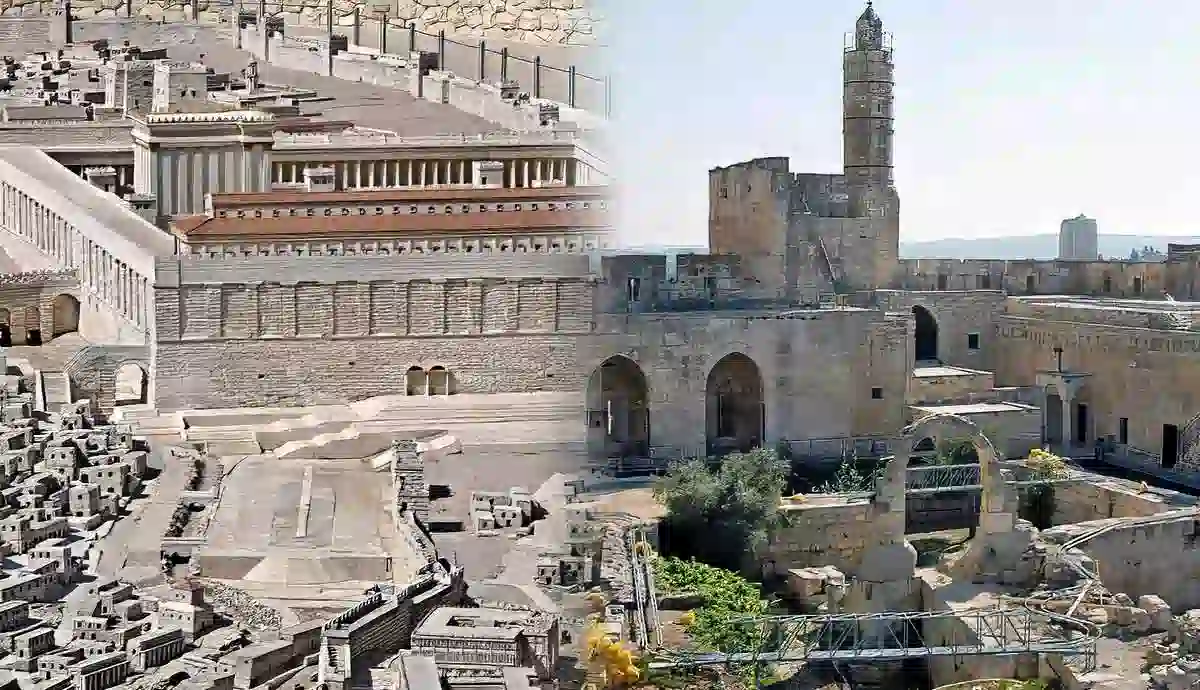
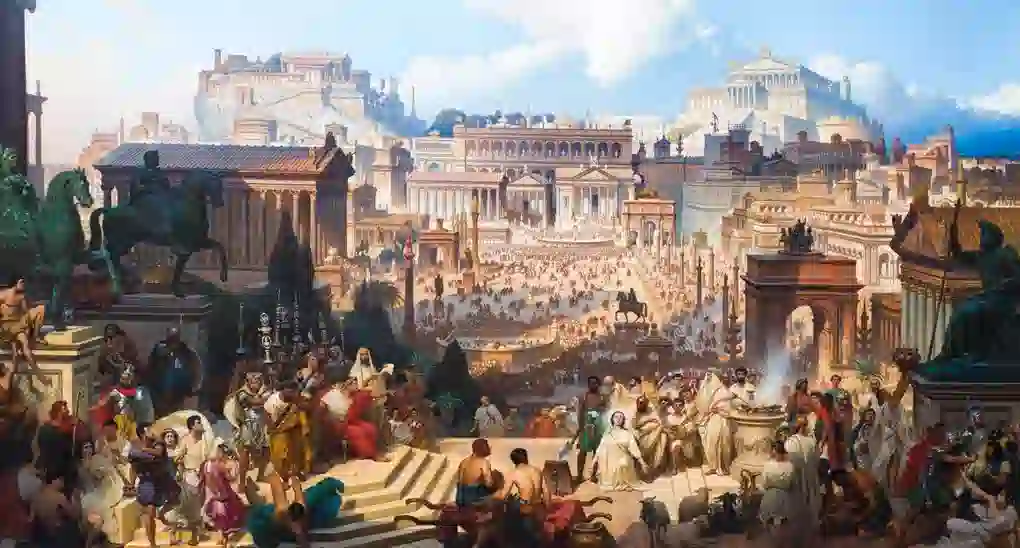
The Roman period marked one of the most dramatic chapters in Jerusalem’s history. It was during this era that the city became central to early Christianity. Events traditionally associated with the final days of Jesus Christ took place within and around the city, embedding Jerusalem permanently into Christian consciousness.
Following revolts against Roman rule, large parts of Jerusalem were destroyed. Yet even in ruins, the city’s importance did not fade. Instead, it became a place of pilgrimage, memory, and theological reflection for emerging Christian communities across the Roman world. This paradox—destruction paired with spiritual elevation—would repeat itself throughout Jerusalem’s long history.
Jerusalem in the Islamic Golden Age
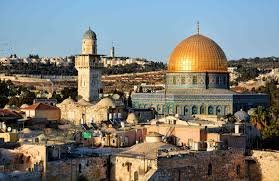
In the 7th century, Jerusalem entered a new historical phase with the arrival of Islamic rule. Rather than diminishing the city’s religious role, this period expanded it. Jerusalem became the third holiest city in Islam, linked to the Night Journey and Ascension.
Under Islamic governance, Jerusalem developed into a multicultural city where different religious communities coexisted under structured systems. Architectural and urban development during this era shaped much of the Old City’s layout that visitors experience today. Importantly, Jerusalem’s sacred character was preserved rather than replaced, reinforcing its unique identity as a city revered by multiple faiths simultaneously.
From Medieval Conflicts to Ottoman Stability
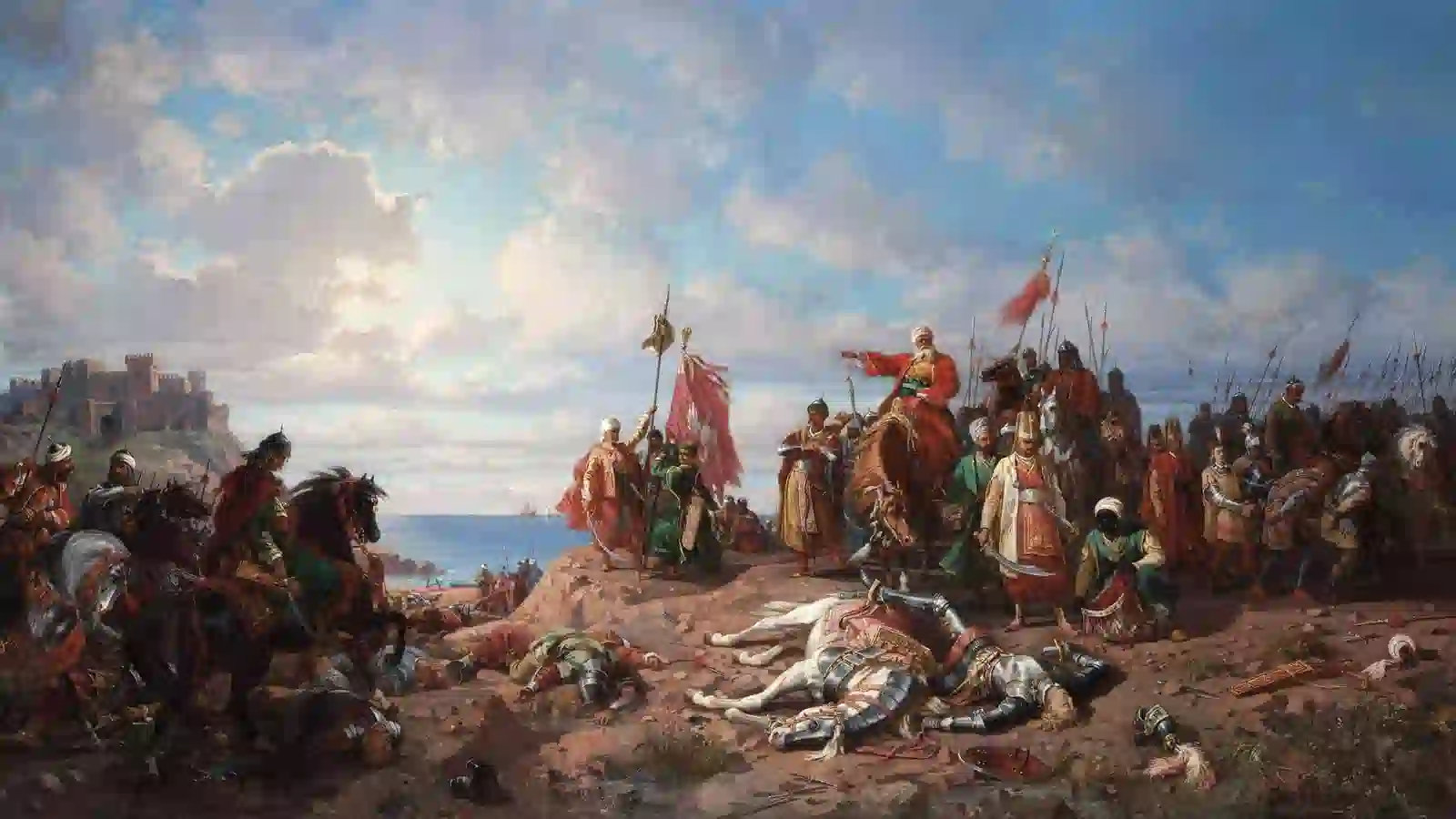
The medieval period introduced cycles of conflict, most notably during the Crusades, when Jerusalem became a focal point of military and religious confrontation. Control of the city shifted repeatedly, each transition leaving scars but also contributing to its layered identity.
Later, under Ottoman administration, Jerusalem experienced relative stability for several centuries. While it was no longer a political capital, it remained a spiritual center and pilgrimage destination. The city’s walls, gates, and neighborhoods were defined during this time, creating much of the visual character seen today.
Jerusalem in the Modern Era
The modern history of Jerusalem is complex and often contentious. Political changes in the 20th century transformed the city into a global symbol of unresolved conflict, while simultaneously increasing international attention.
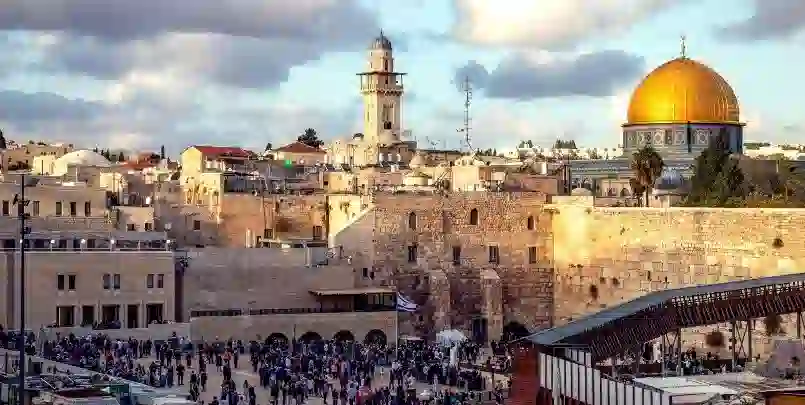
For travelers, this modern context adds another layer of meaning. Visiting Jerusalem today means encountering a living city—one where ancient traditions coexist with contemporary life. Markets operate beside sacred sites, and daily routines unfold against a backdrop of extraordinary history. Understanding this modern dimension is essential for visitors. Jerusalem is not an open-air museum; it is a dynamic city where history continues to be written.
Why Historical Context Matters for Visitors
For travelers arriving from Sharm El Sheikh, historical awareness transforms the experience. Sites are no longer just stops on an itinerary; they become chapters in a continuous story. Knowing why a location matters enhances respect, patience, and emotional connection. It also helps visitors navigate the city with sensitivity, appreciating both its beauty and complexity
Jerusalem in Islam – Spiritual Significance and Sacred Sites
For Muslims around the world, Jerusalem holds a spiritual status that goes far beyond geography. It is not simply a historical city, but a place deeply woven into Islamic belief, tradition, and collective memory. Long before political borders and modern disputes, Jerusalem was established in Islam as a sacred destination and a point of divine connection.
Its importance stems primarily from its association with Al-Aqsa Mosque, the third holiest mosque in Islam after Mecca and Medina. For centuries, Jerusalem has been a destination of reverence, reflection, and prayer for Muslims, making it an essential part of any journey that seeks to understand the city in its entirety.
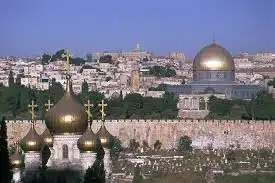
Al-Aqsa Mosque and the Heart of Islamic Jerusalem
Al-Aqsa Mosque is not just a single building but a vast sacred compound that includes courtyards, prayer halls, and historic structures. It represents the spiritual heart of Islamic Jerusalem and remains an active place of worship to this day.
For Muslim visitors, entering the Al-Aqsa compound is often an emotional experience. It is a space where faith feels tangible, shaped by centuries of continuous prayer and devotion. The atmosphere changes throughout the day—quiet and contemplative in the early morning, deeply communal during prayer times.
More than a symbol, Al-Aqsa is a living institution. Its significance lies in uninterrupted religious practice, making it a place where history is not only remembered but actively lived.
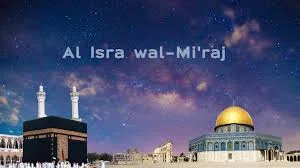
The Night Journey and Ascension (Al-Isra wal-Mi’raj)
Jerusalem’s place in Islam is inseparable from the story of Al-Isra wal-Mi’raj—the Night Journey and Ascension of the Prophet Muhammad. According to Islamic belief, the Prophet was taken by divine will from Mecca to Jerusalem in a single night, and from there ascended through the heavens.
This event permanently elevated Jerusalem’s spiritual standing. It became a bridge between the earthly and the divine, a city chosen for a moment that transcends time. For believers, visiting Jerusalem is therefore not an act of tourism, but a deeply personal spiritual encounter.
Understanding this narrative allows travelers to grasp why Jerusalem inspires such profound reverence and emotion among Muslims worldwide.
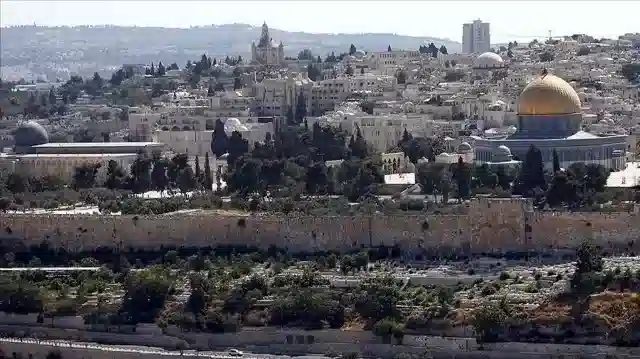
The Dome of the Rock and Its Symbolism
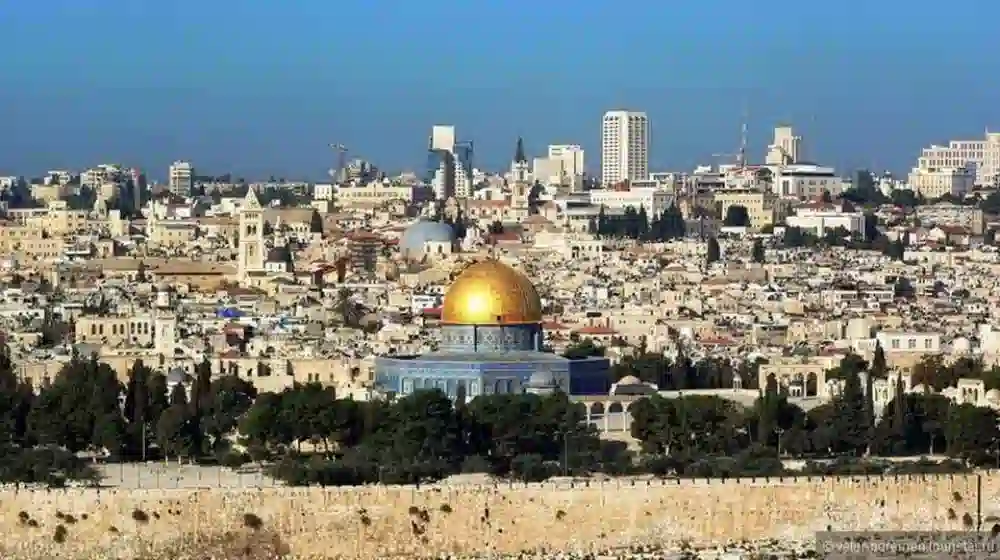
Within the same sacred enclosure rises the Dome of the Rock, one of the most iconic religious structures in the world. Its golden dome dominates the skyline, instantly recognizable and rich in meaning.
The shrine marks the rock associated with the Ascension and reflects the artistic and architectural achievements of early Islamic civilization. Beyond its visual beauty, the Dome of the Rock represents continuity—faith expressed through space, form, and sacred memory.
For many visitors, it becomes the visual symbol of Jerusalem itself, embodying the city’s layered religious identity in a single image.
Jerusalem as the First Qibla
A lesser-known but essential aspect of Jerusalem’s Islamic importance is its role as the first Qibla, the original direction of prayer for early Muslims. Before the direction was changed to Mecca, Muslims prayed toward Jerusalem.
This fact anchors Jerusalem firmly in the foundations of Islamic practice. It demonstrates that the city’s sacred status is not symbolic or secondary, but rooted in the earliest period of Islam. For believers, this connection deepens the spiritual meaning of every visit.
Visiting Islamic Sites with Awareness and Respect
For travelers arriving from Sharm El Sheikh, cultural and spiritual awareness is vital. Islamic sites in Jerusalem are active places of worship, not open-air museums. Modest dress, respectful conduct, and patience are essential elements of a meaningful visit.
Approaching these sites with understanding transforms the experience. It allows visitors to engage with Jerusalem not as outsiders observing history, but as guests entering a sacred, living space shaped by faith, tradition, and devotion across centuries.
Bethlehem – The Birthplace of Jesus and Its Spiritual Legacy
Just a short distance from Jerusalem lies Bethlehem, a city whose name resonates around the world as the birthplace of Jesus Christ. Though modest in size, Bethlehem carries an extraordinary spiritual and historical weight. For Christian pilgrims and culturally curious travelers alike, it offers a rare chance to connect directly with events that stand at the very foundation of Christianity.
Unlike Jerusalem, which reflects the convergence of multiple faiths, Bethlehem’s identity is deeply rooted in Christian tradition. Its streets, churches, and sacred landmarks tell a continuous story of faith, devotion, and endurance that has shaped the city for more than two millennia.
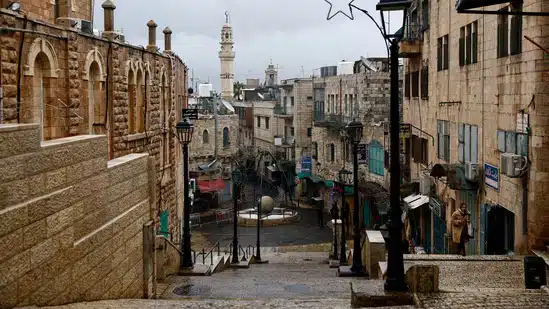
The Church of the Nativity – A Timeless Pilgrimage Site
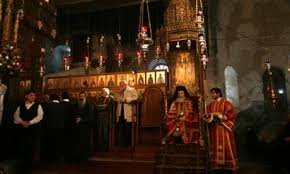
At the heart of Bethlehem stands the Church of the Nativity, one of the oldest continuously functioning churches in the world. Tradition holds that this site marks the exact place where Jesus Christ was born, making it one of the most important pilgrimage destinations in Christianity.
Visitors enter through the famous Door of Humility, a deliberately low entrance designed to remind all who pass through it of modesty and reverence. Inside, ancient columns, worn stone floors, and fading mosaics create an atmosphere that feels both solemn and timeless. Beneath the main altar lies the Grotto of the Nativity, where a silver star marks the traditional birthplace of Jesus.
Descending into the grotto is often the most emotional moment of the visit. It is quiet, intimate, and deeply symbolic—a space where centuries of prayer have left an almost tangible presence.
Manger Square – The Cultural Heart of Bethlehem
Directly in front of the Church of the Nativity stretches Manger Square, the social and cultural center of Bethlehem. This open plaza connects sacred history with everyday life, offering visitors a glimpse into the living rhythm of the city.
Cafés, small restaurants, and local shops surround the square, selling handcrafted olive-wood carvings, religious icons, and traditional souvenirs. During the Christmas season, Manger Square transforms into a global focal point, hosting celebrations that draw visitors from around the world. Even outside the holidays, the square remains lively, reflecting Bethlehem’s role as both a sacred destination and a modern city.
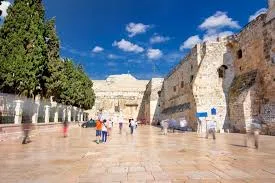
Other Key Christian Sites in Bethlehem
While the Church of the Nativity dominates Bethlehem’s spiritual landscape, several other sites add depth to the Christian narrative:
- Shepherds’ Field: Traditionally associated with the announcement of Jesus’ birth to the shepherds, this quiet area offers space for reflection and panoramic views.
- St. Catherine’s Church: Located adjacent to the Nativity Church, it remains an active place of worship and hosts major Christmas services.
- Nearby monastic sites provide insight into early Christian ascetic traditions that developed in the surrounding desert landscapes.
Together, these locations present Bethlehem not as a single sacred point, but as a wider spiritual environment shaped by faith and tradition.
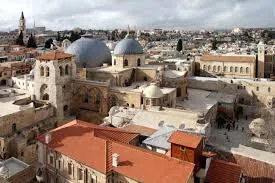
Bethlehem Today – A Living, Breathing City
Modern Bethlehem is far more than a historical backdrop. It is a living city with schools, markets, neighborhoods, and a strong sense of local identity. While its Christian heritage defines its global image, everyday life unfolds alongside pilgrimage routes and sacred landmarks.
Many visitors find this contrast striking. Ancient churches stand beside busy streets, and religious festivals coexist with ordinary routines. This coexistence gives Bethlehem an authenticity that resonates deeply, reminding travelers that faith here is not confined to the past—it is part of daily life.
Visiting Bethlehem from Sharm El Sheikh – Practical Insights
For travelers coming from Sharm El Sheikh, visiting Bethlehem requires thoughtful planning:
- Border procedures involve security checkpoints, making organized tours the most efficient option.
- Licensed guides provide not only logistical support but also historical and cultural depth.
- Timing matters, as early visits allow a calmer experience inside the Church of the Nativity, especially during peak seasons.
With proper preparation, a visit to Bethlehem becomes a powerful complement to Jerusalem—adding the story of birth and hope to the broader narrative of faith, sacrifice, and resurrection in the Holy Land
Detailed Day Trip Itinerary from Sharm El Sheikh to Jerusalem and Bethlehem
A day trip from Sharm El Sheikh to Jerusalem and Bethlehem is not an ordinary excursion. It is a carefully structured journey that compresses thousands of years of history, faith, and culture into a single, meaningful day. Because the distance is long and the destinations are complex, the itinerary is designed with precision—balancing efficiency, depth, and comfort.
What follows is a realistic, step-by-step outline of how the day typically unfolds, allowing travelers to understand exactly what to expect before committing to the experience.
Early Morning Departure – Leaving Sharm El Sheikh Before Sunrise
The journey begins well before the city wakes up. Travelers are collected directly from their hotels in Sharm El Sheikh, usually in the early hours of the morning. This early departure is intentional—it avoids daytime heat, reduces border congestion, and maximizes the time available at the historical sites.
Transportation is arranged in advance, typically using modern, air-conditioned vehicles suitable for long-distance travel. The atmosphere during this stage is calm and quiet, allowing travelers to rest, reflect, or listen to introductory explanations from the guide.
This early start sets the tone for a well-organized and purposeful day.
Border Crossing and Security Formalities – A Managed Process
One of the most sensitive parts of the journey is the border crossing. For travelers unfamiliar with the region, this can seem intimidating, which is why organized tours play a crucial role.
Upon arrival at the border, professional tour staff coordinate the entire process. Travelers are guided step by step—when to present documents, where to wait, and how to proceed. While security checks are thorough, structured coordination significantly reduces confusion and unnecessary delays.
This stage requires patience, but it is also a transition point: once completed, travelers officially move from Egypt into a region dense with historical and spiritual significance.
Entering Jerusalem – First Impressions of a Timeless City
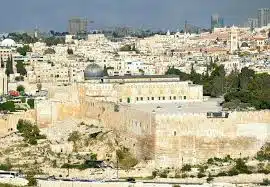
As the road approaches Jerusalem, the scenery begins to change. Ancient stone structures, historic neighborhoods, and city walls gradually replace desert landscapes. This visual shift often creates a powerful emotional response, especially for first-time visitors.
Before entering the Old City, guides typically provide an overview of Jerusalem’s layout—explaining how the city is divided into quarters and why each area holds distinct religious and historical meaning. This context prepares travelers to understand what they will see, rather than simply observe it.
The approach itself feels symbolic: a movement from the modern world into a place where history remains vividly present.
Exploring the Old City – Walking Through History
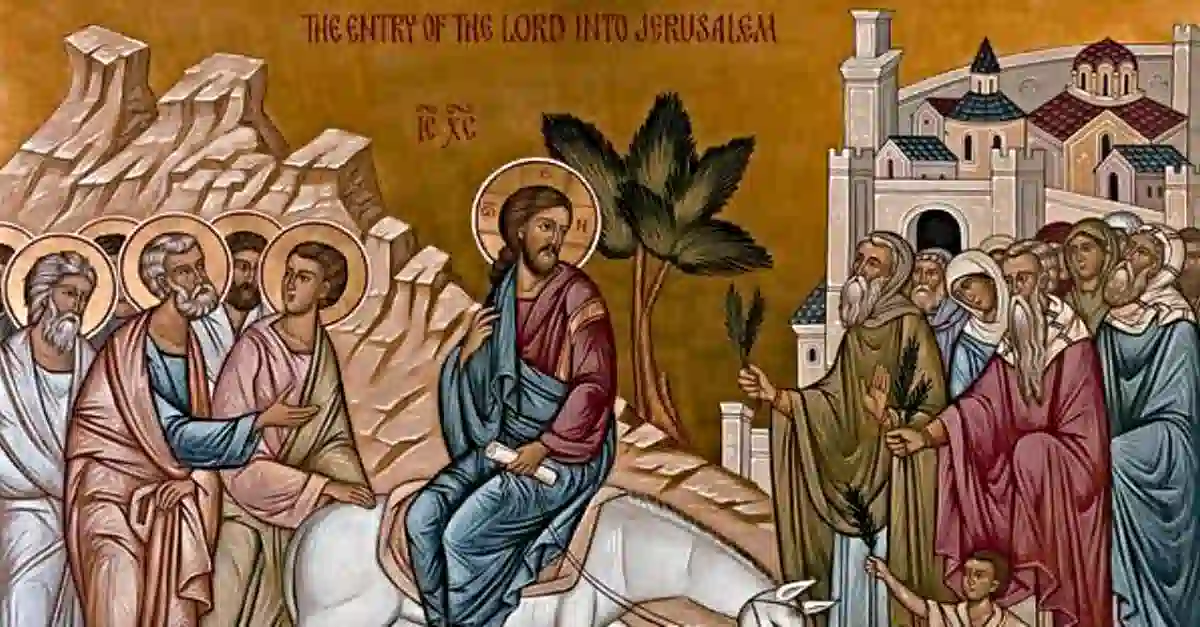
The core of the Jerusalem experience takes place on foot. Walking through the Old City allows travelers to engage directly with its atmosphere, rather than viewing it from a distance.
Key moments during this part of the itinerary usually include:
- Walking along sections of the Via Dolorosa, tracing a path central to Christian tradition
- Visiting the Church of the Holy Sepulchre, where multiple sacred sites exist under one roof
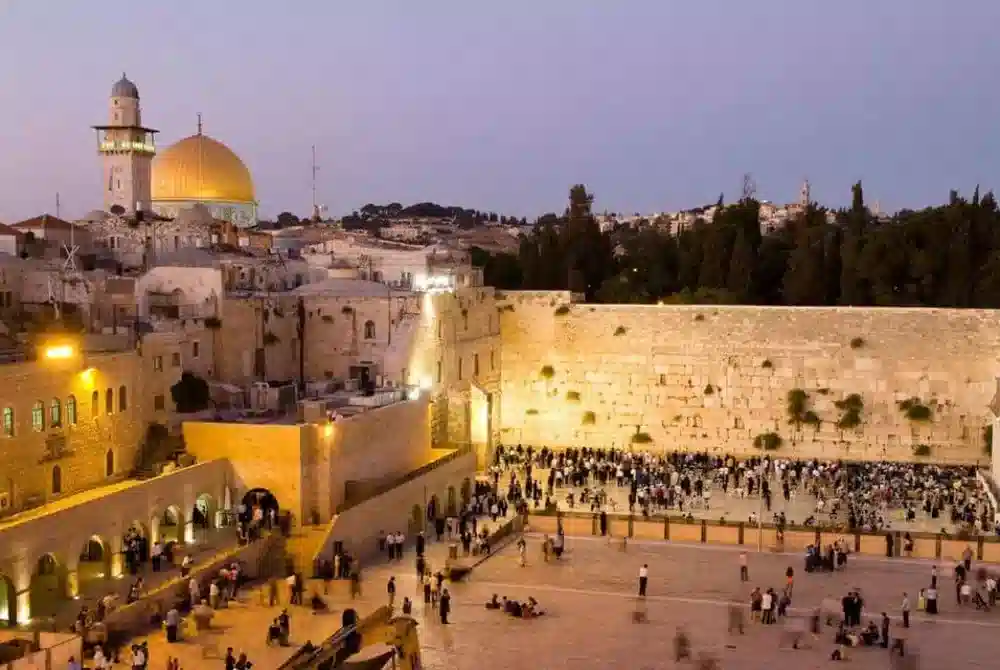
- Observing life around the Western Wall, witnessing prayer rituals and cultural practices
- Passing through traditional market streets filled with spices, textiles, and everyday commerce
Throughout the walk, guides provide layered explanations—combining historical facts, religious narratives, and practical insights that help visitors move respectfully through sacred spaces.
This segment is immersive, emotionally engaging, and often the most memorable part of the entire day.
Midday Break – Rest and Local Cuisine
After several hours of walking and exploration, a scheduled break allows travelers to rest and eat. Lunch typically takes place in or near Jerusalem, offering simple but authentic regional food.
This pause is more than just a meal—it is a moment to process what has already been seen, recharge physically, and prepare mentally for the second half of the journey.
Transition to Bethlehem – Crossing Cultural and Political Lines
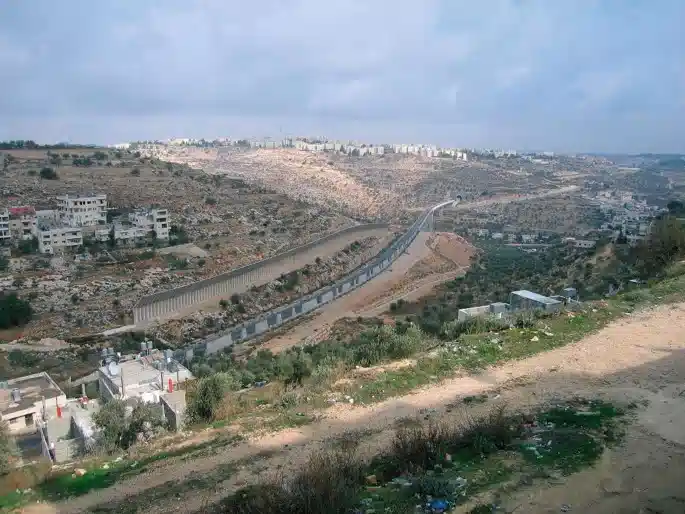
The drive from Jerusalem to Bethlehem is relatively short in distance but significant in context. During this transfer, travelers pass through checkpoints and enter a different administrative and cultural environment.
Guides usually use this time to explain the background of the area, offering neutral, informative context that helps visitors understand the realities of the region without political bias.
This transition highlights how closely history, faith, and modern life are intertwined.
Discovering Bethlehem – A City Defined by Faith
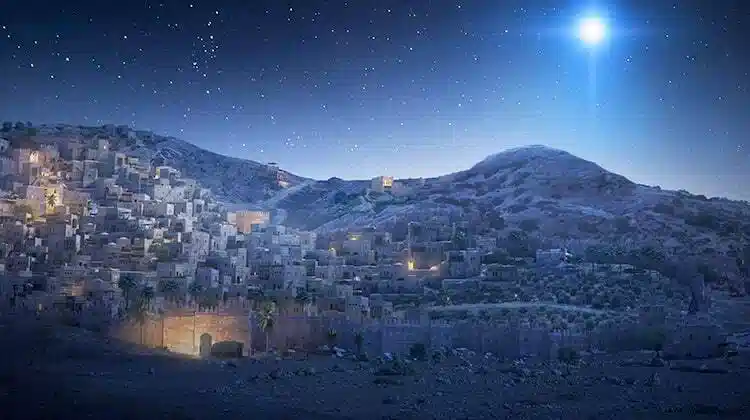
In Bethlehem, the focus becomes more intimate and spiritually centered. The visit often begins with the Church of the Nativity, where travelers enter through the famous low doorway that encourages humility.
Inside, visitors encounter ancient mosaics, stone corridors, and the grotto traditionally believed to mark the birthplace of Jesus. The atmosphere here is quieter, more contemplative, and deeply emotional for many travelers.
Time is also allocated to explore Manger Square and, when conditions allow, additional nearby sites connected to the Nativity story. Guides emphasize historical continuity and explain how Bethlehem functions today as a living city, not just a pilgrimage destination.
Late Afternoon Return – Reflecting on the Journey
By late afternoon, the group begins the return journey to Sharm El Sheikh. The pace slows, and the mood often shifts from exploration to reflection. Guides may summarize key themes of the day or answer lingering questions.
The long drive back provides space to rest, review photos, and absorb the significance of what has been experienced.
Evening Arrival Back in Sharm El Sheikh
Travelers usually arrive back at their hotels in the evening. Although the day is long, the sense of completion is strong. Within a single day, visitors have crossed borders, walked through ancient cities, and connected with sites that hold profound meaning for millions of people worldwide.
This carefully structured itinerary transforms a complex journey into a coherent, rewarding experience—one that balances logistics, depth, and human connection
Who This Jerusalem and Bethlehem Trip Is Perfect For
A day trip from Sharm El Sheikh to Jerusalem and Bethlehem is not designed for one specific type of traveler. What makes this journey truly special is its ability to appeal to different travel styles, expectations, and personal motivations—while still remaining structured and achievable within a single day.
Understanding whether this trip matches your travel profile helps set realistic expectations and ensures a rewarding experience.
Faith-Oriented Travelers and Pilgrims
For religious travelers, this journey represents a deeply meaningful pilgrimage rather than a standard sightseeing tour.
- Christians connect directly with the birthplace of Jesus and the sites of the Passion
- Muslims experience the spiritual importance of Jerusalem within Islamic tradition
- Believers value guided explanations that respect religious narratives and sacred practices
For this group, emotional depth and spiritual reflection often outweigh physical fatigue.
Cultural and History Enthusiasts
Travelers interested in history, archaeology, and cultural interaction find this trip exceptionally rewarding.
- Multiple civilizations and eras are explored in one day
- Ancient sites are experienced within a living, modern city
- Guides provide context that links historical events to present-day realities
This journey is ideal for those who enjoy understanding why places matter, not just seeing them.
Travelers with Limited Time in Egypt
Not everyone visiting Sharm El Sheikh has weeks to explore the region. This trip is perfectly suited for travelers who want maximum value from limited vacation days.
- One day covers two globally significant cities
- No need to change hotels or extend stays
- Logistics are handled professionally, reducing planning stress
For time-conscious travelers, this balance of depth and efficiency is a major advantage.
First-Time Visitors to the Middle East
For travelers new to the Middle East, organized structure is often essential.
- Border crossings and security procedures are managed
- Cultural norms are explained clearly
- Guides help avoid common misunderstandings
This makes the trip approachable even for those who may feel uncertain about traveling independently in the region.
Who This Trip May Not Be Ideal For
Honest travel planning is part of a good experience. This journey may not suit everyone.
- Travelers seeking luxury, slow-paced experiences
- Visitors uncomfortable with long travel days
- Those unwilling to walk for extended periods
Understanding these limitations helps travelers make informed decisions rather than face disappointment later.
Why Matching Expectations Matters
The Jerusalem and Bethlehem day trip is intense, meaningful, and unforgettable—but it requires the right mindset. Travelers who approach it as a cultural and spiritual expedition, rather than a relaxed leisure outing, are far more likely to describe it as the highlight of their stay in Sharm El Sheikh.
Unique Experiences and Activities in Jerusalem and Bethlehem
Exploring Jerusalem and Bethlehem goes far beyond checking famous landmarks off a list. It is a deeply human experience shaped by living culture, everyday traditions, local flavors, and centuries of shared history that continue to influence daily life. These cities invite travelers to slow down, observe, interact, and truly feel the rhythm of places that have shaped faith, culture, and identity for generations. Every street corner, market stall, and neighborhood offers a chance to connect with stories that are still unfolding.
Walking Through the Old City of Jerusalem
Walking through the Old City of Jerusalem is one of the most immersive experiences a traveler can have in the Middle East. Unlike panoramic viewpoints or bus tours, walking allows visitors to experience the city at eye level, where history and modern life coexist naturally.
Moving between the Muslim, Christian, Jewish, and Armenian quarters reveals striking contrasts in architecture, atmosphere, and daily routines. Each quarter has its own personality, shaped by religious traditions, community life, and centuries of historical development. Within a short walk, travelers encounter mosques, churches, synagogues, schools, homes, and small family-run shops, all functioning side by side.
Beyond the main streets lie narrow alleys and hidden passageways that many visitors never see. These quiet corners often lead to small chapels, ancient water fountains, stone staircases, and secluded courtyards that preserve the authentic character of the city. Walking here feels like stepping into a living museum, where every stone carries memory.
Guided walking tours add another layer of depth. Local guides transform the streets into stories, explaining historical events, religious symbolism, and cultural traditions connected to specific locations. Their narratives help visitors understand not only what they are seeing, but why it matters.
Exploring Bethlehem’s Markets and Traditional Crafts
Bethlehem offers a more intimate and community-focused experience that complements the grandeur of Jerusalem. While widely known for its religious importance, the city also preserves strong traditions of craftsmanship, local trade, and family-based businesses.
One of the most distinctive experiences in Bethlehem is exploring its craft workshops, particularly those specializing in olive wood carvings. Artisans create detailed nativity scenes, crosses, icons, and decorative items using techniques passed down through generations. Watching craftsmen at work and hearing their stories adds meaning to each piece beyond its visual appeal.
Local markets provide a sensory experience filled with colors, aromas, and flavors. Visitors can sample high-quality olive oil, fragrant za’atar blends, dried fruits, spices, and freshly pressed juices. These markets reflect the agricultural heritage of the region and offer insight into everyday Palestinian life.
Equally important is the human interaction. Conversations with shop owners and artisans reveal personal perspectives on culture, faith, and resilience. These exchanges transform a simple visit into a meaningful cultural connection.
Culinary Adventures and Local Flavors
Food plays a central role in understanding both Jerusalem and Bethlehem. Culinary experiences here are closely tied to tradition, family, and hospitality.
In Jerusalem, street food is an essential part of the experience. Falafel stands, hummus shops, bakeries, and juice vendors serve simple yet flavorful dishes that reflect the city’s multicultural influences. Eating where locals eat provides an authentic taste of daily life.
Bethlehem offers a deeper introduction to traditional Palestinian cuisine. Dishes such as musakhan, maqluba, freshly baked bread, and local cheeses are often prepared according to family recipes. Meals are generous and communal, reinforcing the cultural importance of sharing food.
Small cafés and tea shops in both cities offer moments of rest and observation. Sitting with a cup of Arabic coffee or mint tea allows travelers to pause, reflect, and absorb the atmosphere around them.
Religious and Cultural Events Throughout the Year
Visiting Jerusalem and Bethlehem during religious or cultural celebrations adds a powerful dimension to the journey. These events reveal the cities as living centers of faith rather than static historical sites.
In Bethlehem, the Christmas season transforms the city with decorations, music, religious processions, and international visitors. The atmosphere is festive yet deeply spiritual, offering a rare opportunity to witness global traditions rooted in a local community.
In Jerusalem, Islamic holidays such as Ramadan and Eid create a distinct rhythm of life, especially in the evenings. Streets become lively with families, food stalls, and social gatherings, providing insight into religious customs and social traditions.
Cultural festivals, art exhibitions, guided cultural walks, and musical performances throughout the year highlight the contemporary creative life of both cities, showing how modern expression exists alongside ancient history.
Photography and Moments of Reflection
Jerusalem and Bethlehem are visually rich cities, offering countless opportunities for photography and quiet contemplation. However, the most meaningful moments often come when travelers slow down and observe rather than rush.
Early mornings provide soft light over ancient stone walls, rooftops, and domes. Markets offer dynamic scenes filled with movement, color, and human interaction. Sacred sites reveal intricate architectural details that tell stories of devotion and craftsmanship.
Beyond photography, these cities encourage reflection. Sitting quietly in a courtyard, watching daily life unfold, or simply listening to the ambient sounds can create a deeper emotional connection. Travelers who allow space for reflection often leave with experiences that feel personal and lasting, rather than simply documented.
This combination of culture, interaction, food, tradition, and reflection makes Jerusalem and Bethlehem destinations that are not just visited, but truly experienced.
Spiritual Immersion and Personal Reflection in Jerusalem & Bethlehem
A journey to Jerusalem and Bethlehem transcends traditional sightseeing and becomes an inward experience shaped by centuries of faith, devotion, and human longing. For pilgrims and culturally curious travelers alike, these cities offer rare spaces where history, belief, and personal reflection intersect. Generations have come here to pray, meditate, and search for meaning, and that spiritual continuity is still deeply felt today.
Finding Quiet Moments Amidst the Crowds
Despite their popularity, both cities still offer pockets of calm for those who seek them. Early mornings are especially powerful. The soft light at the Western Wall or within the courtyards of Al-Aqsa creates a peaceful atmosphere that invites contemplation before the day’s crowds arrive.
Inside the Church of the Holy Sepulchre, small side chapels provide moments of silence where visitors can sit, breathe, and absorb the gravity of the place. Beyond major landmarks, wandering through lesser-known alleys of the Old City often reveals hidden prayer niches, ancient stones worn smooth by time, and secluded corners that naturally encourage introspection. These quiet encounters allow travelers to connect emotionally, not just intellectually, with the sacred landscape.
Engaging in Rituals with Respect and Awareness
Observing or gently participating in local religious practices can deepen spiritual understanding when done with humility and respect. At the Western Wall, many visitors write personal prayers and place them between the stones, joining a centuries-old tradition of hope and supplication.
In the courtyards of Al-Aqsa, witnessing the rhythm of daily prayers highlights the continuity of devotion that defines Jerusalem’s spiritual life. In Bethlehem, attending a short church service offers insight into living Christian traditions that have endured through changing times. Respectful behavior—quiet observation, appropriate dress, and cultural sensitivity—transforms these moments into meaningful personal experiences.
Personal Reflection Through Writing and Observation
Many travelers discover that reflection becomes more powerful when expressed. Sitting in Manger Square or overlooking the Mount of Olives, writing down thoughts or impressions allows visitors to process both the historical weight and personal emotions of the journey.
Sketching architectural details, mosaics, or street scenes encourages slower observation and deeper appreciation. Reflecting on conversations with locals, encounters in markets, or moments of prayer helps transform the trip into a personal narrative rather than a simple itinerary.
Guided Spiritual Storytelling
Experienced local guides often weave spiritual insight into historical explanation. Stories of prophets, saints, and pilgrims add emotional depth to physical locations, helping travelers understand why these places continue to inspire devotion.
Personal anecdotes shared by local residents bridge the gap between ancient traditions and modern life, revealing how faith remains a living, evolving force. These narratives give each site a human voice, making the experience resonate long after the journey ends.
Creating a Lasting Inner Connection
Through mindful observation, respectful participation, and quiet reflection, visitors often leave Jerusalem and Bethlehem with more than memories—they carry a lasting inner connection. Spiritual awareness blends naturally with cultural understanding, and personal reflections become part of one’s own life story.
By allowing space for contemplation, travelers ensure that the journey’s meaning endures far beyond photographs or souvenirs.
Packing and Travel Essentials for a Jerusalem & Bethlehem Day Trip from Sharm El Sheikh
Thoughtful preparation is key to enjoying a smooth, comfortable, and enriching day trip. Knowing what to bring—and what to leave behind—helps travelers focus fully on the spiritual, historical, and cultural experiences ahead.
Clothing Essentials
Because Jerusalem and Bethlehem are deeply religious environments, clothing choices matter. Modest attire that covers shoulders and knees is essential for both men and women when visiting sacred sites. Loose, breathable fabrics are ideal, especially during warmer months.
Layered clothing is highly recommended, as temperatures can change throughout the day. Comfortable walking shoes are indispensable, as cobblestone streets and uneven paths are common across both cities.
Travel Documents and Identification
A valid passport is mandatory for border crossings and should be kept secure yet easily accessible. Travelers should verify visa requirements in advance based on nationality. Tour confirmations—digital or printed—can be helpful during checkpoints and organized excursions. Having documents prepared reduces stress and avoids unnecessary delays.
Comfort and Practical Items
Long travel hours and extended walking require basic comfort planning. Carrying a refillable water bottle helps prevent dehydration, particularly in summer. Light snacks provide energy between stops, while sunscreen and a hat protect against sun exposure.
A small backpack is ideal for carrying essentials without limiting movement or comfort.
Technology and Photography Preparation
Fully charged phones or cameras ensure memories are captured without interruption. A portable power bank is highly recommended, as charging opportunities may be limited. Photography should always respect local rules—some interiors prohibit photos, and worshippers should never be photographed without consent.
Optional Items for a Richer Experience
A small notebook or journal allows travelers to record reflections and insights throughout the day. A compact guidebook or offline travel app can offer quick context when needed. Personal medications or a small first-aid kit provide peace of mind during a long itinerary.
Final Packing Advice
Travel light to move comfortably through busy markets and narrow streets. Keep valuables secure and organized, and review your packing list the night before departure. With the right preparation, travelers can fully immerse themselves in the spiritual depth, cultural richness, and timeless atmosphere of Jerusalem and Bethlehem without distraction.
Summary and Takeaways for Travelers from Sharm El Sheikh to Jerusalem and Bethlehem
Embarking on a day trip from Sharm El Sheikh to Jerusalem and Bethlehem is more than a typical sightseeing excursion—it is an extraordinary journey that weaves together history, spirituality, culture, and personal reflection. Travelers are transported through centuries of stories as they wander ancient streets, visit sacred landmarks, explore lively markets, and engage with local traditions. Every step provides a unique opportunity to connect with the essence of these timeless cities.
This journey is not just about visiting sites; it offers meaningful experiences that allow travelers to:
- Walk along the paths where pivotal biblical events unfolded and connect with historical narratives.
- Engage with living religious traditions spanning Christianity, Judaism, and Islam.
- Immerse themselves in the daily life, culture, and cuisine of Palestinian and Israeli communities.
- Find moments for personal contemplation and spiritual reflection in spaces that have inspired generations.
Key Benefits of the Trip
Historical Insight – Visiting landmarks such as the Church of the Holy Sepulchre, the Western Wall, and Manger Square provides a deep understanding of ancient stories, religious heritage, and the historical layers that make these cities extraordinary.
Spiritual Enrichment – Quiet reflection in sacred spaces, participating in local rituals, and observing centuries-old practices enable travelers to experience profound personal and spiritual growth.
Cultural Immersion – Engaging with local artisans, exploring vibrant markets, and tasting authentic cuisine allows visitors to experience daily life and traditions that cannot be captured in guidebooks alone.
Efficient Planning – Organized tours from Sharm El Sheikh ensure seamless logistics, smooth border crossing, and an optimized schedule, maximizing every hour of the day for exploration and enrichment.
Practical Takeaways for a Smooth Experience
- Dress Appropriately: Modest clothing covering shoulders and knees is essential for both men and women in religious and cultural sites. Comfortable footwear is crucial for walking cobblestone streets.
- Prepare Travel Documents: Keep passports, visas (if required), and tour confirmations easily accessible for hassle-free border crossings.
- Follow Local Etiquette: Respect sacred spaces, adhere to photography guidelines, and observe cultural norms.
- Stay Comfortable: Carry water, light snacks, sunscreen, and a small backpack to maintain energy throughout the day.
- Consider Timing: Choose seasonal periods or early mornings for cooler temperatures and more serene experiences at popular landmarks.
Proper preparation ensures that travelers focus on the richness of the experience rather than logistical challenges.
Final Thoughts
Jerusalem and Bethlehem leave an indelible mark on every visitor. They are cities where ancient history merges with living traditions, where spirituality intertwines with cultural vibrancy, and where moments of reflection coexist with dynamic exploration. For travelers departing from Sharm El Sheikh, this day trip is far more than a visit—it is an enriching journey that blends education, adventure, and personal insight.
Whether your goal is to gain religious knowledge, immerse yourself in authentic culture, or simply experience a once-in-a-lifetime journey, Jerusalem and Bethlehem offer a rare combination of sacred and worldly experiences, leaving memories that linger long after the trip concludes.
Frequently Asked Questions (FAQs) – Jerusalem & Bethlehem Day Trip from Sharm El Sheikh
How far is Jerusalem from Sharm El Sheikh?
Jerusalem is approximately 450 km from Sharm El Sheikh by road, usually taking 5–6 hours including border crossing.
Can I visit Bethlehem and Jerusalem in a single day?
Yes, with an organized tour from Sharm El Sheikh, it is possible to see the key highlights of both cities in one day.
Do I need a visa to enter Israel from Egypt?
Depending on your nationality, a visa may be required. Using a tour operator usually simplifies the process.
What is the best time to visit Jerusalem and Bethlehem?
Spring (March–May) and Autumn (September–November) offer mild weather and fewer crowds.
Is it safe to travel from Sharm El Sheikh to Jerusalem and Bethlehem?
Yes, using reputable tour operators ensures safe transportation, border procedures, and guided visits.
Can I visit both cities independently without a tour?
Technically yes, but border crossings and logistics are complicated. Organized tours are recommended.
How early should I start the day trip?
Most tours start around 5–6 AM to maximize time in both cities.
Are the roads from Sharm El Sheikh to Jerusalem safe?
Yes, highways are well-maintained, and tour operators use modern minibuses with professional drivers.
Is English widely spoken in Jerusalem and Bethlehem?
Yes, most guides, shopkeepers, and staff in tourist areas speak English.
How much walking is required during the day trip?
Expect 5–7 km of walking, mostly in Old City streets, markets, and around churches and squares.
What is the Church of the Holy Sepulchre?
It is the site where Christians believe Jesus was crucified, buried, and resurrected, dating back to 326 AD.
Can non-Christians enter the Church of the Nativity?
Yes, all visitors can enter, but respect and modest clothing are required.
What is the Western Wall?
A sacred Jewish site for prayer, also called the Wailing Wall, part of the Second Temple’s remains.
Is the Dome of the Rock accessible to non-Muslims?
Generally, only Muslims can enter the Dome of the Rock; non-Muslims can view it from outside.
What is Manger Square known for?
The cultural and spiritual center of Bethlehem, adjacent to the Church of the Nativity.
Where is Jesus believed to have been born?
In a grotto under the Church of the Nativity in Bethlehem.
Are there guided religious tours?
Yes, local guides provide historical and spiritual insights into Christian, Jewish, and Islamic sites.
What is Shepherds’ Field?
A site outside Bethlehem traditionally believed to be where angels announced Jesus’ birth to shepherds.
Is it possible to attend a service in Jerusalem or Bethlehem?
Yes, travelers can attend Christian or Jewish services respectfully; some Muslim prayers can be observed at courtyards.
Are photography restrictions in holy sites strict?
Some areas restrict photography, especially inside mosques and chapels. Guides inform visitors of rules.
How long is the day trip from Sharm El Sheikh?
Typically 12–14 hours, including travel, sightseeing, lunch, and border procedures.
Do tours include lunch?
Most day tours provide lunch or stop at local restaurants.
Can I customize the tour itinerary?
Some tour operators allow minor adjustments, like extended visits at specific sites.
Are USB charging ports available on transportation?
Most modern minibuses for tours offer USB ports for mobile devices.
Are tours suitable for children?
Yes, but consider the long travel time and walking involved.
Can I take public transportation instead of a tour?
Technically yes, but it is complicated and slower due to border crossings and connections.
How many stops are usually included in the day trip?
Typically 6–8 major stops, including Jaffa Gate, Church of the Holy Sepulchre, Western Wall, and Nativity Church.
Are guided walking tours included in the package?
Yes, local guides lead walking tours in both Jerusalem and Bethlehem.
Can travelers with limited mobility join the tour?
Partially; some walking areas have uneven surfaces, but minibuses accommodate seating.
Is there time for shopping?
Yes, tours include short stops in markets for souvenirs and local crafts.
What is the weather like in Jerusalem in summer?
Hot, 30–35°C (86–95°F), requiring sun protection and hydration.
Is winter a good time to visit?
Yes, temperatures are cooler (8–15°C / 46–59°F) and crowds are smaller.
What should I wear in winter?
Layers, a warm jacket, and comfortable shoes are recommended.
Are tours available year-round?
Yes, most operators run tours throughout the year, adjusting for weather and daylight.
Is rainfall a concern?
Rare but possible in winter; light rain gear is advisable.
When is the best time for photography?
Early morning or late afternoon for soft, golden light over historic sites.
Are the cities crowded during religious holidays?
Yes, Christmas, Easter, and Jewish holidays bring larger crowds; plan accordingly.
Can I enjoy walking tours in hot summer afternoons?
It is possible but challenging; morning tours are recommended.
Are outdoor markets operational year-round?
Yes, but timing varies slightly with holidays and seasons.
Does season affect border crossing wait times?
Slightly; holidays and peak tourist seasons may have longer waits.
Is tipping expected for guides and drivers?
Yes, a modest tip is appreciated, typically 5–10 USD per person.
Can I try local food safely?
Yes, traditional Palestinian and Israeli foods are generally safe at reputable restaurants.
Are markets tourist traps?
Some stalls cater to tourists, but authentic handicrafts and local items are available with bargaining.
Can I drink tap water?
It is recommended to drink bottled or filtered water.
Are there halal and kosher food options?
Yes, both are widely available in Jerusalem and Bethlehem.
Can I interact with locals?
Yes, but polite greetings and respectful questions are advised.
Are there cultural etiquette rules?
Yes, modest clothing, respectful behavior at religious sites, and asking before photography are important.
Is it appropriate to visit religious sites alone?
Yes, but joining a guided tour enhances understanding and safety.
Are souvenirs affordable?
Prices vary; bargaining is common in markets but fixed in some shops.
Can I extend the trip to spend more time in Jerusalem or Bethlehem?
Yes, multi-day tours or overnight stays allow deeper exploration of historical and spiritual sites























Comment (0)