

Introduction: A Hidden Gem in Egypt’s Western Desert
Deep inside the vast silence of Egypt’s Western Desert lies one of the country’s most captivating and least commercialized destinations—Dakhla Oasis. Unlike the crowded streets of Cairo or the bustling resorts of the Red Sea, Dakhla offers something rare: untouched landscapes, ancient heritage, and a sense of timeless isolation that feels almost otherworldly.
For travelers searching for authentic Egypt desert experiences, off-the-beaten-path destinations, and cultural immersion far away from mass tourism, Dakhla Oasis is a treasure. It is not just a place on the map—it is a living museum of Egyptian, Roman, Islamic, and Bedouin history layered across thousands of years.
This guide takes you through everything you need to know about Dakhla Oasis: its history, landscapes, villages, attractions, activities, travel tips, and hidden mysteries that make it one of the most fascinating destinations in the Sahara.
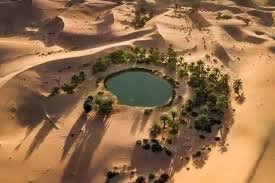
Where Is Dakhla Oasis Located?
Dakhla Oasis is part of Egypt’s chain of Western Desert oases, located roughly halfway between the Nile Valley and the Libyan border. It sits within the New Valley Governorate and is surrounded by dramatic desert landscapes, sandstone cliffs, and endless dunes.
The main town and administrative center is Mut, which acts as the gateway for travelers exploring nearby villages, archaeological sites, and natural springs.
Ancient Egyptian Roots
Dakhla Oasis has been inhabited since prehistoric times. Archaeological evidence shows that ancient Egyptians used the oasis as a strategic stop along desert trade routes. It served as a resting point for caravans carrying gold, salt, spices, and precious goods between the Nile Valley and the Sahara.
During the Pharaonic era, the oasis became a vital agricultural hub thanks to underground water sources that allowed early irrigation systems to flourish.
Roman Influence and Expansion
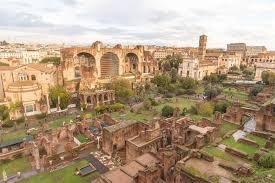
When the Romans took control of Egypt, Dakhla gained even more importance. They developed forts, temples, and administrative structures to control desert trade routes and secure the western frontier of the empire.
Remnants of Roman settlements can still be found scattered across the oasis, offering insight into how deeply integrated Dakhla was into ancient Mediterranean civilization.
Islamic Era and the Growth of Mudbrick Architecture
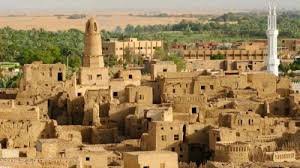
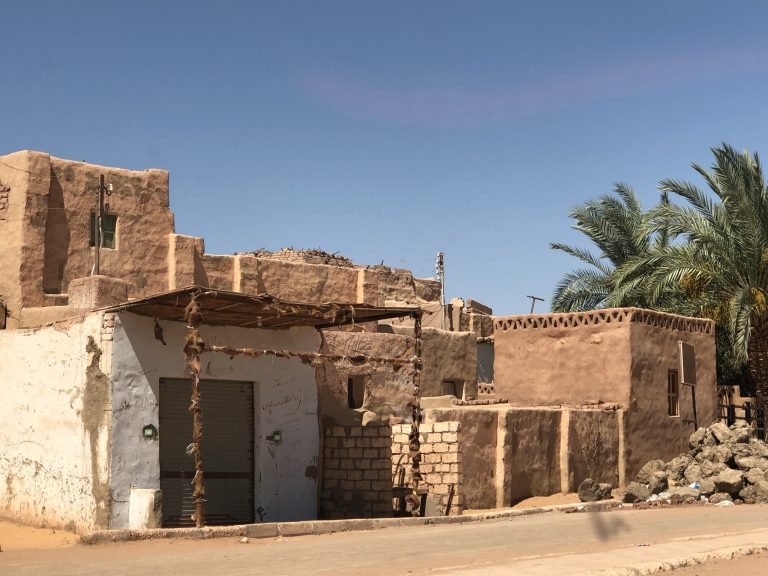
One of the most visually striking aspects of Dakhla today is its Islamic-era architecture, particularly in the historic village of Al-Qasr.
This village is famous for its narrow alleyways, traditional mudbrick houses, and wooden doors carved with intricate Islamic patterns. Many buildings date back to the 12th century and are still partially inhabited or preserved.
Walking through Al-Qasr feels like stepping into a preserved medieval Islamic city frozen in time.
The Landscape: A Blend of Desert and Life
Dakhla Oasis is not just desert—it is a contrast of life and emptiness. Fertile agricultural land exists side by side with golden sand dunes and rocky cliffs.
Lush Farmland in the Desert
Thanks to underground water aquifers, Dakhla supports farming activities such as:
- Date palm cultivation
- Wheat and barley fields
- Vegetables like onions and tomatoes
- Fruit orchards
The contrast between green farmland and surrounding desert creates one of the most visually striking landscapes in Egypt.
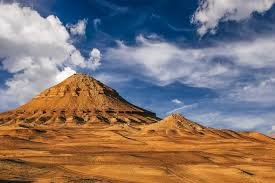
Sand Dunes and Desert Escapes
Beyond the cultivated land lies a world of pure desert beauty. The dunes around Dakhla are ideal for:
- Sandboarding
- 4×4 desert safaris
- Camel trekking
- Camping under the stars
At night, the sky becomes a spectacular display of stars due to zero light pollution—making it one of the best stargazing destinations in Egypt.
Top Attractions in Dakhla Oasis
1. Al-Qasr Old Town
This is the crown jewel of Dakhla. Built entirely from mudbrick, Al-Qasr is a masterpiece of Islamic architecture. Narrow passageways, ancient inscriptions, and traditional houses give visitors a deep sense of history.
Key highlights include:
- Ottoman-era wooden doors
- Old Quranic schools (kuttab)
- Ancient flour mills
- Hidden underground passages
2. Deir El-Hagar Temple
This Roman temple dedicated to the Theban Triad (Amun, Mut, and Khonsu) is one of the best-preserved archaeological sites in the oasis. Its carvings and hieroglyphs still tell stories of ancient religious rituals.
3. Balat Village
Balat is one of the oldest settlements in Dakhla, known for its ancient necropolis and historical ruins. It offers a glimpse into how ancient Egyptians lived and buried their dead in desert environments.
4. Mut City Center
The modern hub of the oasis, Mut blends traditional life with modern services. It has markets, cafes, and local shops where visitors can experience everyday oasis life.
Culture and Lifestyle in Dakhla Oasis
Life in Dakhla moves at a completely different rhythm compared to urban Egypt. The local population is a mix of Bedouin heritage and settled agricultural communities.
Traditional Values and Hospitality
Hospitality is a central part of life here. Visitors are often welcomed with tea, dates, and warm conversations. The community is known for its generosity and simplicity.
Local Clothing and Traditions
Most locals wear traditional loose garments suited for desert climate. Cultural identity remains strong, and many customs have been preserved for centuries.
Things to Do in Dakhla Oasis
1. Desert Safari Adventures
Exploring the Sahara around Dakhla is one of the most unforgettable experiences in Egypt. Travelers can enjoy:
- Jeep safaris across dunes
- Fossil rock exploration
- Hidden valley discoveries
2. Hot Springs Relaxation
Natural hot springs scattered around the oasis offer relaxing thermal baths believed to have healing properties. These springs are a popular stop for both locals and tourists.
3. Stargazing Nights
With crystal-clear skies, Dakhla is perfect for astronomy lovers. The Milky Way is often visible to the naked eye.
4. Cultural Tours
Walking tours through ancient villages like Al-Qasr and Balat help visitors understand how desert communities adapted to harsh environments over centuries.
Food in Dakhla Oasis: A Taste of Tradition
Cuisine in Dakhla is simple, fresh, and deeply connected to local agriculture.
Popular dishes include:
- Freshly baked traditional bread
- Dates in various forms (fresh, dried, stuffed)
- Slow-cooked stews with vegetables and meat
- Herbal teas made from desert plants
Meals are often shared in communal settings, reflecting strong social bonds.
Best Time to Visit Dakhla Oasis
The ideal time to visit is between October and April when temperatures are mild and comfortable for desert exploration.
- Winter (Nov–Feb): Best for sightseeing and camping
- Spring (Mar–Apr): Warm but pleasant
- Summer (May–Sep): Extremely hot, less recommended
Travel Tips for Visiting Dakhla Oasis
1. Prepare for Long Travel
Distances are significant, and road journeys can take several hours from major cities.
2. Bring Essentials
- Sunscreen
- Hat and sunglasses
- Comfortable walking shoes
- Water bottles
3. Respect Local Culture
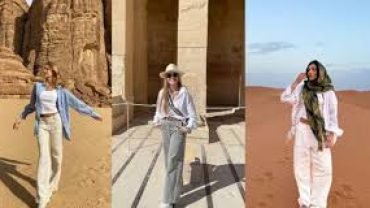
Dress modestly and be mindful of local traditions, especially in villages.
4. Hire Local Guides
Local guides provide valuable insight into hidden archaeological sites and desert routes.
Accommodation Options
Dakhla offers a range of eco-lodges and small hotels rather than large resorts. Most accommodations are built using natural materials that blend with the environment.
Options include:
- Eco-lodges in Mut
- Traditional guesthouses in villages
- Desert camps for adventure travelers
Hidden Mysteries and Legends of Dakhla Oasis
Dakhla is not only rich in history—it is also surrounded by stories and mysteries passed down through generations.
Some local legends speak of:
- Hidden underground tunnels beneath Al-Qasr
- Lost caravan routes swallowed by sand
- Ancient spiritual sites used for rituals
While not all of these stories are scientifically confirmed, they add a layer of mystique that enhances the travel experience.
Why Dakhla Oasis Should Be on Your Travel List
Dakhla is not a typical tourist destination. It is for travelers who seek:
- Authentic cultural experiences
- Historical depth
- Natural beauty without crowds
- Desert adventure and silence
It represents a different side of Egypt—one that is peaceful, ancient, and deeply connected to nature.
FAQs About Dakhla Oasis
1. Where is Dakhla Oasis located?
Dakhla Oasis is located in Egypt’s Western Desert, within the New Valley Governorate, far west of the Nile Valley.
2. How do I get to Dakhla Oasis?
You can travel by road from Cairo, Luxor, or Asyut. The journey takes several hours but passes through scenic desert landscapes.
3. What is Dakhla Oasis famous for?
It is famous for ancient villages like Al-Qasr, Roman temples, desert landscapes, and traditional oasis life.
4. Is Dakhla Oasis safe for tourists?
Yes, it is generally safe. However, traveling with a guide or group is recommended for desert excursions.
5. What activities can I do in Dakhla Oasis?
You can enjoy desert safaris, cultural tours, hot springs, camping, stargazing, and exploring archaeological sites.
6. When is the best time to visit Dakhla Oasis?
The best time is from October to April when the weather is cooler and more comfortable.
7. Are there hotels in Dakhla Oasis?
Yes, there are eco-lodges, guesthouses, and desert camps offering authentic accommodation experiences.
8. What should I wear in Dakhla Oasis?
Light, breathable clothing for the day and warmer layers for cold desert nights, along with comfortable walking shoes.























Commentaire (0)