

1. Introduction: Alexandria, Where History Meets the Mediterranean
🌊 A City Between the Sea and Civilization
Things to Do in Alexandria : Alexandria is more than just a coastal destination—it’s a place where history whispers through every wave of the Mediterranean Sea. Located at the northern edge of the Nile Delta, this iconic city stands at the crossroads of continents, cultures, and centuries of human achievement.
Founded in 331 BCE by Alexander the Great, Alexandria was envisioned as a global center of trade, knowledge, and power. Its strategic location quickly transformed it into one of the most important cities of the ancient world, connecting Egypt to Greece, Rome, and beyond.
🏛️ The Glory of Ancient Alexandria
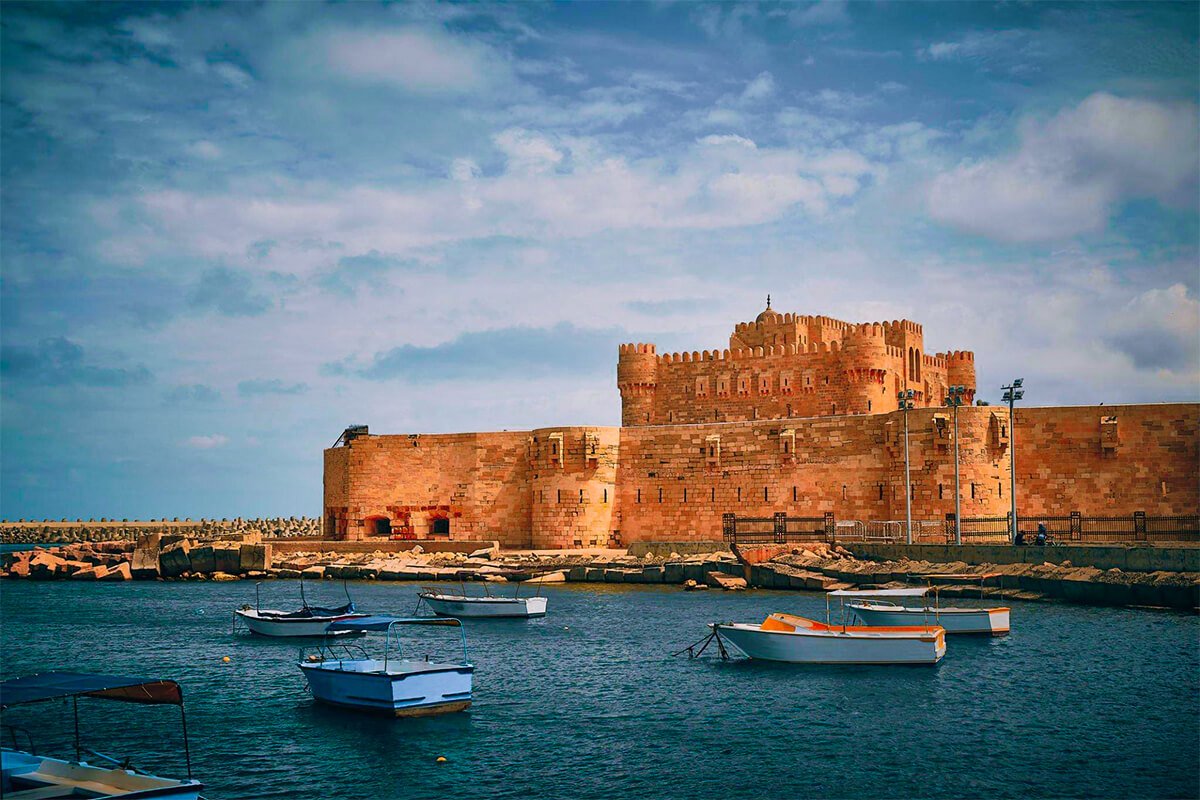
At its peak, Alexandria rivaled legendary cities like Rome and Athens. It was home to some of the greatest wonders ever built, including the famous Lighthouse of Alexandria (Pharos)—one of the Seven Wonders of the Ancient World—and the legendary Library of Alexandria, which once held the largest collection of knowledge in human history.
The city also served as the seat of the Ptolemaic dynasty, where figures like Cleopatra shaped the political and cultural landscape of the Mediterranean world. These landmarks made Alexandria not only a center of power but also a beacon of science, philosophy, and intellectual exchange.
🌆 A Living City of Layers and Culture
Despite centuries of earthquakes, invasions, and the passage of time, Alexandria has never lost its spirit. Today, it is Egypt’s second-largest city, where ancient history blends seamlessly with modern life.
Walking through Alexandria reveals a rich tapestry of civilizations:
- Roman ruins standing beside modern buildings
- Ottoman mosques alongside European-style villas
- Historic streets leading to contemporary cultural centers
This unique mix creates a city that feels both timeless and alive, offering visitors a rare chance to experience multiple eras in one place.
✨ Why Alexandria is More Than a Destination
Visiting Alexandria is not just about sightseeing—it’s about experiencing a lifestyle shaped by the Mediterranean. From exploring historic landmarks to enjoying quiet moments at seaside cafés, the city invites travelers to slow down and absorb its atmosphere.
Whether you’re:
- A history lover tracing ancient civilizations
- A food enthusiast seeking fresh Mediterranean seafood
- A traveler looking for an authentic Egyptian experience away from crowds
Alexandria delivers a journey that is both enriching and unforgettable.
🚀 What You’ll Discover in This Guide
In this ultimate Alexandria travel guide, you’ll uncover everything you need to plan the perfect trip—from iconic historical sites and hidden gems to local culture, beaches, and culinary experiences.
With expert tips and carefully curated insights, this guide will help you explore Alexandria like a seasoned traveler while maximizing your experience in one of Egypt’s most fascinating cities.
2. Why Alexandria Should Be on Your Travel List
🌍 A Unique Blend of Civilizations
Alexandria is far more than just a seaside destination—it’s a living mosaic of history, culture, and intellect. Known as the “Pearl of the Mediterranean,” the city once stood as a global crossroads where Egyptian, Greek, and Roman civilizations met and merged.
In ancient times, Alexandria was a thriving cosmopolitan hub. Its streets were filled with philosophers, traders, and scholars exchanging ideas that shaped the world. The influence of the legendary Library of Alexandria turned the city into a beacon of knowledge, attracting thinkers from across continents.
🏛️ A City That Rivaled Empires
During its golden age, Alexandria rivaled powerful cities like Rome in influence and sophistication. It wasn’t just a political center—it was a place where culture, science, and power intersected.
The legacy of Cleopatra adds another layer of fascination. Her alliances with Julius Caesar and Mark Antony played a major role in shaping the ancient Mediterranean world.
Although iconic landmarks like the Lighthouse of Pharos and Cleopatra’s palace have disappeared beneath the sea, their legacy still defines Alexandria’s identity today.
🌆 Authentic Egyptian Life by the Sea
What makes Alexandria truly special is its authenticity. Unlike heavily crowded tourist destinations, the city offers a more relaxed and genuine Egyptian experience.
In neighborhoods like Anfushi, you’ll find:
- Local cafés filled with conversation and tradition
- Fishermen bringing in fresh Mediterranean catch
- Families enjoying walks along the seafront
A stroll along the Alexandria Corniche reveals the true rhythm of daily life—where the sea, the city, and its people come together in perfect harmony.
🍽️ A Destination for Culture, Food & Exploration
Alexandria is a paradise for travelers who want more than just sightseeing. It offers a complete experience that blends:
- Rich historical landmarks
- Vibrant local culture
- Fresh Mediterranean cuisine
- Scenic coastal views
Whether you’re exploring ancient ruins, enjoying seafood by the sea, or discovering hidden streets, every moment in Alexandria feels authentic and immersive.
✨ Why Alexandria Stands Out
From Roman amphitheaters to breathtaking Mediterranean sunsets, Alexandria delivers a travel experience that is both relaxing and enriching. It’s the perfect destination for those who want to dive deeper into Egypt’s history while enjoying a slower, more atmospheric coastal vibe.
If you’re planning to visit Alexandria Egypt, this city deserves a top spot on your itinerary—not just for what it offers, but for how it makes you feel.
3. Exploring Alexandria’s Historic Treasures
3.1 Fort Qaitbey: Guardian of Alexandria’s Coast
🏰 A Fortress Built on Ancient Wonders
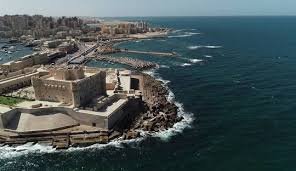
One of the most iconic landmarks in Alexandria is the impressive Fort Qaitbey. Standing at the eastern tip of Pharos Island, this historic fortress occupies the exact site where the legendary Lighthouse of Alexandria (Pharos) once stood—one of the Seven Wonders of the Ancient World.
Built in the 15th century by Al-Ashraf Qaitbay, the fort was designed to defend Alexandria against naval invasions. Its strategic location allowed it to control the Mediterranean coastline, making it one of the most important military strongholds in Egypt’s history.
⚔️ A Witness to Centuries of Conflict
Fort Qaitbey is more than just a fortress—it’s a silent witness to major historical events. Over the centuries, it played a role in regional conflicts, including the Ottoman–Habsburg wars and the French campaign in Egypt and Syria.
At different times, the fort even served as a prison during Ottoman rule. Today, it has been carefully restored and transformed into a museum showcasing:
- Military artifacts
- Navigational instruments
- Models of ancient ships
These exhibits bring Alexandria’s maritime history vividly to life.
🌊 What to See & Do at Fort Qaitbey
Exploring the fort is an immersive experience filled with history and breathtaking views. Visitors can:
- Walk through thick stone walls and ancient corridors
- Climb watchtowers overlooking the Mediterranean
- Explore inner courtyards rich in architectural detail
At the top, you’ll be rewarded with panoramic views of the sea and the lively Alexandria Corniche.
For photography lovers, this is one of the best things to do in Alexandria—especially during sunrise or sunset when golden light transforms the fortress into a stunning visual masterpiece.
✨ Why Fort Qaitbey is a Must-Visit
Even though the ancient lighthouse no longer exists, standing on this historic site allows you to imagine its grandeur. Fort Qaitbey beautifully connects the past with the present, offering a mix of history, architecture, and scenic beauty.
It remains one of the top Alexandria attractions for travelers seeking a deeper connection with the city’s heritage.
Insider Tip:
Combine your visit with a walk through the nearby Anfushi Fish Market to experience local life and enjoy fresh seafood by the sea.
3.2 Pompey’s Pillar and the Serapeum: Ancient Roman Majesty
🏛️ A Monument of Power and Engineering
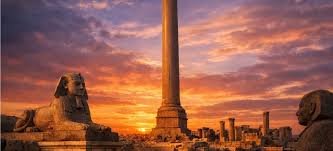
Another must-visit historic landmark in Alexandria is the towering Pompey’s Pillar. Rising حوالي 27 meters high, this massive red granite column was built in honor of the Roman Emperor Diocletian in the 4th century AD.
Despite its name, the pillar has no connection to Pompey the Great. Instead, it stands as one of the largest ancient monolithic columns ever erected outside Rome.
🏺 The Serapeum: A Lost Temple of Knowledge
Pompey’s Pillar stands within the ruins of the Serapeum, once the largest temple in Alexandria dedicated to the god Serapis. This sacred complex was not only a religious center but also a symbol of cultural fusion, blending Egyptian, Greek, and Roman traditions.
Historians believe the Serapeum also housed part of the collections of the ancient Library of Alexandria, making it a significant site for knowledge and scholarship.
🔍 Exploring the Underground Catacombs
Beneath the temple lies a fascinating underground world of chambers and tunnels. Visitors can explore:
- Ancient sarcophagi and burial niches
- Detailed carvings combining multiple artistic styles
- Statues and inscriptions reflecting cultural diversity
The mix of Egyptian symbolism with Greco-Roman design makes this site one of the most unique historical experiences in Egypt.
📍 A Perfect Stop for History Lovers
Located near other key attractions like Kom el-Dikka and the Catacombs of Kom El Shoqafa, this site is ideal for a full day of exploration in central Alexandria.
Its towering structure and surrounding ruins make it a favorite for photographers and history enthusiasts alike.
✨ Why You Should Visit
Pompey’s Pillar and the Serapeum offer a rare glimpse into Alexandria’s Roman past. The site combines monumental architecture, religious history, and underground exploration—making it one of the most compelling historic sites in Alexandria Egypt.
3.3 Catacombs of Kom Al Shuqafa: A Multicultural Underground Wonder
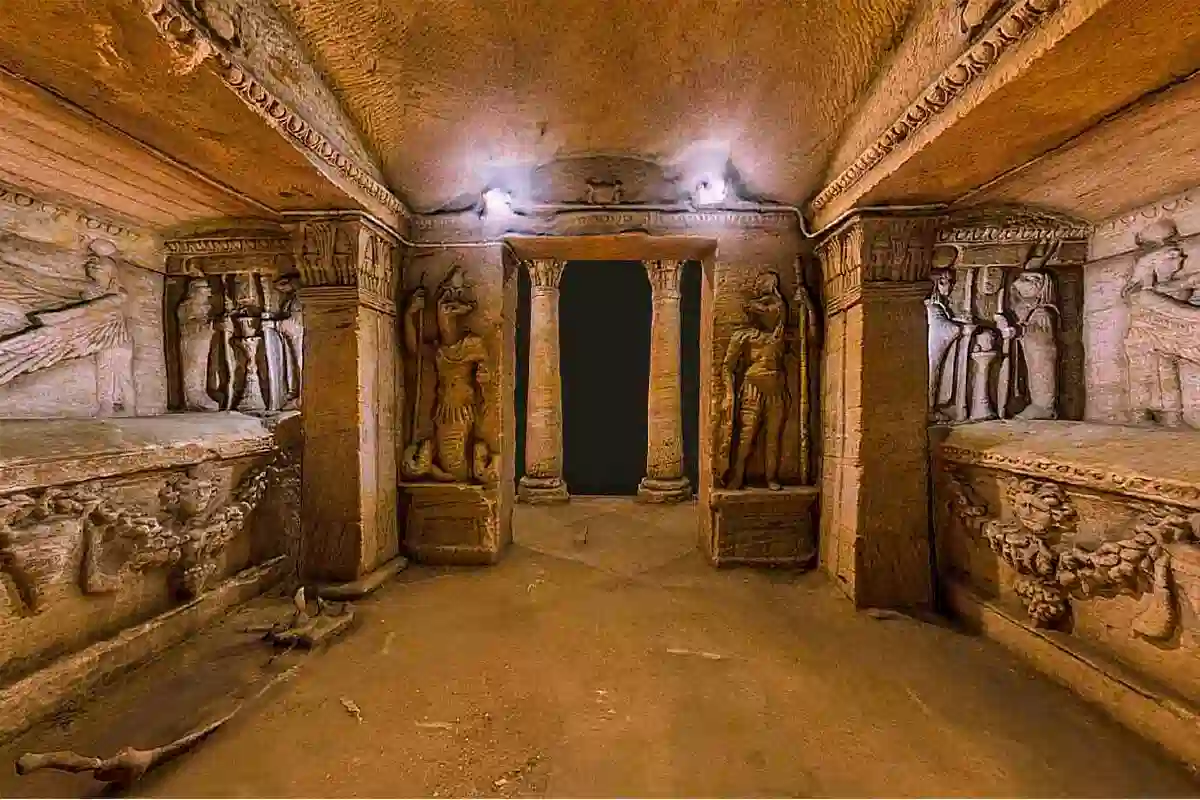
🏺 A Hidden World Beneath Alexandria
Among the most fascinating historical sites in Alexandria Egypt lies the remarkable Catacombs of Kom El Shoqafa. Discovered by accident in 1900, this underground necropolis is one of the most unique archaeological attractions in Egypt.
Often referred to as one of the Seven Wonders of the Medieval World, the catacombs offer far more than a burial site—they reveal the cultural fusion that defined Alexandria during the Roman era.
🏛️ A Three-Level Journey Through Time
The Catacombs of Kom Al Shuqafa extend across three underground levels, each showcasing a different aspect of ancient funerary traditions:
- Upper Level: Features elaborately carved halls and niches used for burials and commemorative statues
- Middle Level (Hall of Caracalla): A circular chamber used for funerary feasts and rituals, decorated with intricate zodiac carvings
- Lower Level: Contains tombs, sarcophagi, and crypts with detailed reliefs and symbolic artwork
Descending through the spiral staircase feels like stepping deeper into history, where every level reveals new layers of artistic and religious expression.
🎭 A Unique Fusion of Cultures
What truly sets this site apart is its extraordinary blend of civilizations. Inside the catacombs, you’ll find:
- Egyptian gods dressed in Roman attire
- Greek inscriptions alongside pharaonic symbols
- Artistic elements combining three major cultures
This fusion reflects Alexandria’s role as a cosmopolitan center where Egyptian, Greek, and Roman influences coexisted and evolved together.
Walking through the narrow corridors, visitors can almost feel the presence of ancient inhabitants and the cultural richness that once defined the city.
🔍 What to Expect During Your Visit
Exploring the catacombs is both immersive and educational. Visitors can:
- Navigate underground chambers and passageways
- Observe detailed carvings and statues up close
- Learn about burial customs and religious symbolism
While self-guided tours are available, hiring a local guide can greatly enhance the experience by providing deeper historical context and interpretation.
📸 Travel Tips for Visitors
To make the most of your visit, keep these insider tips in mind:
- Visit early in the morning to avoid crowds
- Wear comfortable shoes for uneven surfaces
- Use a flashlight or phone light in dim areas
- Bring a camera suitable for low-light photography
For a complete historical experience, combine your visit with nearby attractions like Pompey’s Pillar and Kom el-Dikka.
✨ Why This Site is a Must-Visit
The Catacombs of Kom Al Shuqafa offer something truly different from other Egyptian archaeological sites. Instead of monumental temples, you’ll discover an intimate and detailed world that reflects everyday beliefs, artistic expression, and cultural integration.
For history lovers, photographers, and curious travelers, this site is one of the top things to do in Alexandria Egypt—a journey into the hidden layers of the city’s past.
3.4 Kom el-Dikka: Roman Residential Area and Amphitheatre
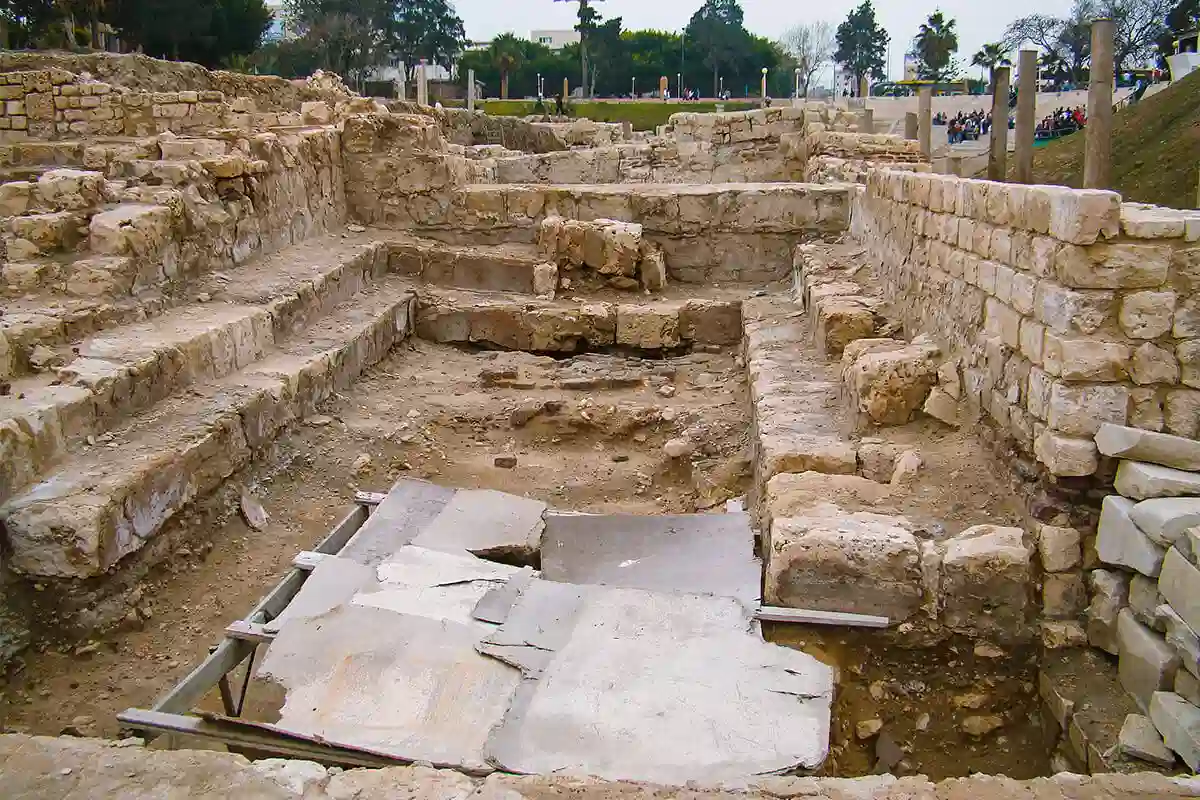
🏛️ Step Back into Roman Alexandria
Kom el-Dikka, meaning “Mound of Rubble,” is one of the most intriguing historical sites in Alexandria Egypt. Located in the heart of the city, this archaeological complex offers a rare glimpse into daily life during the Roman era, preserving residential quarters, public spaces, and entertainment venues dating from the 1st to 4th centuries AD.
For travelers fascinated by architecture, history, and cultural heritage, Kom el-Dikka Alexandria provides an immersive journey into the city’s past.
🎭 The Roman Amphitheatre: Culture Meets Academia
The site’s highlight is the Roman amphitheatre, capable of seating approximately 800 spectators. Recent studies indicate that this was more than just an entertainment venue—it may have functioned as the Auditorium Maximum of an ancient university, hosting lectures, debates, and theatrical performances.
This dual role reflects Alexandria’s intellectual and cultural significance, linking Roman entertainment traditions with the city’s scholarly legacy. Standing in the amphitheatre, visitors can almost imagine students, philosophers, and citizens gathered to discuss knowledge, art, and politics—a vibrant scene of learning and performance.
🏠 Residential Ruins and Mosaics
Beyond the amphitheatre, Kom el-Dikka preserves:
- Residential ruins and villas, including the famous Villa of the Birds, renowned for its mosaic floors depicting various bird species
- Public baths and courtyards that illustrate Roman social life
- Narrow streets that evoke the rhythm of ancient daily life, from children playing to merchants selling goods
The mosaics are exceptionally well-preserved, showcasing the artistic tastes and domestic lifestyles of affluent Alexandrians. Walking these areas provides a tangible connection to the past, far more intimate than monumental ruins alone.
🏺 Artifacts and Archaeological Finds
Kom el-Dikka also houses a rich collection of Roman-era artifacts: pottery, coins, statues, and household items. These relics reconstruct the social, economic, and cultural practices of ancient Alexandria, revealing how Egyptian traditions, Greek influences, and Roman architecture merged seamlessly in one multicultural urban environment.
📌 Visitor Experience Tips
- Guided walking tours: Hiring a knowledgeable local guide helps explain the significance of mosaics, amphitheatre functions, and residential architecture
- Photography: Excellent opportunities to capture mosaics and amphitheatre layouts, but avoid stepping on fragile surfaces
- Best timing: Morning or late afternoon visits avoid the midday heat and allow exploration alongside Pompey’s Pillar or the Catacombs of Kom Al Shuqafa
- Accessibility: Wear comfortable shoes due to uneven surfaces and occasional steps
✨ Why Kom el-Dikka is a Must-See
Unlike larger monuments, Kom el-Dikka allows visitors to experience the everyday life of ancient Alexandrians, from grand public events to intimate domestic scenes. It showcases Alexandria’s role as both a cultural hub and educational centre in antiquity, offering a deeply personal connection to history.
For history enthusiasts, archaeologists, and travelers seeking authentic experiences, Kom el-Dikka is an essential stop on any Alexandria travel guide.
3.5 Alexandria National Museum: A Journey Through Time

The Alexandria National Museum is an essential destination for anyone exploring the rich history and cultural heritage of Alexandria, Egypt. Housed in the beautifully restored Al-Saad Bassili Pasha Palace, the museum offers more than exhibits—it’s a journey through millennia, showcasing the city’s evolution from ancient pharaonic civilization to modern times.
📍 Location & Architecture
Located on Tariq Al-Horreya Street, in the heart of Alexandria, the museum occupies a palace that is itself a work of art. Its architecture blends Italianate styles with traditional Egyptian design, reflecting the elegance of Alexandria’s elite society. Walking through the halls feels like stepping into the opulent past, while the exhibits connect visitors directly to the city’s ancient roots.
🏺 Collections & Exhibits
The museum is organized across three floors, each dedicated to a different historical era:
1. Pharaonic Era
- Discover statues, jewelry, pottery, and coins from ancient Egypt.
- Exhibits include intricate figurines and everyday items, providing a vivid look at daily life, religion, and funerary practices.
2. Greco-Roman Period
- Showcases Alexandria under Greek and Roman influence.
- Includes statues of Cleopatra VII and Julius Caesar, busts of Roman emperors, coins, and terracotta figurines.
- Highlights the fusion of Greek and Egyptian culture, illustrating Alexandria’s status as a cosmopolitan hub of learning and art.
3. Coptic & Islamic Eras
- Explores Alexandria’s Coptic Christian and early Islamic heritage.
- Features ceramics, textiles, manuscripts, and religious artifacts, reflecting centuries of multicultural and spiritual diversity.
✨ Special Highlights
- Tanagra Collection: Hellenistic terracotta figurines capturing daily life and human expressions in exquisite detail.
- Mummy Rooms: Preserved mummies with funerary artifacts, revealing ancient beliefs about the afterlife.
- Royal Artifacts: Luxurious items from Alexandria’s elite, showcasing craftsmanship, status, and societal hierarchy.
🧭 Visitor Tips
- Time Planning: Allocate 2–3 hours for a thorough experience.
- Photography: Photos are allowed in some areas without flash—perfect for capturing intricate statues and mosaics.
- Guided Tours: Hiring a local guide enhances the visit with context and historical insights.
- Nearby Attractions: Combine your visit with a stroll along the Corniche or a short trip to Pompey’s Pillar for a complementary exploration of Alexandria’s past.
🎯 Why Visit Alexandria National Museum?
The museum offers a comprehensive journey through Alexandria’s rich history, from ancient pharaohs to the Roman period and beyond. It’s ideal for history enthusiasts, families, and curious travelers seeking a deeper understanding of how Alexandria became a cosmopolitan center of art, religion, and learning. Unlike other museums focusing on a single era, this museum shows the continuity and transformation of civilizations in one cohesive experience.
3.6 Greco-Roman Museum: Alexandria’s Fusion of Cultures
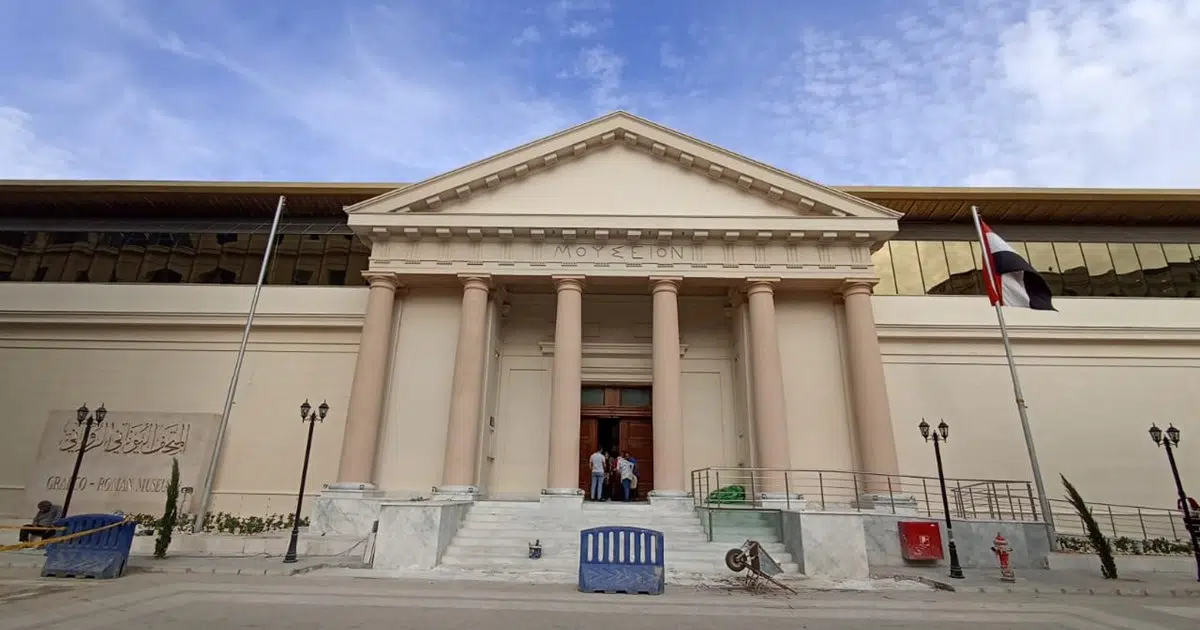
The Greco-Roman Museum in Alexandria is a fascinating window into the city’s past, showcasing how Egyptian traditions merged seamlessly with Greek and Roman influences. Established in 1892, it is one of Alexandria’s oldest cultural institutions, offering an immersive journey for history enthusiasts, students, and curious travelers alike.
📍 Location & Building
Located near the Corniche and central Alexandria, the museum occupies a historic building reflecting the late 19th-century architectural elegance. Its central location makes it a convenient stop when exploring the city’s major cultural landmarks, connecting effortlessly with the National Museum and Pompey’s Pillar.
🏺 Collections & Highlights
1. Sculptures & Busts
- Houses marble and limestone statues of Egyptian gods alongside Greek and Roman figures.
- Busts of emperors, philosophers, and notable citizens illustrate Alexandria’s cosmopolitan society during the Hellenistic and Roman eras.
2. Pottery & Ceramics
- Vases, amphorae, and domestic pottery reflect daily life, trade, and artistic trends.
- Designs often blend Egyptian symbolism with Greek artistic styles, highlighting the city’s cultural fusion.
3. Coins & Currency
- Coins from Ptolemaic rulers, Roman emperors, and local governors trace political power, commerce, and cultural exchange.
- Each coin tells a story of Alexandria’s economic and social history.
4. Mosaics & Reliefs
- Stunning mosaics and relief carvings depict mythological scenes, daily activities, and religious rituals.
- Demonstrates the artistic synthesis that defined Alexandria’s Greco-Roman era.
🧭 Visitor Experience
- Time Required: 1.5–2 hours, depending on interest in sculptures and artifacts.
- Photography: Non-flash photos are allowed in most galleries; flash is prohibited.
- Guided Tours: A knowledgeable guide or audio guide can greatly enrich your visit, explaining the historical context and the connections between artifacts.
🎯 Why Visit the Greco-Roman Museum?
- Cultural Insight: Understand Alexandria as a city where Egyptian, Greek, and Roman cultures intertwined.
- Historical Context: Discover daily life, governance, trade, and artistic practices in ancient Alexandria.
- Educational for All Ages: Exhibits appeal to families, scholars, and tourists alike, offering a complete view of the city’s intellectual and artistic heritage.
Visiting the Greco-Roman Museum pairs perfectly with trips to the Bibliotheca Alexandrina, Pompey’s Pillar, and the National Museum, creating a cohesive historical narrative for any traveler exploring Alexandria.
3.7 Bibliotheca Alexandrina: A Modern Tribute to Ancient Knowledge

No visit to Alexandria is complete without stepping into the Bibliotheca Alexandrina, a stunning modern library that honours the legendary ancient Library of Alexandria. More than a library, it serves as a cultural and intellectual hub, where knowledge, art, and science converge along the Mediterranean coastline.
📜 History & Purpose
Inaugurated in 2002, the Bibliotheca Alexandrina was built to commemorate the lost glory of the ancient library, which once housed hundreds of thousands of scrolls and manuscripts. Today, it symbolizes learning, cultural preservation, and Alexandria’s heritage as a center of knowledge and innovation.
🏛 Architecture & Design
- Designed by the Norwegian firm Snøhetta, the library is an architectural masterpiece.
- Its circular reading room resembles a sundial, allowing natural light to flood the space through a magnificent glass roof.
- The exterior walls feature engraved letters from over 120 scripts, representing the diversity of human languages.
- Positioned on the Mediterranean waterfront, the library offers serene views, perfect for reading, studying, or enjoying the coastal scenery.
🖼 Museums & Exhibitions
The Bibliotheca Alexandrina hosts several specialized museums and cultural spaces:
- Manuscript Museum
- Houses rare manuscripts, ancient texts, and unique documents, offering insights into Egypt’s literary and scholarly heritage.
- Antiquities Museum
- Displays artifacts from ancient Egypt, Greece, and Rome, complementing visits to the National Museum and Greco-Roman Museum.
- Planetarium & Science Center
- Features interactive exhibits, immersive astronomy shows, and educational workshops, ideal for families and science enthusiasts.
- Art Galleries & Cultural Centres
- Rotating exhibitions showcase modern art, photography, and cultural projects, reflecting Alexandria’s ongoing creative evolution.
🧭 Visitor Experience
- Time Required: 2–3 hours for a full visit, especially if exploring the planetarium, museums, and library halls.
- Guided Tours: Audio guides or expert-led tours provide deeper insights into the library’s design, collections, and significance.
- Events & Workshops: Check the official website for seminars, lectures, and workshops that may coincide with your visit.
🎯 Why Visit the Bibliotheca Alexandrina?
- Educational Immersion: Explore ancient knowledge, Egyptian history, and Alexandria’s intellectual legacy.
- Architectural Marvel: Experience the blend of contemporary design and cultural symbolism.
- Family-Friendly: Interactive exhibits make it perfect for children and educational exploration.
- Photographic Opportunity: The geometric interior design and Mediterranean views offer stunning photography spots.
Visiting the Bibliotheca Alexandrina is more than just a library; it is a journey through Alexandria as a city of continuous learning, where the past meets the present in a mesmerizing cultural experience. Pair your visit with Kom el-Dikka, Pompey’s Pillar, or the National Museum to capture the full historical and intellectual narrative of Alexandria.
4. Mosques, Churches & Multicultural Heritage in Alexandria
Alexandria is not only a city of ancient ruins and libraries; it is also a vibrant tapestry of religious and cultural heritage. The city reflects centuries of coexistence between Islamic, Christian, and Jewish communities, and exploring its sacred sites offers deep insights into Alexandria’s multicultural identity.
4.1 Abu Abbas al-Mursi Mosque
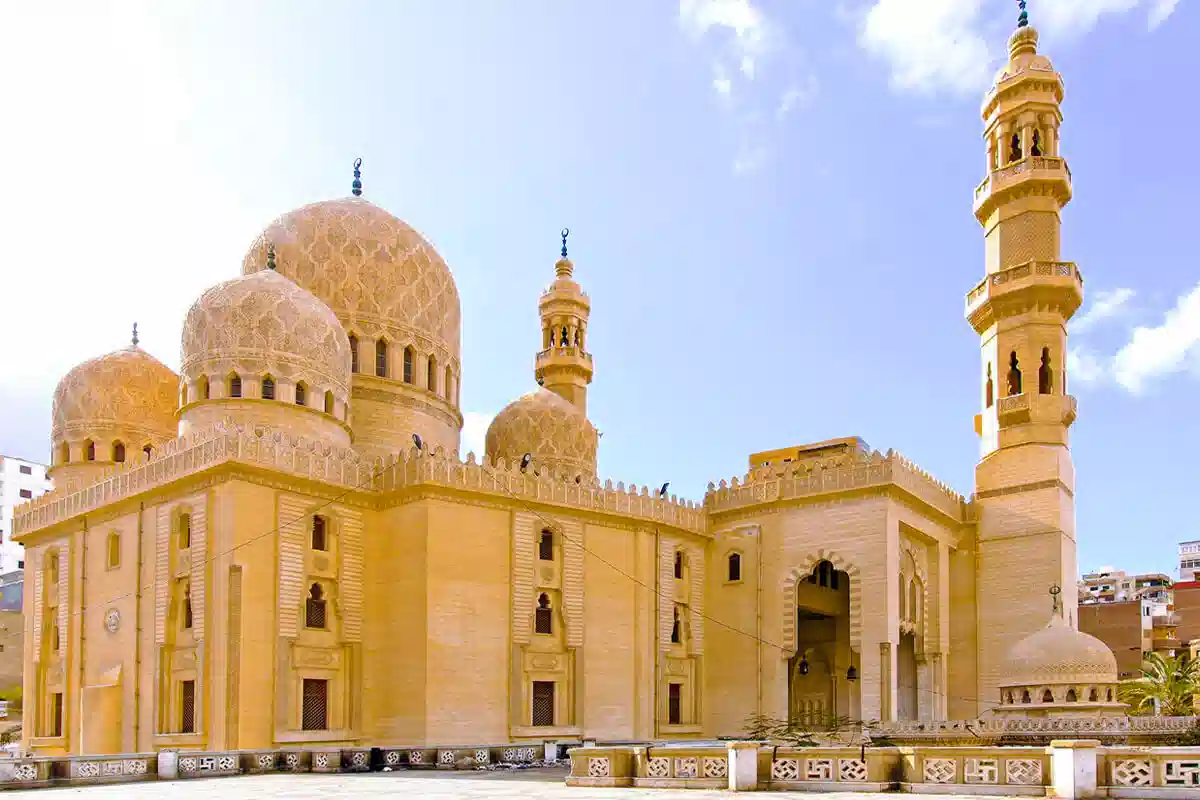
One of the most iconic religious landmarks in Alexandria, the Abu Abbas al-Mursi Mosque, is located in the Anfushi neighborhood, right along the Mediterranean coast. The mosque combines Islamic architecture with Mediterranean aesthetics, creating a striking visual experience.
History:
- Named after the Andalusian Sufi saint Abu Abbas al-Mursi.
- The original mosque was founded in the 13th century, while the current structure dates to the 18th century.
- It has undergone several renovations to maintain its grandeur and intricate design.
Architecture:
- Features white stone walls, elegant domes, and towering minarets visible from afar.
- Interior adorned with elaborate woodwork, calligraphy, and decorative tiles, reflecting a blend of Moorish and Egyptian Islamic styles.
Visitor Experience:
- The main prayer hall showcases a large central dome.
- The minaret offers panoramic views of Alexandria and the Mediterranean.
- Learn about Sufism and observe the devotion of worshippers.
Tips:
- Dress modestly and remove shoes before entering.
- Visit during non-prayer hours for photography and exploration.
4.2 Sidi Morsi Mosque
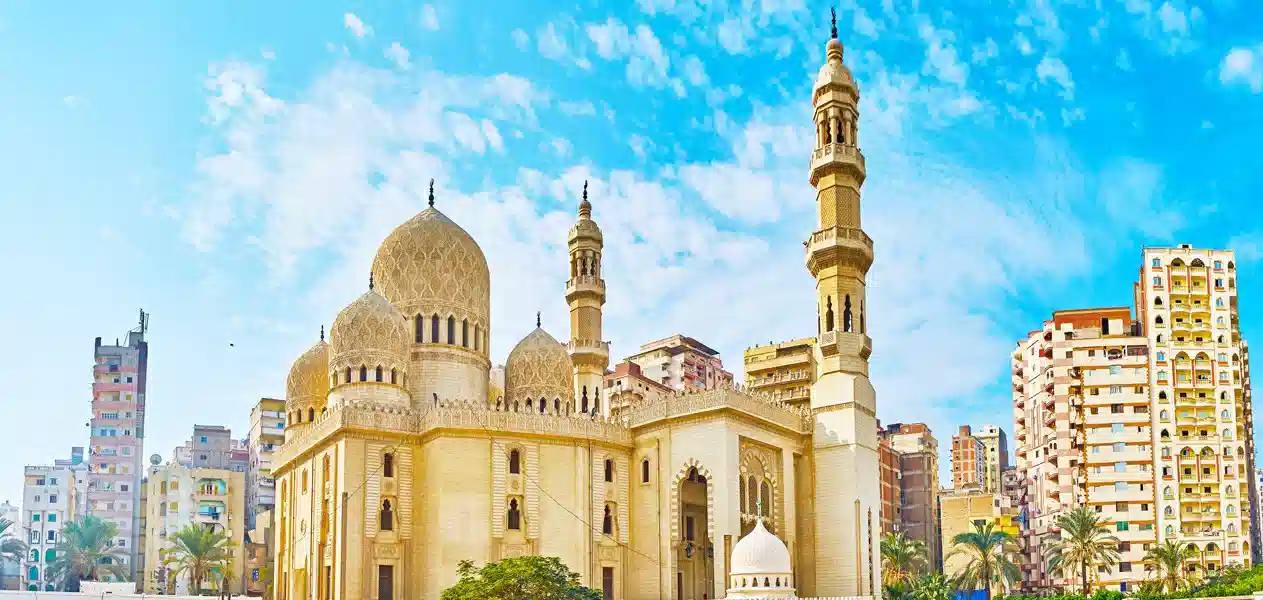
The Sidi Morsi Mosque is the largest mosque in Alexandria and a must-visit for those interested in religious and architectural history.
History & Significance:
- Built in the early 20th century.
- Dedicated to the Sufi saint Abu al-Abbas al-Mursi, buried nearby in 1287.
- Its design inspired the Sheikh Zayed Mosque in Abu Dhabi, highlighting its architectural influence.
Architecture & Design:
- Spacious courtyards and intricate stone carvings.
- Multiple domes create a serene environment for contemplation and photography.
Visitor Tips:
- Explore the mosque quietly, respecting local customs.
- Use the surrounding areas for panoramic shots of Alexandria’s coastline.
4.3 Coptic Cathedral & Eliyahu Hanavi Synagogue
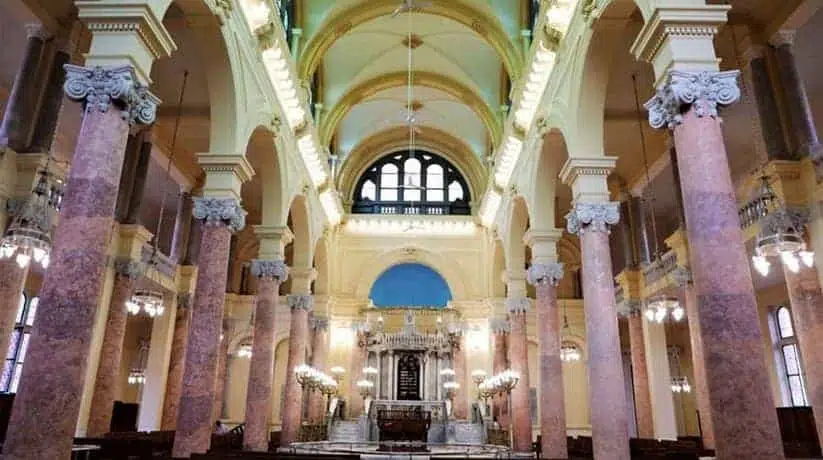
Alexandria has a rich multicultural history, with small but historically significant Coptic Christian and Jewish communities.
St. Mark’s Coptic Cathedral:
- One of the city’s oldest churches, located in the heart of the bazaar area.
- Reflects Alexandria’s Christian heritage and historical continuity.
Eliyahu Hanavi Synagogue:
- The largest synagogue in Egypt, rebuilt in the 19th century.
- Represents the Jewish community’s historical presence in Alexandria.
Security & Access:
- Both sites have experienced security concerns; entry is allowed but sometimes restricted.
Cultural Insight:
- Visiting these landmarks reveals Alexandria’s historical tolerance and religious diversity, emphasizing its role as a melting pot of cultures.
🌟 Why Visit Religious Landmarks in Alexandria?
Visiting mosques, cathedrals, and synagogues offers not only architectural beauty but also cultural depth, highlighting Alexandria as a city where history, faith, and daily life converge. Pair your visits with a stroll through Anfushi or along the Corniche to experience Alexandria’s spiritual and social life fully.
5. Strolling Through Neighborhoods & Streets in Alexandria
One of the best ways to experience Alexandria is on foot, exploring its historic neighborhoods and lively streets. Unlike guided tours that focus only on monuments, walking lets you immerse yourself in local life, feel the sea breeze, and discover hidden gems. From ancient districts to modern waterfronts, every corner tells a story of the city’s vibrant culture and history.
5.1 Anfushi Neighbourhood & Fish Market
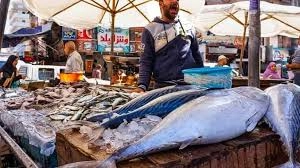
The Anfushi neighborhood is one of Alexandria’s oldest areas, tracing its roots to the ancient village of Rhakotis. Walking its narrow streets feels like stepping back in time, yet the area remains vibrantly alive with daily life.
Local Life:
- Residents spend much of their time outdoors, creating lively street scenes.
- Small shops, cafés, and street vendors offer a glimpse into authentic Alexandrian culture.
Anfushi Fish Market:
- Located just south of Fort Qaitbey, it is busiest in the early morning when fishermen bring in the fresh catch.
- The market is bustling, colorful, and full of energy, with locals negotiating prices and tasting seafood.
Culinary Tip:
- Try local specialties like shrimp molokhiya or freshly grilled fish at nearby stalls or restaurants.
Photography & Interaction:
- Perfect for street photography and engaging with friendly locals who enjoy showing off their city.
Exploring Anfushi offers a cultural immersion, combining history, food, and authentic street life into a single walking tour.
5.2 The Corniche & Stanley Bridge
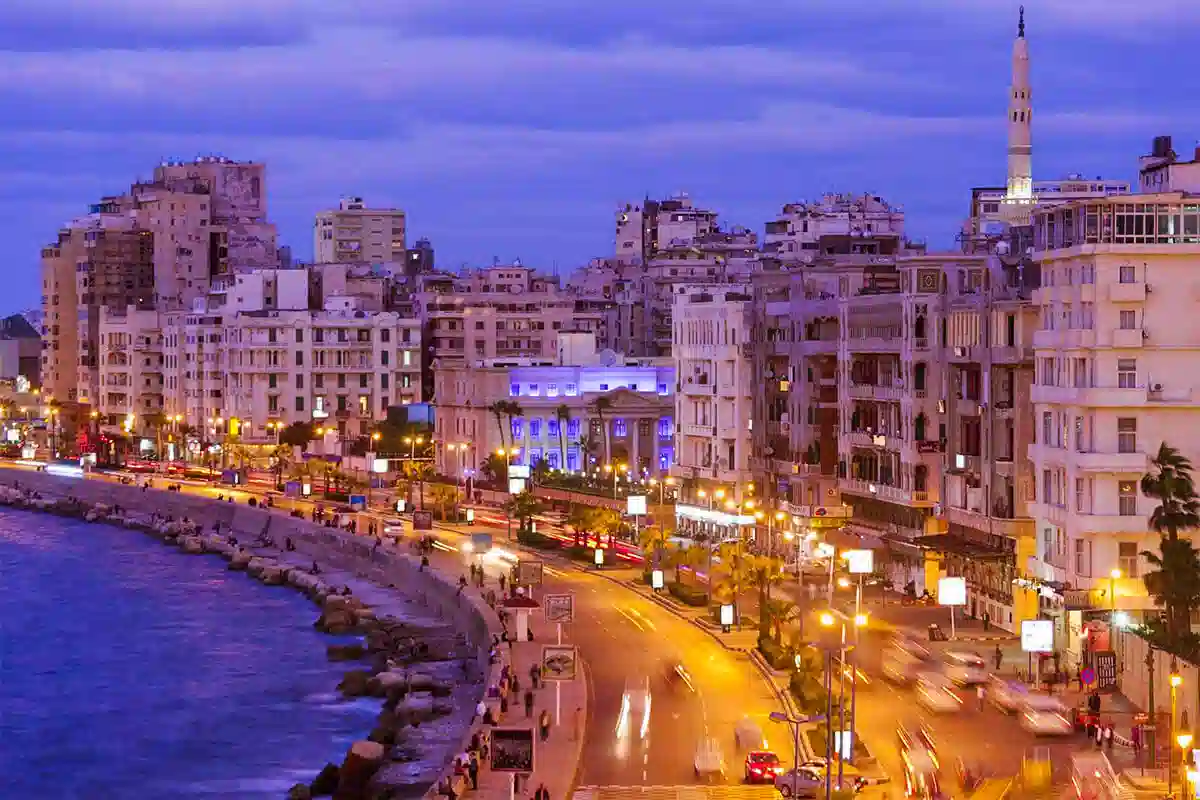
The Alexandria Corniche is a scenic waterfront promenade stretching from Fort Qaitbey along the coast to Montaza Palace, offering stunning views of the Mediterranean.
Scenic Walks:
- Walking along the Corniche at sunset is magical, with families, couples, fishermen, and street vendors creating a lively atmosphere.
Cafés & Restaurants:
- Numerous waterside eateries serve fresh seafood, coffee, and tea, perfect for enjoying the glimmering sea horizon.
Stanley Bridge:
- A modern cable-stayed bridge, connecting the Stanley neighborhood with the Corniche.
- Walking or driving across it provides panoramic views of the coastline, ideal for photographers.
Local Interaction:
- The Corniche is a hub for locals to fish, exercise, socialize, and enjoy the outdoors.
- Joining them gives visitors a chance to experience Alexandria like a local.
The Corniche combines relaxation, scenic beauty, and vibrant life, making it an essential stop on any Alexandria itinerary.
5.3 French Colonial Architecture & Alexandria Bazaar
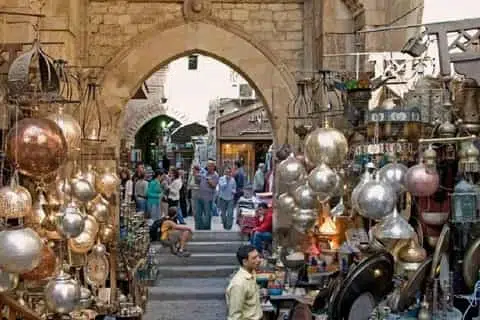
Alexandria’s streets also reflect its colonial past, particularly the French influence of the 18th and 19th centuries.
French Villas & Opera House:
- Neoclassical and neo-Gothic buildings, including the Alexandria Opera House, showcase the city’s cosmopolitan golden age.
- Many villas are now rundown but still reveal architectural elegance.
Alexandria Bazaar:
- Nestled behind the French seaside buildings, the bazaar is always bustling with local life and culture.
- Though less ornate than other Middle Eastern markets, it is rich in culinary and cultural experiences.
Culinary Highlights:
- Street food, Egyptian dishes, and small restaurants offer traditional meals reflecting Alexandria’s fusion of cultures.
Shopping & Souvenirs:
- Explore local crafts, spices, textiles, and unique souvenirs.
- Interacting with vendors provides insight into Alexandrian bargaining culture.
Walking through these streets allows visitors to experience Alexandria’s layered history—from ancient Anfushi to French colonial elegance and the bustling local markets. It’s a journey that blends sightseeing, culture, and culinary delights in one immersive stroll.
6. Palaces, Gardens & Coastal Luxury in Alexandria
Alexandria is not only a city of ancient ruins and bustling streets; it also offers grand palaces, expansive gardens, and luxurious seaside experiences. From royal retreats to meticulously landscaped gardens, this side of Alexandria is perfect for travelers who appreciate history, nature, and Mediterranean leisure.
6.1 Montazah Gardens
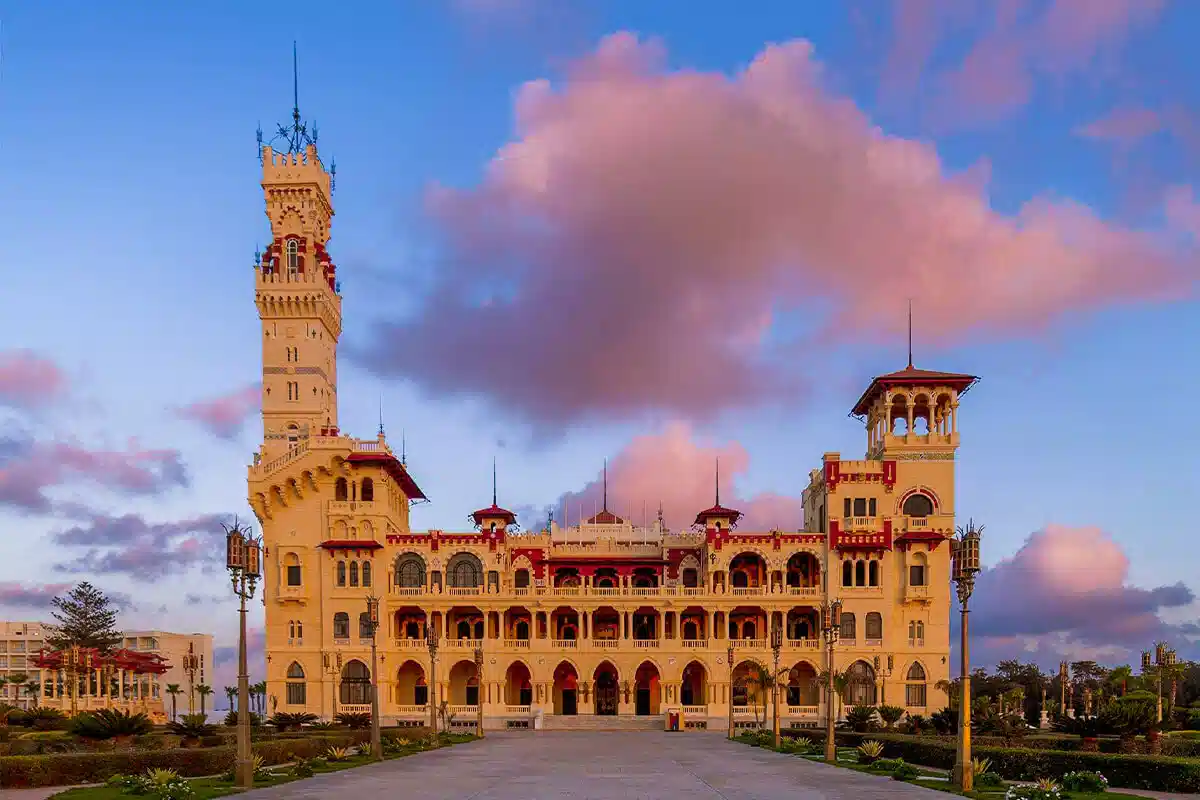
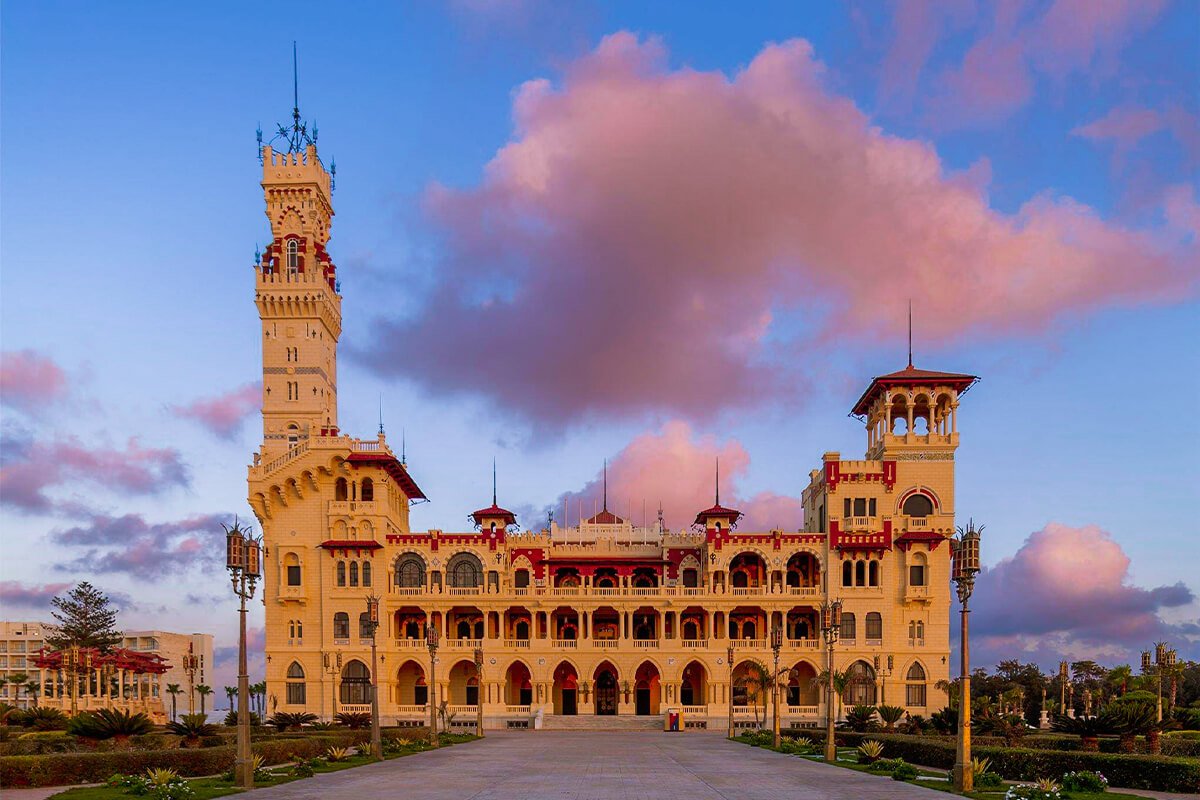
Montazah Gardens is a sprawling 150-acre coastal oasis, formerly the private grounds of Egypt’s royal family. Today, it blends history, nature, and relaxation, attracting locals and tourists alike.
Historical Background:
- The gardens were part of Montazah Palace, built in the late 19th century as a summer residence for Egypt’s royals.
- The palace combines Ottoman and Florentine architectural styles, offering a visual delight even from the outside.
Gardens & Landscapes:
- Lush lawns, palm-lined avenues, colorful flowerbeds, and shaded pathways provide peaceful walking areas.
- Discover hidden fountains, statues, and quiet corners, ideal for photography or reflective moments.
Beaches & Waterfront:
- Montazah Gardens opens onto sandy beaches for swimming, sunbathing, or water sports like paddleboarding and kayaking.
- Calm Mediterranean waters make it family-friendly, with safe zones for children.
Cafés & Dining:
- Several cafes and restaurants offer refreshing drinks and meals with panoramic sea views.
- Perfect for relaxing after a walk or watching the sunset over the Mediterranean.
Photography Opportunities:
- The combination of historic architecture, vibrant gardens, and coastal scenery makes Montazah Gardens one of Alexandria’s most Instagram-worthy spots.
Visiting Montazah Gardens is a blend of history, nature, and leisure, ideal for morning strolls, afternoon picnics, or sunset photography sessions.
6.2 Ras el-Tin Palace
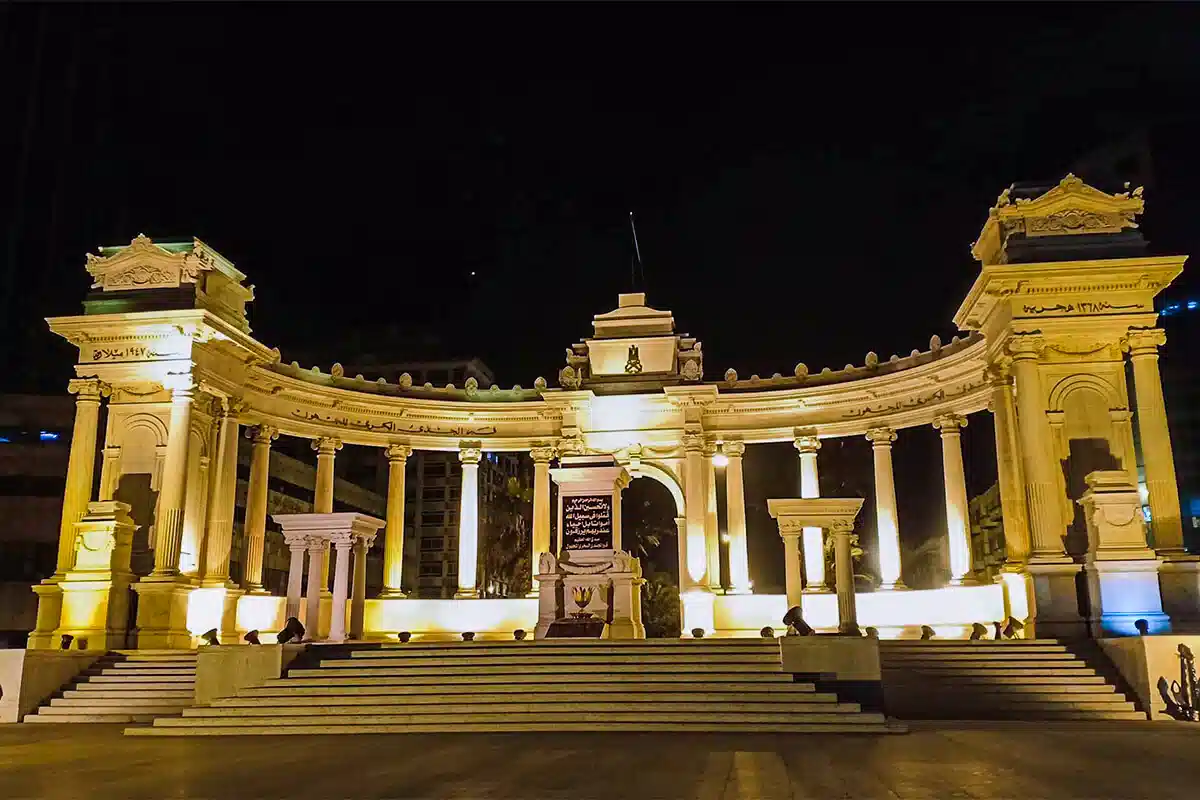
Ras el-Tin Palace is a historic gem located at the eastern tip of Pharos Island, offering a glimpse into Egypt’s royal past.
Historical Significance:
- Originally a summer residence for Ottoman rulers, later favored by Egypt’s royal family.
- Its location near the ancient Pharos Lighthouse underscores its historical importance.
Architectural Style:
- The palace blends Ottoman, Florentine, and French influences, seen in its elegant façade, grand courtyards, and intricate details.
- Interior access is limited, but the exterior provides stunning views of royal design and Mediterranean architecture.
Surroundings & Views:
- Visitors enjoy panoramic Mediterranean views, peaceful gardens, and glimpses of the Ras el-Tin Naval Base.
- Ideal for photography or a tranquil seaside stroll.
Cultural Insight:
- Ras el-Tin Palace allows travelers to imagine the lifestyle of kings and sultans, admiring the fusion of historical influences in its design.
This palace is a must-visit for history enthusiasts and architecture lovers, combining cultural insight with breathtaking coastal scenery.
6.3 Royal Jewelry Museum
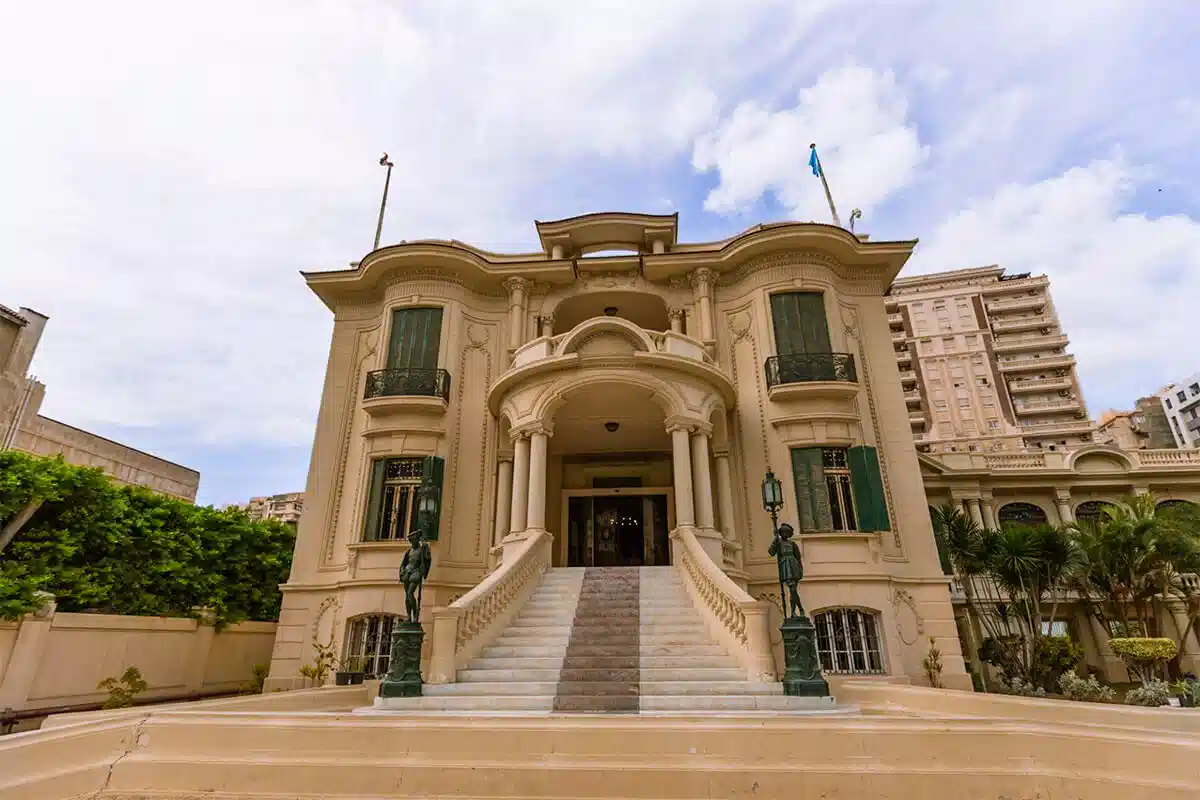
Located in the Zizenia neighborhood, the Royal Jewelry Museum offers a dazzling glimpse into Egypt’s opulent royal past.
Collection Highlights:
- Houses exquisite jewelry and luxury artifacts from Egypt’s royal families.
- Features King Farouk’s crown, Queen Farida’s necklaces, bracelets, earrings, tiaras, and personal items like watches and cigarette cases.
Historical Insight:
- Beyond its sparkle, the collection narrates the story of Egypt’s monarchy, revealing tastes, lifestyle, and the social hierarchy of the elite.
Architecture & Surroundings:
- Housed in a former palace near Montazah Gardens, the museum is a masterpiece of early 20th-century architecture.
- Surrounding gardens and coastal walks offer a combined cultural and leisure experience.
Visitor Experience:
- Admire fine craftsmanship, learn about royal traditions, and explore Egypt’s historical transformations from monarchy to modern state.
The Royal Jewelry Museum is perfect for travelers seeking a luxurious, educational, and visually stunning experience in Alexandria.
7. Beaches, Diving & Waterfront Adventures in Alexandria
Alexandria isn’t just a city of history, palaces, and gardens—it’s also a Mediterranean paradise for beach lovers, adventure seekers, and diving enthusiasts. Its coastline offers sunny beaches, thrilling water sports, and even submerged archaeological wonders, making it a must-visit destination for travelers who love the sea.
7.1 Mamoura Beach
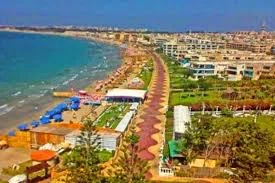
Mamoura Beach is one of Alexandria’s most popular seaside escapes, perfect for both locals and tourists seeking sun, sand, and leisure.
Location & Accessibility:
- Situated in the eastern part of Alexandria, easily reachable by taxi, private car, or public transport.
- Ideal for a day trip or seaside retreat from the city center.
Scenery & Relaxation:
- Golden sands, clear blue waters, and panoramic Mediterranean views create a peaceful environment.
- Perfect for sunbathing, family picnics, or leisurely strolls.
- Gentle waves make it child-friendly and suitable for beginner swimmers.
Water Sports & Activities:
- Adventure seekers can try jet skiing, paddleboarding, and banana boat rides.
- Casual visitors can swim, relax, or enjoy the sea breeze along the shore.
Promenade & Amenities:
- The promenade is lined with cafés, restaurants, and gardens.
- Facilities include beach chairs, umbrellas, showers, and clean restrooms for a comfortable visit.
Photography & Sunset Views:
- Vibrant seascapes, golden sands, and coastal greenery make it ideal for photography, especially at sunset when the Mediterranean glows in warm hues.
Visiting Mamoura Beach offers the perfect combination of relaxation, recreation, and scenic beauty, making it a top waterfront destination in Alexandria.
7.2 Cleopatra’s Palace Underwater Ruins
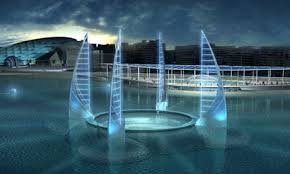
For those seeking adventure and history, the underwater ruins of Cleopatra’s Palace provide a unique diving experience unlike any other in Alexandria.
Historical Background:
- The ruins belong to Cleopatra’s grand palace complex, submerged over centuries due to earthquakes and tidal activity.
- They offer a glimpse into Ptolemaic-era architecture and royal life.
Diving Experience:
- Recommended for experienced divers, with submerged columns, statues, and palace foundations.
- Divers can explore remnants of royal halls, Egyptian artifacts, and sculptural details.
Archaeological Significance:
- The site includes stone statues, sphinxes, pottery fragments, and preserved architectural patterns lost on land.
- Offers insights into Alexandria’s grandeur during Cleopatra’s reign.
Adventure & Discovery:
- Combines archaeology with marine beauty, providing a thrilling, immersive, and educational experience.
Exploring Cleopatra’s Palace underwater ruins is ideal for diving enthusiasts who want to blend historical exploration with adventure tourism in Alexandria.
7.3 Aboukir District

The Aboukir District is a coastal gem, offering both historical depth and seaside relaxation.
Historical Significance:
- Famous for the Battle of Aboukir (1798) during the Napoleonic Wars, where Napoleon’s fleet was defeated by the British.
- The Aboukir Naval Museum showcases artifacts, ship models, and Egypt’s rich maritime history.
Beaches & Waterfront:
- Sandy beaches and calm waters are perfect for swimming, sunbathing, and family outings.
- Offers a relaxed Mediterranean atmosphere, in contrast with Alexandria’s busier city center.
Water Activities:
- Visitors can enjoy snorkeling, kayaking, and jet skiing.
- History enthusiasts can combine beach time with a museum visit, creating a unique blend of leisure and learning.
Cultural Experience:
- Observe local life by the sea, interact with fishermen, and enjoy fresh seafood at nearby restaurants.
Visiting Aboukir District is perfect for travelers who want coastal beauty, cultural insight, and historical depth in one destination.
8. Foodie Experiences in Alexandria
Alexandria is not only a feast for the eyes with its historic sites and Mediterranean coastline—it’s also a culinary paradise. The city offers a rich tapestry of flavors that reflect its Egyptian heritage, Mediterranean influences, and multicultural roots. From traditional breakfasts to fresh seafood and hidden local cafés, Alexandria promises a gastronomic journey for every traveler.
8.1 Egyptian Breakfast at Mohammed Ahmed

Start your day with a classic Egyptian breakfast at Mohammed Ahmed, a local institution loved by residents and visitors alike.
Signature Dishes:
- Fuul Medames: Hearty fava beans cooked with olive oil, garlic, lemon, and cumin, served with warm flatbread.
- Falafel: Crispy outside, soft inside, with a blend of fresh herbs for a perfect vegetarian option.
Cultural Experience:
- Dining here immerses you in Alexandria’s morning rhythm, observing locals chatting, enjoying coffee, and starting their day.
Why It Stands Out:
- While fuul can vary across Egypt, Mohammed Ahmed’s version is universally praised for freshness and balanced flavors.
- Pair your meal with traditional Egyptian tea or fresh juice for a full sensory experience.
8.2 Seafood Delights: Kadoura & Anfushi Fish Market
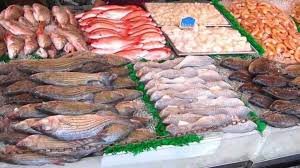
As a Mediterranean port city, Alexandria is renowned for its fresh seafood. Two experiences stand out: Kadoura Restaurant and the Anfushi Fish Market.
Kadoura Restaurant:
- Recommended Dishes: Fish soup, grilled snapper with fries or rice, and shrimp molokhiya—a fusion of Pharaonic and Mediterranean flavors.
- Dining Experience: Classic Alexandria seafood ambiance with views of bustling street life, perfect for family meals or casual dining.
Anfushi Fish Market:
- Cultural Insight: Near Fort Qaitbey, the market is vibrant at dawn, full of energy and local interaction.
- Culinary Highlight: Some market restaurants cook the seafood immediately after purchase, offering unmatched freshness and authenticity.
Seafood in Alexandria is not just food—it’s a journey through history, local life, and culinary craftsmanship.
8.3 Hidden Cafés: El Selsele
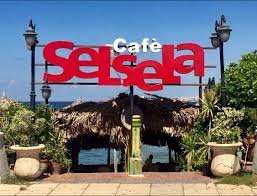
For a quieter, off-the-beaten-path experience, visit El Selsele Café.
Atmosphere & Views:
- Tucked behind the busy seafront, it provides unobstructed Mediterranean views, ideal for relaxation after sightseeing.
What to Try:
- Traditional Egyptian tea, fresh juices, or light pastries.
Experience:
- A serene escape from crowded attractions, letting you absorb Alexandria’s coastal charm while watching locals enjoy their day.
8.4 Hidden Gem Restaurants: Abou El Sid
For those wanting authentic Egyptian cuisine, Abou El Sid is a must-visit.
Traditional Dishes:
- Koshari (lentils, rice, pasta, and crispy onions), molokhiya soup, stuffed pigeon, and other Egyptian comfort foods.
Authenticity:
- Combines flavors from Alexandria and across Egypt, offering a genuine taste of local culinary heritage.
Ambiance:
- Decorated in traditional style, the restaurant provides a warm, nostalgic atmosphere, transporting diners to Egyptian home-style dining.
Dining at Abou El Sid is a celebration of flavor, history, and Egyptian hospitality, giving visitors an in-depth understanding of Alexandria’s culinary culture.
9. Festivals, Culture & Events in Alexandria
Alexandria is not just a city of ancient ruins and Mediterranean beauty—it’s a vibrant cultural hub. Throughout the year, the city hosts festivals, artistic performances, and traditional celebrations that immerse travelers in local culture, creativity, and heritage. Participating in these events offers a unique connection to both modern Alexandria and its historical identity.
9.1 Bibliotheca Alexandrina Summer Festival (August – September)
Held at the iconic Bibliotheca Alexandrina, this festival celebrates arts, culture, and performance.
What to Expect:
- Music concerts ranging from classical to jazz and contemporary styles.
- Theater performances, film screenings, and art exhibitions.
Cultural Experience:
- Witness the fusion of Mediterranean and Egyptian culture within the modern architectural setting of the library.
Tips:
- Attend evening shows for a cooler climate and stunning sunset views over the Mediterranean.
- The festival draws both locals and tourists, creating a lively and cosmopolitan atmosphere.
9.2 Alexandria International Film Festival (November)

A must for cinephiles, this annual film festival showcases Egyptian and international cinema.
Focus:
- Documentaries, short films, and feature-length films.
Experience:
- Meet filmmakers, attend panel discussions, and explore Alexandria’s cinematic culture dating back to the 19th century.
Tips:
- Buy tickets in advance and check the schedule for exclusive screenings and workshops.
9.3 Sham El-Nessim
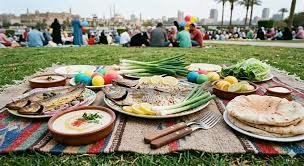
Sham El-Nessim is one of Egypt’s oldest spring festivals, celebrated since Pharaonic times.
When:
- The Monday following Coptic Easter.
Traditions:
- Family picnics, egg painting, kite flying, and seasonal meals such as salted fish (fesikh).
Cultural Significance:
- Celebrates renewal, nature, and community, offering visitors a glimpse into Egypt’s living traditions.
Tips:
- Join locals in Corniche parks or Montazah Gardens for a full cultural immersion.
9.4 Alexandria Mediterranean Countries Film Festival (October)

This festival focuses on Mediterranean cinema, promoting cultural exchange across the region.
Highlights:
- Films from Italy, Greece, France, and North Africa.
Experience:
- Learn about regional storytelling, social issues, and filmmaking traditions.
- It’s an intimate festival connecting Alexandria to the broader Mediterranean cultural network.
Tips:
- Attend Q&A sessions with directors and actors for insider insights.
9.5 Bibliotheca Alexandrina International Book Fair (July)
A paradise for book lovers, this fair gathers publishers, authors, and readers from around the world.
What to Expect:
- Author signings, literary discussions, workshops, and displays of books from Egypt and abroad.
Cultural Experience:
- Reflects Alexandria’s intellectual history, echoing the legacy of the ancient Library of Alexandria.
Tips:
- Arrive early for special events and limited edition publications.
9.6 National Day of Alexandria (January 25th)

A civic celebration highlighting Alexandria’s historical significance.
Activities:
- Parades, concerts, cultural shows, and fireworks.
Experience:
- Witness locals celebrating their city with pride and community spirit.
Tips:
- Best viewed from the Corniche or central squares for a mix of celebration and seaside views.
9.7 Ramadan in Alexandria

During Ramadan, Alexandria transforms into a city of lights, aromas, and communal gatherings.
Cultural Experience:
- Bustling markets, street decorations, Ramadan kheimas (tents), and traditional dishes.
Tips:
- Join an Iftar experience to taste dishes like mahshi (stuffed vegetables) and sweet treats, while respecting local customs.
9.8 Alexandria International Jazz Festival (March – April)

Jazz enthusiasts will find themselves at home during this annual festival.
Highlights:
- Performances by top Egyptian and international jazz musicians.
- Mix of traditional jazz, modern fusion, and improvisational styles in historic venues.
Tips:
- Evening concerts are particularly magical, often enhanced by Mediterranean views.
Alexandria’s cultural calendar is rich and diverse, offering more than sightseeing—it connects travelers to the soul of the city. From literature and music to ancient spring traditions, every festival or event provides insight into the city’s layered history and living culture.
10. Practical Travel Tips for Alexandria
Visiting Alexandria is an unforgettable experience, but knowing a few practical details can make your trip smoother, save time, and help you avoid common inconveniences. From accommodation and transportation to the best seasons to visit, here’s a complete guide for travelers.
10.1 Where to Stay: From Budget to Luxury
Alexandria offers accommodation for every traveler, whether solo, with friends, or family.
Budget Options:
- Ithaka Hostel: Ideal for young travelers or those on a budget. Offers clean rooms, friendly staff, and a prime Corniche location with Mediterranean views.
- New Hotel: Simple, affordable rooms near the sea and restaurants. Perfect for those seeking privacy.
Mid-Range Hotels:
- Royal Jewel Al Raml Hotel: Comfortable rooms with a generous breakfast buffet. Central location gives easy access to major attractions.
- Mediterranean Azur Hotel: Sea views, swimming pool, and multiple dining options. Suitable for families or couples seeking moderate comfort.
Luxury Hotels:
- Steigenberger Cecil: Historic hotel with classic design, panoramic city views, and luxurious stay in central Alexandria.
- Four Seasons Alexandria at San Stefano: Elegant rooms, private beach, spa, and premium seaside relaxation.
- Hilton Alexandria Corniche: Spacious rooms, rooftop pool, excellent Corniche location, and restaurants with stunning sea views.
Airbnb:
- Offers a wide range of options from city-center apartments to seaside villas. Perfect for travelers seeking local immersion and privacy.
Tip: For a more authentic Alexandrian experience, choose an apartment in Anfushi or near the Corniche to live like a local.
10.2 Getting Around: Navigating Alexandria
Alexandria is a large city with multiple transportation options:
Public Transport:
- Buses are cheap but can be crowded and confusing for first-time visitors.
- Trams are excellent for short distances and provide a broader view of the city.
Uber & Taxis:
- Uber is reliable and convenient, especially for short rides or nighttime travel.
- Traditional taxis are common; ensure the meter is running or agree on a fare in advance. Writing your destination in Arabic can prevent misunderstandings.
Car Rental:
- Renting a car gives freedom to explore outer areas like Montazah Gardens or Aboukir.
- Make sure to have an international driving permit and understand local traffic rules.
Guided Tours:
- Organized tours save time and provide historical and architectural context.
- Companies like Inside Egypt offer excellent tours with transportation and knowledgeable guides.
Tip: Always use a map or navigation app, especially when exploring markets or historic neighborhoods, to avoid getting lost.
10.3 When to Visit: Weather & Seasons
- Spring (March–May): Mild weather, ideal for coastal walks, sightseeing, and historical tours.
- Fall (September–November): Comfortable temperatures, refreshing sea breeze, perfect for Corniche photography and sunset watching.
- Summer (June–August): Hot and humid, but fewer tourists and lower prices. Best to enjoy activities in the early morning or evening.
- Winter (December–February): Cool and rainy, perfect for museums, galleries, and indoor attractions.
10.4 Sustainable Travel Tips in Alexandria
For a responsible and environmentally conscious trip:
- Support Local Businesses: Buy from local artisans and traditional restaurants like Abou El Sid or small Corniche cafés.
- Choose Small Hotels or Guesthouses: They support the local economy and have a lower environmental impact.
- Reduce Plastic Use: Carry a reusable water bottle to avoid single-use plastics.
- Respect Culture: Dress modestly, learn basic Arabic phrases, and follow local customs.
- Leave No Trace: Keep beaches and markets clean; don’t leave trash behind.
Extra Tip: Engaging with local food, arts, and community activities enriches your Alexandrian experience, helping you feel like part of the city rather than just a visitor.
FAQs: Things to Do in Alexandria, Egypt
Historical Landmarks & Archaeology
Q1: What are the must-see historical sites in Alexandria?
A: Pompey’s Pillar, Fort Qaitbey, Catacombs of Kom El Shoqafa, Serapeum, and the ancient Lighthouse site.
Q2: Can I visit Pompey’s Pillar every day?
A: Yes, it is open daily, usually from morning until sunset.
Q3: Is there an entry fee for Fort Qaitbey?
A: Yes, a small entrance fee applies for tourists, but it’s affordable and worth it.
Q4: How long does it take to explore the Catacombs of Kom El Shoqafa?
A: Approximately 1–2 hours depending on your interest in the tombs and underground passages.
Q5: Are the historical sites kid-friendly?
A: Many are, like Pompey’s Pillar and Fort Qaitbey, but underground sites like the catacombs require supervision.
Museums & Libraries
Q6: What can I see at the Bibliotheca Alexandrina?
A: Modern library architecture, books, art exhibitions, planetarium shows, and cultural events.
Q7: How much time should I spend at Alexandria National Museum?
A: 2–3 hours to fully enjoy the chronological displays from Pharaonic to modern times.
Q8: Are there guided tours in Alexandria’s museums?
A: Yes, many museums offer guided tours or audio guides for a deeper experience.
Q9: Is photography allowed inside the museums?
A: Usually allowed in most areas, but flash photography may be restricted.
Q10: Can I visit the Royal Jewelry Museum?
A: Yes, it’s open daily except for Fridays, showcasing King Farouk’s and Queen Farida’s royal collections.
Beaches & Waterfront Activities
Q11: What are the best beaches in Alexandria?
A: Mamoura Beach, Aboukir Beach, Montazah Gardens waterfront, and Stanley Bridge area.
Q12: Can tourists swim safely at Mamoura Beach?
A: Yes, the water is calm and family-friendly, with designated safe zones.
Q13: Is diving available in Alexandria?
A: Yes, sites like Cleopatra’s Palace underwater ruins are popular for experienced divers.
Q14: Are water sports available for beginners?
A: Yes, jet skiing, paddleboarding, and banana boat rides are available with instructors.
Q15: Can I rent beach equipment like chairs and umbrellas?
A: Most popular beaches provide rentals, including showers and restrooms.
Food & Dining Experiences
Q16: Where can I try traditional Egyptian breakfast in Alexandria?
A: Mohammed Ahmed restaurant is famous for Fuul Medames and falafel.
Q17: Which seafood restaurants are recommended?
A: Kadoura Restaurant and Anfushi Fish Market provide fresh Mediterranean seafood.
Q18: Are there hidden cafés worth visiting?
A: Yes, El Selsele Café offers quiet seaside views, tea, juice, and pastries.
Q19: Where to find authentic Egyptian dishes?
A: Abou El Sid Restaurant serves Koshari, molokhiya, stuffed pigeon, and other traditional dishes.
Q20: Can I eat by the sea in Alexandria?
A: Absolutely, many cafes and restaurants along the Corniche offer seafood with panoramic views.
Festivals & Cultural Events
Q21: What are the top festivals in Alexandria?
A: Bibliotheca Alexandrina Summer Festival, Alexandria International Film Festival, Sham El-Nessim, Jazz Festival, and Mediterranean Countries Film Festival.
Q22: When is Sham El-Nessim celebrated?
A: The Monday following Coptic Easter.
Q23: Are there cultural events in winter?
A: Yes, indoor exhibitions, theater performances, and the Alexandria Book Fair in July.
Q24: Can tourists participate in Ramadan celebrations?
A: Yes, visitors can join Iftar experiences and enjoy street decorations while respecting customs.
Q25: Is Alexandria International Jazz Festival family-friendly?
A: Mostly for adults, but daytime workshops may welcome younger audiences.
Neighborhoods & Street Life
Q26: Which neighborhoods should I explore for local life?
A: Anfushi, the French Quarter, and the Corniche are ideal for walking, shopping, and photography.
Q27: Are there safe areas for solo travelers?
A: Yes, central neighborhoods like Corniche, Montazah, and downtown are generally safe.
Q28: Can I find souvenirs in Alexandria?
A: Yes, local bazaars offer spices, textiles, crafts, and artisanal products.
Travel & Practical Tips
Q29: What is the best time to visit Alexandria?
A: Spring (March–May) and Fall (September–November) offer mild weather and comfortable sightseeing.
Q30: How to get around the city efficiently?
A: Use trams, Uber, taxis, or guided tours; maps or GPS apps help with navigating markets and historic neighborhoods.
11. Conclusion: Alexandria – Where Ancient Wonders Meet Modern Mediterranean Life
Alexandria, often called the “Pearl of the Mediterranean,” is much more than a historic city—it is a living journey through time, culture, and modern coastal life. From Pharaonic, Roman, and Greek ruins to the vibrant Corniche, bustling cafés, and fresh seafood, Alexandria offers travelers a rich mosaic of experiences. Iconic sites like Fort Qaitbey, Pompey’s Pillar, the Serapeum, and the modern Bibliotheca Alexandrina showcase the city’s unique blend of history and contemporary culture.
No visit is complete without tasting local cuisine, enjoying seafood along the Corniche, or diving among the underwater ruins of Cleopatra’s Palace for an adventurous experience. Neighborhoods such as Anfushi and the French Quarter provide authentic glimpses into daily Alexandrian life, while Montazah Gardens and Ras el-Tin Palace offer elegance, history, and perfect photography opportunities.
Alexandria is also a city of multicultural heritage and faith, where mosques like Abu Abbas al-Mursi and Sidi Morsi, the Coptic Cathedral, and Eliyahu Hanavi Synagogue reflect centuries of coexistence. Festivals and local events—from the Bibliotheca Alexandrina Summer Festival to Sham El-Nessim—allow travelers to experience living traditions and vibrant community life.
From a practical perspective, Alexandria is easily accessible via Borg El Arab Airport, buses, or trains from Cairo and offers a wide range of accommodations—from budget hostels to luxury hotels and Airbnb stays. Supporting local businesses, choosing sustainable hotels, and respecting local customs will enrich your experience and leave a positive impact.
Alexandria for Every Type of Traveler
- History Enthusiasts: Marvel at archaeological sites, museums, and ancient ruins.
- Food Lovers: Delight in fresh seafood and traditional Egyptian dishes.
- Photographers & Explorers: Capture stunning Corniche sunsets, royal gardens, and historic architecture.
- Culture Seekers: Enjoy festivals, libraries, and artistic events celebrating the city’s heritage.
Alexandria is not just a destination—it is a complete sensory experience. From the smells of the sea and bustling markets to the colors of gardens and historic palaces, every moment creates a connection with both ancient history and modern Mediterranean life. A journey here is truly a voyage through time, knowledge, adventure, and relaxation.
Final Word for Travelers
If you are searching for a city that blends ancient history with contemporary Mediterranean charm, rich culture, and delicious food, Alexandria is the perfect choice. Explore its neighborhoods, stroll along the Corniche, savor seafood delicacies, and pause to enjoy a Mediterranean sunset. Alexandria leaves unforgettable memories, making your trip to Egypt a full, immersive, and enriching experience.



























Comment (0)