

Egypt, a land of pharaohs, pyramids, and ancient civilizations, is also home to some of the most breathtaking deserts in the world. These vast expanses of sand, rocky plateaus, and unique geological formations are not only a natural wonder but also a cultural and historical treasure. From the Western Desert with its oases and surreal landscapes to the rugged Eastern Desert and the spiritual Sinai Peninsula, Egypt’s deserts tell stories of endurance, exploration, and human ingenuity. This guide will take you through everything you need to know about the deserts of Egypt, including geography, history, culture, tourism, and modern significance.
The Enigmatic Beauty of Egyptian Deserts
The Western Desert: Land of Oases and Wonders
The Western Desert spans nearly two-thirds of Egypt’s total land area, stretching from the Nile Valley to the Libyan border and southward towards Sudan. It’s a diverse landscape of sand seas, limestone plateaus, rocky outcrops, and life-sustaining oases.
Key highlights of the Western Desert:
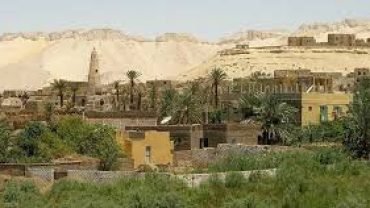
- Siwa Oasis: A historic and cultural gem, Siwa is home to the ancient Temple of Amun, where Alexander the Great sought guidance. The oasis is filled with palm groves, salt lakes, and unique mud-brick architecture.
- Bahariya Oasis & White & Black Deserts: Known for its stark contrasts, the White Desert showcases chalk formations shaped by wind and time, while the Black Desert features dark volcanic hills.
- Dakhla & Kharga Oases: These southern oases were historically critical for trade, desert settlements, and as waypoints for caravans traveling through the Sahara.
The Western Desert is a living museum of geology and history, offering a peaceful escape for travelers seeking adventure, photography, and cultural immersion.
The Eastern Desert: Gateway to the Red Sea
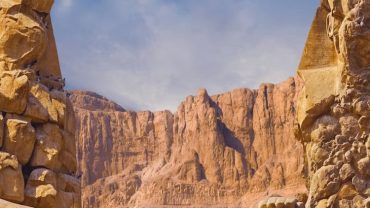
The Eastern Desert stretches from the Nile River to the Red Sea. Unlike the Western Desert, it’s dominated by rugged mountains, deep valleys, and mineral-rich landscapes. Historically, it was a major site for gold, emerald, and mineral mining, contributing to the wealth of ancient Egypt.
Tourist highlights:
- Red Sea Hills: Dramatic mountains and peaks like Gabal Sha’ib El Banat rise above the arid plains.
- Ancient Mining Sites: Roman and Egyptian mining remnants reveal the extraction of gold, copper, and precious stones.
- Wadis and Plateaus: Seasonal riverbeds and sedimentary plateaus offer scenic landscapes for adventure and exploration.
The Eastern Desert is ideal for travelers seeking a mix of history, geology, and adventure, with the added benefit of being close to the Red Sea for coastal activities.
The Sinai Peninsula: A Spiritual and Historical Retreat
The Sinai Peninsula connects Africa to Asia and is famous for its spiritual significance. Mount Sinai, where Moses is said to have received the Ten Commandments, is a pilgrimage site for many visitors.
Highlights:
- Mount Sinai: Hike to the summit for sunrise views across the desert.
- St. Catherine’s Monastery: One of the oldest Christian monasteries, housing ancient manuscripts and icons.
- Natural Beauty: Rugged mountains, valleys, and desert flora combine with Red Sea proximity for adventure tourism.
Sinai’s unique blend of spiritual significance, historical sites, and natural beauty makes it a must-visit destination for culturally-minded travelers.
The Nubian Desert: Between the Nile and Sudan
Located in southern Egypt, the Nubian Desert is less explored but rich in history. It was home to Nubian civilization, with temples, burial sites, and settlements that reveal a thriving culture in a harsh desert environment. The desert’s connection to the Nile enabled trade and cultural exchange, while its isolation preserved natural beauty and biodiversity.
Travel Tips:
- Remote oases provide safe water and rest stops.
- Ideal for photography, wildlife observation, and cultural exploration.
- Historical sites like the Temple of Amada show Nubian influence on Egyptian civilization.
Deserts and Ancient Egyptian Civilization
Egypt’s deserts were not just natural barriers—they shaped civilization. Pyramids, temples, and mining settlements were built along desert edges, combining human ingenuity with challenging terrain. Desert trade routes connected Egypt to Libya, Sudan, and beyond, facilitating commerce and cultural exchange.
Key points:
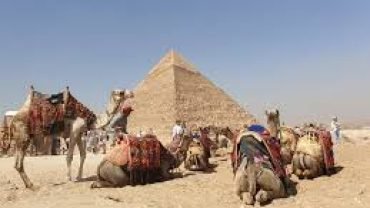
- Pyramids at Giza: Symbolize the enduring bond between human civilization and desert landscapes.
- Mining Settlements in Eastern Desert: Provided gold, emeralds, and other resources crucial for ancient Egyptian wealth.
- Trade Routes: Caravans traversed Western Desert oases, moving goods like salt, minerals, and food products.
Tourism in the Egyptian Deserts
Egyptian deserts offer unique experiences beyond history:
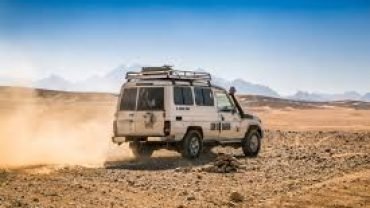
- Desert Safaris: Explore dunes, plateaus, and rock formations on guided tours.
- Camping Under the Stars: Experience clear desert skies in protected areas.
- Oases Visits: See how communities survive and thrive in desert environments.
- Adventure Activities: Camel trekking, hiking, and photography in surreal landscapes.
Tourism in deserts balances adventure with respect for fragile ecosystems, offering travelers immersive and safe experiences.
Environmental Challenges and Conservation
Despite their grandeur, Egypt’s deserts face environmental threats:
- Climate change increasing temperatures and reducing rainfall.
- Human development encroaching on natural habitats.
- Overexploitation of resources like minerals and water.
Conservation Efforts:
- Protected areas like Wadi El Rayan (Western Desert) and St. Catherine Protectorate (Sinai) preserve biodiversity.
- Sustainable tourism initiatives limit environmental impact and support local communities.
Flora, Fauna, and Biodiversity of Egyptian Deserts
Despite harsh conditions, Egypt’s deserts host a surprisingly diverse ecosystem. Each desert region has unique species and adaptations that allow life to thrive in extreme heat and minimal rainfall.
Western Desert
- Flora: Desert shrubs, acacia trees, date palms in oases, and drought-resistant plants.
- Fauna: Foxes, desert hedgehogs, lizards, and migratory birds. Oases provide crucial water sources for wildlife.
- Adaptations: Plants retain water with small leaves; animals are mostly nocturnal to avoid daytime heat.
Eastern Desert
- Flora: Sparse vegetation adapted to rugged, rocky terrain; hardy shrubs and desert-adapted grasses.
- Fauna: African leopards, Dorcas gazelles, desert foxes, spiny reptiles, and Egyptian vultures.
- Ecological Importance: Maintains balance between desert ecosystems and human settlements, especially near wadis.
Sinai Peninsula
- Flora: Wild herbs, mountain shrubs, and desert flowers in valleys.
- Fauna: Nubian ibex, foxes, hyenas, and a variety of reptiles and birds.
- Unique Biodiversity: Protected areas like Ras Mohammed National Park preserve marine life and terrestrial wildlife.
Nubian Desert
- Flora: Sparse desert vegetation along the Nile margins; date palms and small crops near settlements.
- Fauna: Camels, desert foxes, reptiles, and migratory birds along the Nile corridor.
- Conservation Challenges: Remote and less populated but faces pressures from climate change and limited water availability.
Understanding the biodiversity of Egyptian deserts highlights the delicate balance between natural survival and human adaptation, making them fascinating for ecotourism and research.
Historical and Archaeological Significance
Egypt’s deserts are not just natural landscapes—they are living history museums. From ancient mining camps to ceremonial sites, these deserts preserve thousands of years of civilization.
Western Desert Archaeology
- Oases Settlements: Siwa, Bahariya, Dakhla, and Kharga are home to temples, forts, and burial sites.
- Gilf Kebir Plateau: Prehistoric rock art shows animals and human activities from a wetter period in the Sahara.
- Lost Army of Cambyses: Legends and archaeological traces reflect desert exploration and military history.
Eastern Desert Mining
- Gold and Minerals: Ancient Egyptian mines for gold, emeralds, and copper.
- Trade Routes: Caravans transported precious materials to Nile ports.
- Archaeological Evidence: Roman roads, mining shafts, and inscriptions demonstrate the strategic and economic importance of the desert.
Sinai Peninsula
- Mount Sinai: Pilgrimage site for multiple religions; St. Catherine’s Monastery preserves ancient manuscripts and icons.
- Spiritual Heritage: The area has inspired religious texts, traditions, and modern pilgrimage tours.
Nubian Desert
- Ancient Nubian Civilization: Temples, burial grounds, and settlements illustrate cultural and trade networks with the Nile Valley.
- Archaeological Value: Nubian sites like the Temple of Amada reveal the integration of African civilizations with Egypt.
Adventure Tourism and Exploration
Egyptian deserts are ideal for tourists seeking adventure beyond historical sites.
Western Desert
- Desert Safaris: Explore sand seas, dunes, and rock formations.
- Camping: Experience clear starry skies in protected areas.
- Photography: White and Black Deserts provide surreal landscapes for unique photographs.
Eastern Desert
- Hiking: Rugged mountains and wadis offer hiking and exploration opportunities.
- Mineral Exploration Tours: Learn about ancient and modern mining practices.
- Eco-tourism: Observe wildlife adapted to arid conditions.
Sinai Peninsula
- Mount Sinai Hikes: Sunrise and sunset hikes offer both physical challenge and spiritual experience.
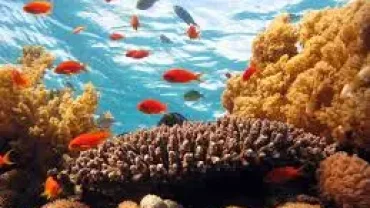
- Ras Mohammed National Park: Snorkeling, diving, and desert exploration combine adventure with natural beauty.
Nubian Desert
- Remote Exploration: Ideal for photography, eco-tours, and desert trekking.
- Cultural Immersion: Visit Nubian villages to experience local traditions, food, and architecture.
Adventure tourism allows visitors to engage with deserts actively while respecting natural and cultural heritage.
Practical Travel Tips for Visiting Egypt’s Deserts
Best Times to Visit
- Winter (December–February): Mild temperatures, cooler nights.
- Spring/Autumn (March–May, September–November): Warm days, ideal for outdoor exploration.
- Summer (June–August): Extremely hot, especially in southern deserts; early morning and late afternoon activities are recommended.
Packing Essentials
- Breathable clothing (cotton/linen)
- Long sleeves and trousers for sun protection
- Comfortable walking shoes and sandals
- Wide-brimmed hat and sunglasses
- Lightweight scarf for sun and dust
- Water bottle and sunscreen
- Travel first-aid and basic survival kit for remote areas
Safety Tips
- Use guided tours for remote deserts.
- Carry enough water and food.
- Protect against sun exposure and heatstroke.
- Respect local communities, wildlife, and conservation areas.
Accommodation and Tours
- Oases towns like Siwa and Bahariya offer guesthouses and eco-lodges.
- Nile cruise departures often include desert excursions.
- Specialized tour operators provide desert safaris, hiking guides, and cultural immersion experiences.
Modern Significance of Egypt’s Deserts
Egypt’s deserts remain economically, environmentally, and culturally important:
- Mineral Wealth: Eastern Desert mines support national economic development.
- Renewable Energy Projects: Solar and wind farms in deserts contribute to sustainable energy.
- Cultural Preservation: Oases preserve traditional lifestyles, crafts, and cuisines.
- Tourism: Attracts global visitors for adventure, photography, and historical exploration.
Conservation Efforts
- National parks like White Desert National Park and St. Catherine Protectorate safeguard wildlife and biodiversity.
- Efforts include limiting vehicle traffic, responsible camping, and sustainable tourism programs.
- Local communities participate in conservation through eco-tourism initiatives.
Conclusion: Experiencing the Deserts of Egypt
The deserts of Egypt are more than just sandy landscapes—they are a testament to resilience, history, and human ingenuity. From the Western Desert’s surreal chalk formations to the mineral-rich Eastern Desert, the spiritual Sinai Peninsula, and the culturally rich Nubian Desert, these regions provide experiences that combine adventure, education, and reflection.
Whether it’s exploring ancient trade routes, hiking rugged mountains, camping under the stars, or learning about mining heritage, Egypt’s deserts offer something unique for every traveler. Understanding their geography, history, biodiversity, and cultural significance allows visitors to fully appreciate the depth and beauty of this timeless landscape.
By respecting the environment, engaging with local communities, and preparing with practical tips, tourists can enjoy an immersive desert experience that is both safe and unforgettable.
























Comment (0)