

Cairo – The Vibrant Heart and Living History of Egypt
Cairo 2026 – The Ultimate Tourist Guide to Egypt’s Capital Kahire is far more than just the capital of Egypt; it is a living chronicle of human civilization. Here, thousands of years of history merge seamlessly with the energy of a modern metropolis. Ancient wonders like the iconic Pyramids sit just minutes away from bustling streets and contemporary neighborhoods. For travelers, Cairo offers a rare combination of monumental heritage, world-class museums, and the unique opportunity to walk through the cradle of one of the world’s most mysterious civilizations. Visiting Kahire is like stepping through time—a journey unlike any other city on the planet.
Why Tourists Choose Cairo
Giza Piramitleri ve Büyük Sfenks
On the outskirts of Cairo lies the only surviving wonder of the ancient world—the Great Pyramid of Khufu. The Giza Pyramid Complex, together with the majestic Great Sphinx, has fascinated explorers and travelers for centuries. These monumental structures remain the top reason millions of tourists flock to Egypt each year, offering an unforgettable encounter with history.
Rich Cultural Heritage
Cairo is recognized as one of the most historically dense cities in the world. Within a single day, visitors can experience ancient Egyptian monuments, grand Islamic architecture, and significant sites related to Coptic Christianity. This unique blend of eras and styles forms a cultural mosaic that is unmatched anywhere else.
İslami Kahire
The city boasts hundreds of mosques, madrasas, historic gates, and fortresses, giving Cairo its unmistakable Oriental charm. The Citadel of Saladin and the Mosque of Muhammad Ali are among the city’s most iconic landmarks, offering breathtaking panoramic views over the sprawling metropolis.
Traditional Markets and Local Flavors
Khan El Khalili is Cairo’s most famous bazaar and the heart of its traditional quarter. Here, travelers can shop for souvenirs, jewelry, spices, and experience the authentic sights, sounds, and scents of a Middle Eastern marketplace.
Nile Cruises and Riverside Walks
The Nile River gives Cairo a unique charm. Evening boat cruises with dinner provide a romantic and tranquil way to view the city, watching lights shimmer across the water while enjoying traditional Egyptian cuisine.
Modern Cairo – A City of Contrasts
Today, Cairo is a bustling metropolis with over 20 million residents. The city features modern business centers, luxury hotels, shopping malls, and world-class restaurants. At the same time, historic neighborhoods continue to preserve traditions passed down through generations. This striking contrast makes Cairo endlessly fascinating for visitors: within a single day, you can explore ancient monuments, Islamic architectural masterpieces, museums, and finish your evening with a scenic dinner along the illuminated Nile.
Visiting Cairo – A Must on Any Egypt Itinerary
Many European tourists visit Cairo as part of one- or two-day excursions from Hurghada or Sharm El-Sheikh. Such trips allow travelers to see the city’s most important attractions without the hassle of changing hotels. Guided tours with experienced local guides are the easiest and safest way to explore Cairo, its history, and its key monuments, ensuring a stress-free experience.
Cairo – A City That Leaves a Lasting Impression
Cairo captivates even the most seasoned travelers. Its scale, history, and vibrant energy create a truly unique atmosphere. Here, the past and present coexist in a way that cannot be replicated elsewhere. A visit to Cairo is not just sightseeing—it is an immersive dive into Egypt’s rich culture and history.
Menkaure Pyramid (Pyramid of Mykerinos)
The Menkaure Pyramid, also known as the Pyramid of Mykerinos, completes the famous Giza pyramid trio as the smallest of the three. Built for Pharaoh Menkaure, grandson of Khufu, around 2510–2490 BCE, it represents a later stage of pyramid construction in Egypt’s Old Kingdom. Despite its relatively modest height of approximately 65 meters, the Menkaure Pyramid holds a special place in Cairo’s archaeological landscape. Constructed from limestone and red granite, it stands out for its unique combination of materials. The complex also includes three smaller pyramids built for the Pharaoh’s queens, creating a harmonious ensemble.
Key Facts:
- Height: 65 meters
- Base Length: 108 meters
- Materials: Limestone and red granite
- Queen Pyramids: 3
- Mortuary Temple: Well-preserved complex
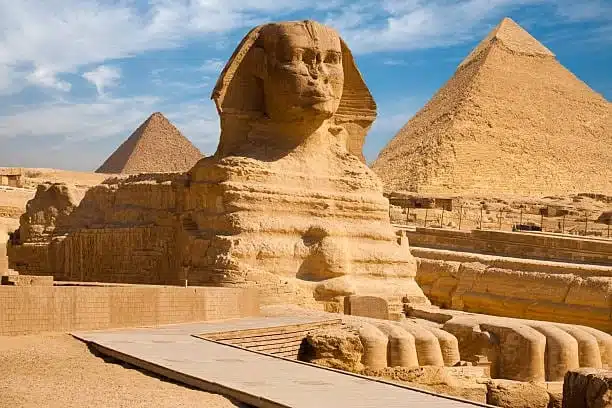
The Great Sphinx of Giza – Guardian of the Pyramids
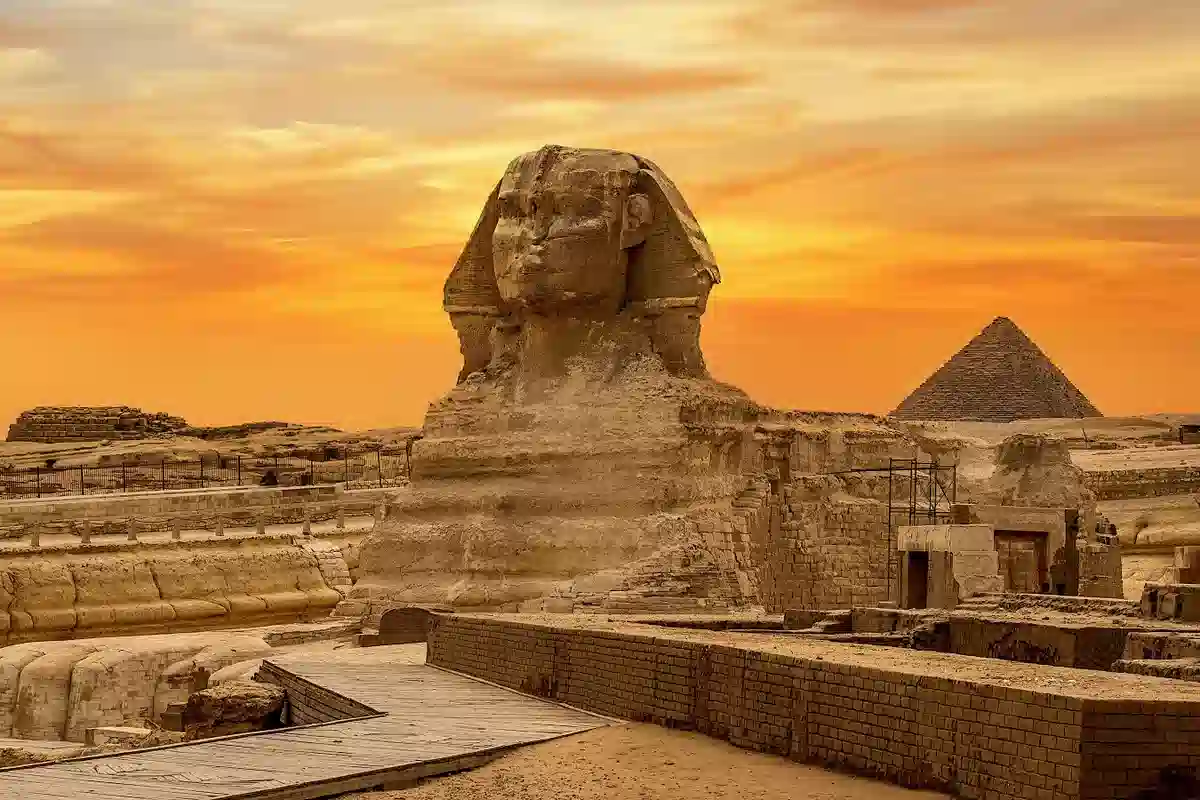
The Great Sphinx of Giza stands as one of Cairo’s most mysterious and recognizable landmarks. Carved from a single limestone block, it combines the body of a lion with the head of a Pharaoh, most likely Khafre. For over 4,500 years, the Sphinx has gazed eastward, guarding the necropolis of Giza. Measuring 73 meters in length and approximately 20 meters in height, it is the largest monolithic statue in Egypt. Over the centuries, the Sphinx was repeatedly buried by desert sands, only enhancing its aura of mystery. Today, it remains an essential symbol of Cairo and a must-see for every visitor to the Pyramids.
Quick Facts about the Great Sphinx:
- Length: 73 meters
- Height: 20 meters
- Yaş: ~4,500 years
- Material: Monolithic limestone
- Significance: Symbolic guardian of the Giza Pyramids
Queens’ Pyramids in the Giza Complex
In addition to the colossal pyramids, the Giza plateau also hosts six smaller pyramids built for queens and pharaohs’ wives. These structures highlight the crucial role of women in the power and religious structure of ancient Egypt. Three pyramids stand near Khufu’s Pyramid, traditionally associated with Queens Hetepheres I, Meritites I, and Henutsen. The remaining three are located beside Menkaure’s Pyramid. Although smaller, these pyramids are meticulously constructed and remain an integral part of Cairo’s royal necropolis.
Key Details:
- Number of Pyramids: 6
- Height: 20–30 meters
- Material: High-quality limestone
- Purpose: Tombs for pharaohs’ wives
Step Pyramid of Djoser in Saqqara
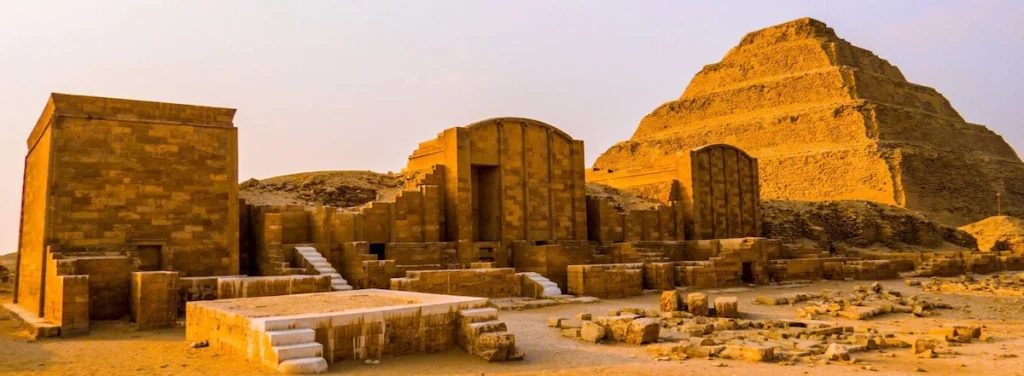
Located approximately 30 km south of Cairo, the Step Pyramid of Djoser is considered the world’s first pyramid. Built around 2650 BCE by the legendary architect Imhotep for Pharaoh Djoser of the Third Dynasty, the pyramid consists of six stacked mastabas, giving it its distinctive stepped appearance. The Saqqara complex also includes temples, courtyards, and auxiliary structures enclosed by a massive stone wall, showcasing the advanced architectural skills of ancient Egypt.
Key Facts:
- Height: 62 meters
- Number of Steps: 6
- Architect: Imhotep
- Significance: First stone pyramid in history
The Red Pyramid in Dahshur
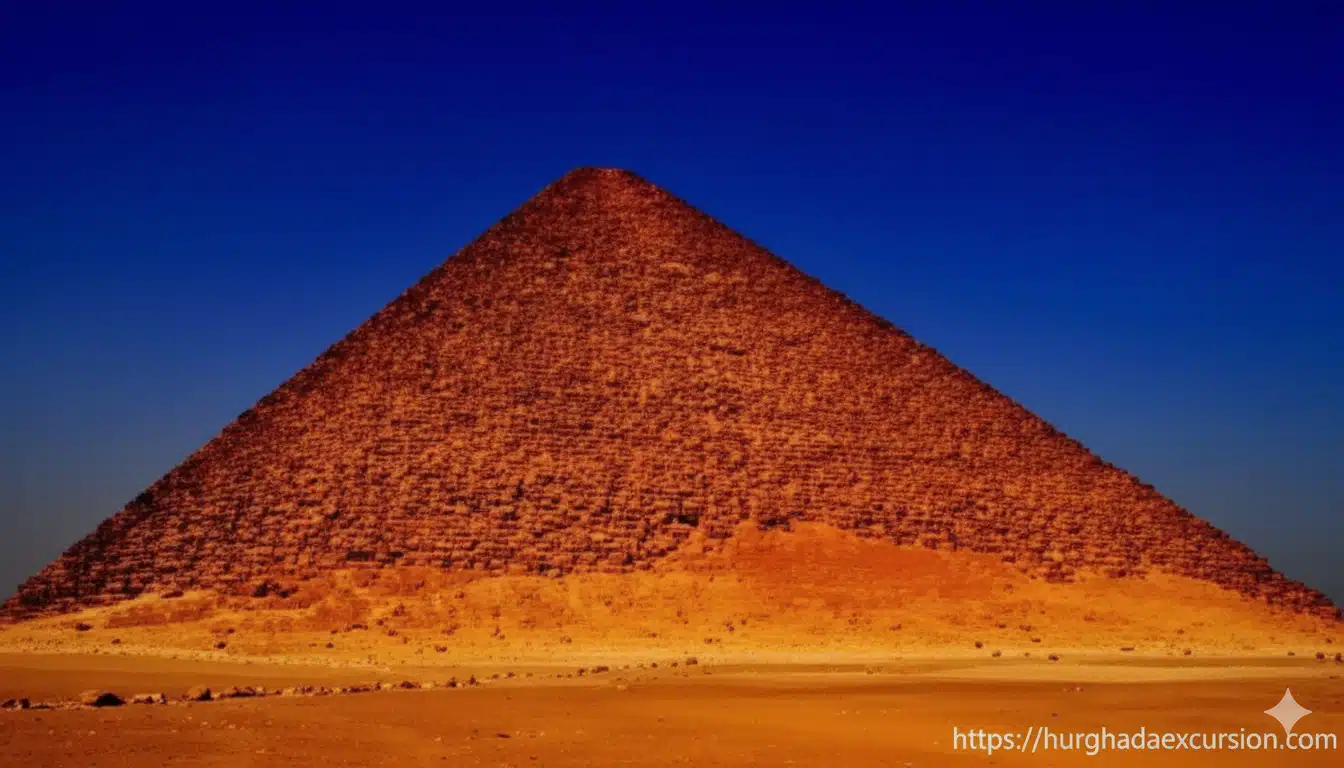
The Red Pyramid, located in Dahshur about 40 km from Cairo, is recognized as the first successful “true” smooth-sided pyramid. Built for Pharaoh Sneferu around 2600 BCE, it gets its name from the reddish hue of the limestone used. Upon completion, it was the tallest structure in the world, standing at 104 meters. Today, visitors can enter its interior and walk through corridors once used by ancient Egyptians over 4,000 years ago.
Key Facts:
- Height: 104 meters
- Angle of Incline: 43°
- Pharaoh: Sneferu
- Significance: First true pyramid
The Bent Pyramid in Dahshur
Also constructed for Pharaoh Sneferu, the Bent Pyramid is one of Egypt’s most unusual monuments. Its sharply changing angle—from 54° at the base to 43° at the top—gives it a unique profile. Remarkably, much of the original casing remains intact, offering a glimpse into how pyramids appeared in antiquity. Inside, two chambers provide a rare opportunity to study the experimental construction techniques of ancient builders.
The Black Pyramid in Dahshur
Built for Pharaoh Amenemhat III during the Middle Kingdom around 1850 BCE, the Black Pyramid differs from Old Kingdom pyramids, as its core was made of mud bricks, which eventually led to structural damage. Despite its ruined state, the pyramid remains an important testament to Cairo’s longstanding significance in Egypt’s royal burial traditions.
Meidum Pyramid
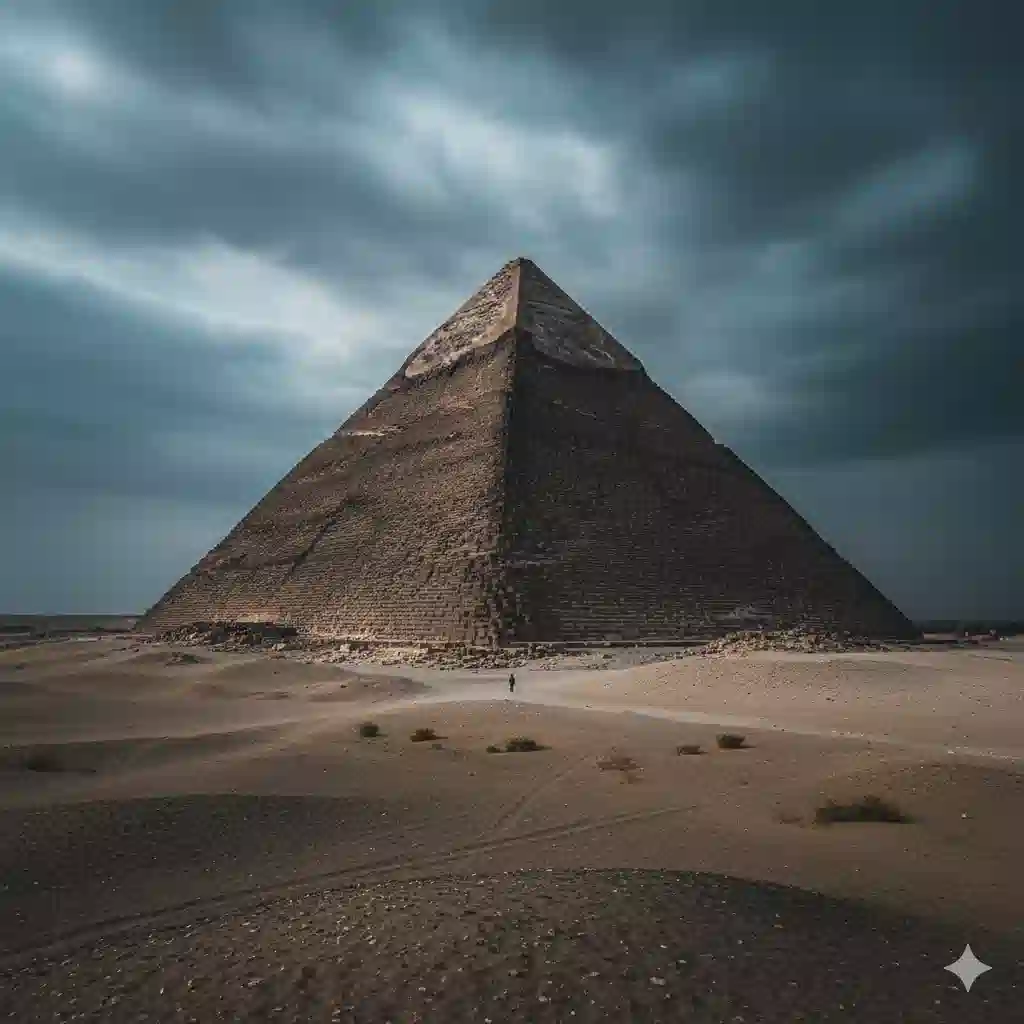
Located approximately 100 km from Cairo, the Meidum Pyramid represents a transitional phase between stepped and smooth-sided pyramids. Initially built as a step pyramid and later modified, the collapse of its outer casing revealed its internal structure, offering valuable insights into the evolution of ancient Egyptian construction techniques. It is most often attributed to Pharaoh Sneferu or Huni.
Discover the Power of Cairo’s Pyramids
Walking among Cairo’s pyramids is a journey following the footsteps of pharaohs and a direct encounter with the mysteries humanity has sought to unravel for over four millennia.
Memphis and Saqqara – The Ancient Heart of Egypt
Just a few kilometers south of modern Cairo lies one of the world’s most important archaeological regions. Memphis and Saqqara are where Egyptian civilization began over 5,000 years ago. Memphis served as the political and religious capital, while Saqqara was the royal necropolis. Together, they tell the complete story of Egypt’s early statehood, architectural breakthroughs, and beliefs that shaped human history.
Memphis – Egypt’s First Eternal Capital
Founded around 3100 BCE by Pharaoh Menes (Narmer) after the unification of Upper and Lower Egypt, Memphis was strategically located at the confluence of both regions, making it an ideal administrative and religious center. Known in antiquity as Men-nefer, meaning “Enduring and Beautiful,” the city remained at the heart of Egyptian statehood for over 3,000 years. The main temple of Ptah, the creator god and patron of architects, craftsmen, and artists, was located here. During the Old Kingdom, Memphis ranked among the largest cities in the world, rivaling Babylon and later Rome.
Key Facts about Memphis:
- Founded: ~3100 BCE
- Founder: Pharaoh Menes
- Main Deity: Ptah
- Function: Political and religious center
- Status: UNESCO World Heritage Site
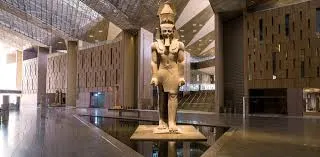
The Colossus of Ramses II – Symbol of Ancient Memphis’ Power
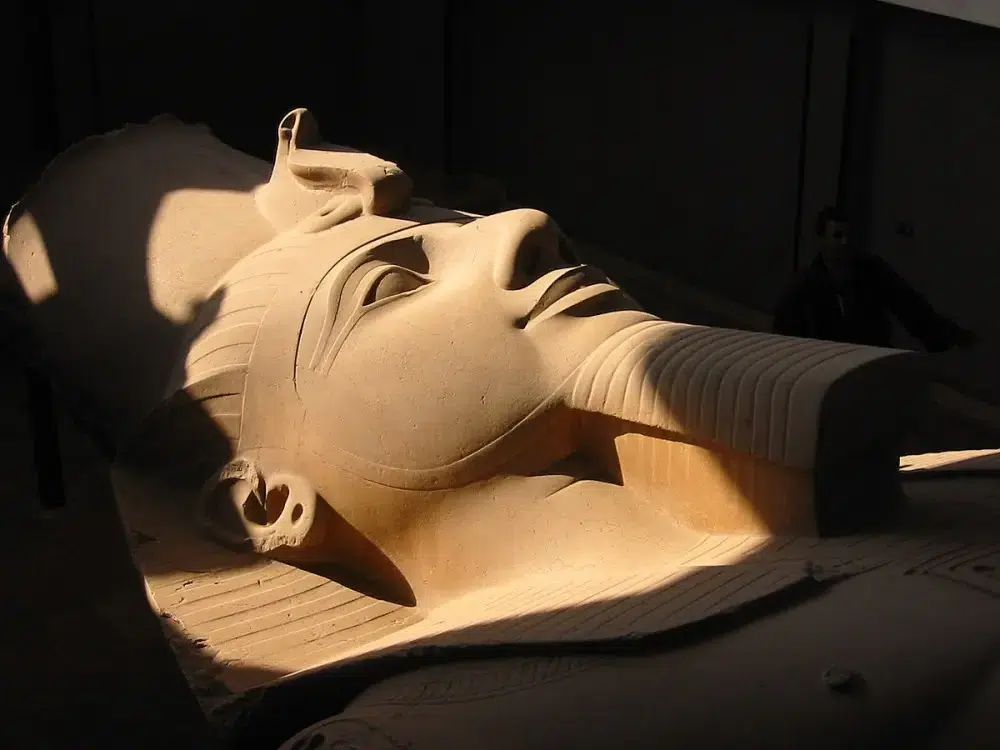
One of Memphis’ most iconic landmarks is the monumental Colossus of Ramses II, one of the most powerful pharaohs in Egypt’s history. Carved from a single block of limestone, this giant statue originally stood at an impressive height of around 13 meters, dominating the sacred space of the ancient city.
The statue captivates visitors with its masterful craftsmanship: harmonious proportions, a serene and timeless facial expression, and meticulously detailed royal insignia. Scholars believe the colossus once adorned the entrance to the grand Temple of Ptah, leaving a profound impression on foreign envoys and travelers visiting Memphis during the New Kingdom.
The Alabaster Sphinx of Memphis – A Masterpiece of Stone Sculpture
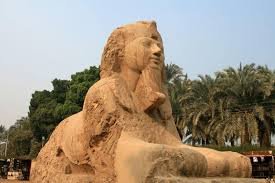
The Alabaster Sphinx of Memphis is among the best-preserved sphinxes in all of Egypt. Carved from a single alabaster block during the New Kingdom, it combines the body of a lion with a human head, symbolizing the divine authority of the pharaoh and his role as the guardian of cosmic order.
Unlike the Great Sphinx at Giza, the Memphis sphinx retains an exceptionally smooth surface and finely detailed features. Sunlight reflecting on its semi-translucent alabaster creates a mystical effect, making this sculpture one of the most extraordinary archaeological treasures in the Cairo region.
Temple of Ptah – The Spiritual Heart of Ancient Egypt
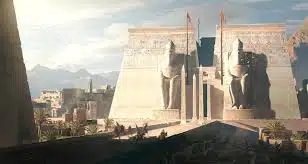
The Temple of Ptah in Memphis was one of the most important religious complexes in ancient Egypt. Ptah, revered as the creator god who brought the world into existence through the power of speech, was especially venerated by priests, architects, and artisans.
Though only fragments of foundations and stone blocks survive today, archaeological excavations confirm the temple’s massive scale. Spanning several hectares, it once featured monumental pylons, extensive columned halls, sacred lakes, and a vast administrative and craft center. The temple was not only a religious hub but also a powerful economic center, overseeing lands and workshops across Egypt.
Saqqara – The Birthplace of the Pyramids
Saqqara is the cradle of pyramid architecture and one of the greatest achievements of ancient civilization. Around 2650 BCE, the legendary architect Imhotep designed the first pyramid in history – the Step Pyramid of Pharaoh Djoser.
This groundbreaking design marked the transition from simple mastabas to monumental stone construction. The Saqqara necropolis stretches over 7 kilometers and contains 15 pyramids from different periods, hundreds of tombs, and complex underground networks. It offers a unique record of ancient Egyptian religious beliefs and the evolution of concepts surrounding the afterlife across more than three millennia.
Imhotep – The First Architect in History
Imhotep is recognized as the first named architect, engineer, and physician in world history. His genius revolutionized architecture, science, art, and religion in ancient Egypt. After his death, he was even deified and worshiped as a god of wisdom and medicine.
The modern Imhotep Museum in Saqqara displays numerous findings from the necropolis, including reliefs, statues, jewelry, and everyday objects. The exhibition helps visitors understand the scale of the architectural revolution that began here, just south of present-day Cairo.
Saqqara Mastabas – Daily Life Carved in Stone
The mastabas of Saqqara house some of the most beautiful reliefs in ancient Egypt. Tombs of high-ranking officials depict everyday life—farming, hunting, crafts, and religious ceremonies—preserved in vivid colors for over 4,500 years.
Among the most famous are the tombs of Ti, Kagemni, and Mereruka, with the latter comprising 32 richly decorated rooms. These remarkable works complement the monumental architecture of the pyramids and offer a glimpse into the lives of ancient Egyptians.
Serapeum – The Underground Mystery of Saqqara
The Serapeum in Saqqara is one of ancient Egypt’s most enigmatic and fascinating sites. This vast underground necropolis was the burial place of the sacred Apis bulls, considered earthly incarnations of Ptah, the god of creation, craftsmanship, and architecture. Hidden beneath desert sands for centuries, it was spectacularly rediscovered in 1851.
Exploring the Serapeum feels like stepping into another world. Long stone corridors lead deep underground, where 24 monumental sarcophagi made of granite and basalt lie. Each sarcophagus weighs up to 80 tons, showcasing precision, perfectly smooth surfaces, and flawless alignment that still amazes modern engineers.
The Serapeum is not only a religious site but also a testament to the extraordinary engineering and organizational skills of the pharaonic civilization. The quiet underground halls, the cool stone walls, and the sheer scale of the construction evoke awe and allow visitors to experience the spiritual essence of ancient Egypt. For many travelers, it is one of the most moving sites in the Cairo region.
Memphis and Saqqara – The Cradle of Egyptian Civilization
Memphis and Saqqara are where pharaonic history was born, the first pyramids were built, and the foundations of Egyptian architecture and religion were laid. Together, they form a unique space where visitors can literally touch the origins of one of the world’s oldest civilizations and feel its authentic spirit
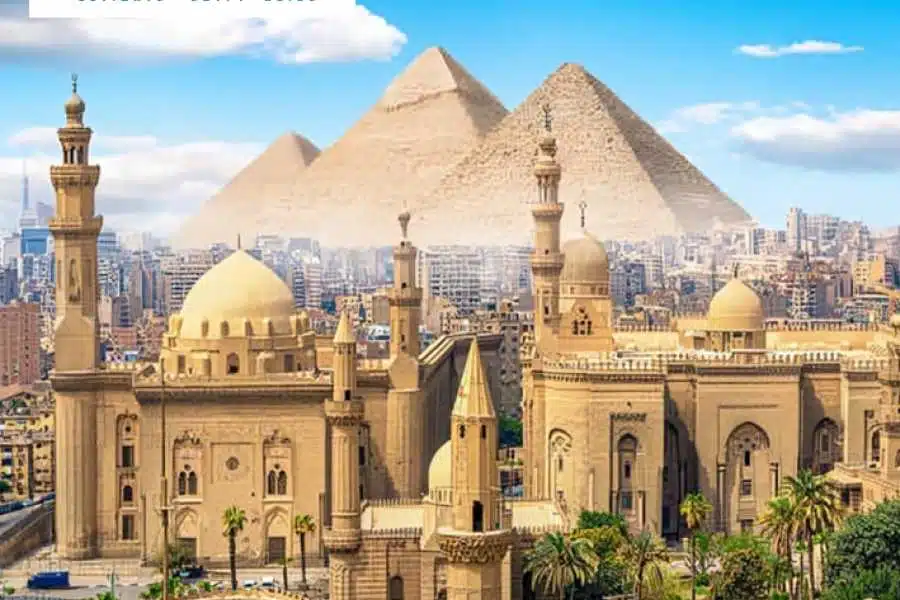
Islamic Cairo – The City of a Thousand Minarets
Islamic Cairo is a living open-air museum and the world’s largest concentration of Islamic architecture. This UNESCO World Heritage site boasts over 600 monuments spanning centuries of history—from the Fatimids, Ayyubids, and Mamluks, to the Ottoman era.
Walking through this historic district immerses visitors in the rhythms of centuries-old life. Narrow medieval streets teem with life, while artisans continue to practice traditional crafts. Ancient mosques, where worshippers have gathered for generations, create an atmosphere of spirituality and history that no conventional museum can replicate.
The Citadel of Saladin – Medieval Fortress of Cairo
The Citadel of Saladin is one of medieval Cairo’s most impressive landmarks. Constructed between 1176 and 1183 atop the Mukattam Hill, it served as a powerful fortress protecting the city from Crusader invasions. Today, it dominates Cairo’s skyline and offers breathtaking panoramic views.
The citadel complex houses several extraordinary mosques, including the renowned Mosque of Muhammad Ali with its Ottoman-style domes and minarets, as well as historic mosques like Al-Nasir Muhammad and Suleiman Pasha. For over 700 years, the citadel served as the residence of Egypt’s rulers, making it a central site in the country’s political and military history.
Key Facts:
- Construction Period: 1176–1183
- Elevation: ~150 meters above city level
- Main Mosques: Muhammad Ali, Al-Nasir Muhammad
- Functions: Fortress and royal residence
- Museums: Military Museum, Police Museum
- View: Panoramic view of Cairo
Khan El-Khalili – Cairo’s Historic Bazaar
Khan El-Khalili is the heart of traditional Cairo and one of the most famous bazaars in the Islamic world. Founded in the 14th century during the Mamluk period, it has served as the city’s main commercial hub for over 600 years.
Today, it is a maze of cobblestone streets filled with workshops and shops selling handmade jewelry, fabrics, spices, and authentic Egyptian souvenirs. Iconic cafes, like the legendary El Fishawi operating since 1773, provide a place to relax with tea or shisha while soaking in the lively atmosphere of Cairo’s streets.
Key Facts:
- Founded: 14th century (Mamluk period)
- Area: Several square kilometers
- Famous Café: El Fishawi (since 1773)
- Specialties: Gold, silver, carpets, spices
- Character: Authentic historic Islamic market
Al-Azhar Mosque – Center of Islamic Learning
Founded in 970 CE, Al-Azhar Mosque and University is one of the most significant religious and educational institutions in the Islamic world. For over a millennium, it has symbolized knowledge, dialogue, and spirituality, attracting students and scholars from around the globe.
The architecture of the complex chronicles Cairo’s history, blending Fatimid, Ayyubid, Mamluk, and Ottoman styles. Its five minarets and spacious courtyards adorned with intricate details make Al-Azhar a unique and enduring center of Islamic thought.
Key Facts:
- Founded: 970 CE
- Significance: Oldest operating Islamic university
- Minarets: Five distinctive towers
- Architectural Style: Fatimid to Ottoman
- Role: International hub of Islamic education and religion
Ibn Tulun Mosque – Abbasid Architectural Masterpiece
The Ibn Tulun Mosque is one of Cairo’s most treasured landmarks and the oldest mosque preserved in its original form. Built between 876–879 CE during the Abbasid era, it remains an exceptional example of pure 9th-century Islamic architecture.
From the first steps inside, visitors are struck by the mosque’s monumental scale and harmonious proportions. The vast prayer hall, covering approximately 26,000 m², impresses with simplicity and austere elegance. Pointed arches, rhythmically aligned columns, and delicate stucco decorations create a space conducive to reflection and spiritual focus.
The mosque’s most famous feature is its spiral minaret, about 40 meters high, inspired by the Great Mosque of Samarra in present-day Iraq. Its ascending ramp gives the complex a unique character, making Ibn Tulun one of Islamic Cairo’s most photogenic sites.
Key Facts:
- Construction: 876–879 CE (Abbasid dynasty)
- Area: ~26,000 m²
- Minaret: Spiral, ~40 meters high
- Status: Oldest originally preserved mosque in Cairo
- Tarz: Pure Abbasid architecture
- Inspiration: Great Mosque of Samarra
Sultan Hassan Mosque – Mamluk Architectural Triumph
The Sultan Hassan Mosque and Madrasa is among the most monumental works of Islamic architecture in the world. Built between 1356–1363, it impresses with massive walls up to 38 meters high and a grand prayer hall that leaves even seasoned travelers in awe.
Its distinctive cruciform madrasa layout with a central courtyard became a model for later buildings in the region. Rich stone decoration, intricately carved details, and monumental bronze doors reflect the power and artistic mastery of the Mamluk era, when Cairo was among the most important cities of the Islamic world.
Bab Zuweila – Historic Gate of Cairo
Bab Zuweila is one of three surviving gates of Cairo’s Fatimid walls and the most important southern entrance of medieval Cairo. Built in 1092, it was a critical component of the city’s defense and a silent witness to dramatic historical events.
Two massive towers topped with minarets of the Al-Mu’ayyad Sheikh Mosque create one of Islamic Cairo’s most iconic symbols. Climbing to the upper viewing terraces rewards visitors with a panoramic vista of countless minarets and rooftops of the old city.
Historic Houses of Islamic Cairo – Everyday Life in the Past
Islamic Cairo has preserved numerous unique residential houses showcasing the daily lives of merchants and officials during the Mamluk and Ottoman periods. Among the most notable are Beit as-Suhaymi and the Gayer-Anderson House.
Distinctive features like wooden mashrabiyas, inner courtyards, reception halls, and rooftop terraces demonstrate how architecture was perfectly adapted to climate and lifestyle. Many of these houses now serve as museums, allowing visitors to immerse themselves in the authentic atmosphere of old Cairo.
🌙 Islamic Cairo – A Journey Through Over 1,000 Years of History
Here, the call to prayer mingles with the sounds of bustling bazaars, and everyday life unfolds beneath minarets and stone walls. In Islamic Cairo, history is not confined to museums—it lives on every street, corner, and courtyard
Coptic Cairo – Egypt’s Christian Heritage
Coptic Cairo, also known as Old Cairo, is one of Egypt’s most spiritual and historically significant areas. Nestled within the walls of the ancient Roman fortress of Babylon, this district has maintained an uninterrupted Christian tradition for over 2,000 years, making it a major pilgrimage destination for Christians worldwide.
For many visitors, Coptic Cairo offers more than just ancient monuments—it is a place for deep reflection, a journey into the earliest chapters of Christianity. According to biblical tradition, it was here that the Holy Family—Jesus, Mary, and Joseph—sought refuge during their flight to Egypt. This sacred history imbues the neighborhood with a mystical and profoundly spiritual character.
Today, Coptic Cairo serves as a unique space of interfaith dialogue, where ancient Christian churches coexist alongside Jewish and Islamic landmarks, reflecting the city’s centuries-long tradition of religious tolerance and diversity.
The Hanging Church (Al-Muallaqa) – Icon of Coptic Faith
The Hanging Church, known in Arabic as Al-Muallaqa, is the most famous Coptic church in Cairo and one of the oldest Christian buildings in Egypt. Constructed in the 7th century atop the southern tower of the Roman Babylon Fortress, it appears to hover above the ground—a feature that gives the church its iconic name.
Inside, the church dazzles with the richness of Coptic art: intricately carved wooden screens inlaid with ivory and ebony, ancient icons, and a distinctive wooden ceiling reminiscent of Noah’s Ark. For centuries, it served as the seat of the Coptic Patriarch, cementing its role as the spiritual heart of Christian Cairo.
Key Facts:
- Construction: 7th century
- Konum: Roman Babylon Fortress
- Significance: Former seat of the Coptic Patriarch
- Vurgular: Iconic screens, carved woodwork, ancient icons, wooden ceiling
Church of Saints Sergius and Bacchus – Shelter of the Holy Family
The Church of Saints Sergius and Bacchus holds a special place in the hearts of Christians. Tradition maintains that the Holy Family found refuge here during their time in Egypt. Built in the 5th century, the church houses an underground crypt believed to be the exact location of this sacred event.
The architecture reflects early Christian basilica style, with ancient columns and preserved original structural elements. Pilgrims from around the world descend into the intimate crypt to pray in silence, experiencing a profound spiritual connection with history.
Key Facts:
- Construction: 5th century
- Significance: Shelter of the Holy Family
- Special Feature: Pilgrimage crypt
- Tarz: Early Christian basilica
Coptic Museum – A Millennium of Christian Art
Founded in 1908, the Coptic Museum in Cairo houses the world’s largest collection of Coptic art, documenting over 1,700 years of Egypt’s Christian heritage. The museum’s treasures include manuscripts, textiles, sculptures, and objects made from metal, wood, and stone, reflecting a remarkable fusion of Egyptian, Greek, Roman, and Christian influences.
Among the most prized items are ancient manuscripts, papyri, and liturgical artifacts, offering insight into the rich religious and cultural life of Egypt’s Coptic community throughout the centuries.
Key Facts:
- Founded: 1908
- Collection: Largest Coptic art collection worldwide
- Vurgular: Manuscripts, papyri, crosses, textiles
- Coverage: 1,700 years of Christian history
Ben Ezra Synagogue – Jewish Heritage in Cairo
The Ben Ezra Synagogue is Cairo’s oldest Jewish house of worship and one of Egypt’s most significant Jewish heritage sites. Tradition holds that it was built on the site where the infant Moses was found and later became a gathering place for the Jewish community after the destruction of Jerusalem.
Its greatest treasure is the geniza, an archive where over 250,000 Hebrew manuscripts were preserved for nearly a millennium. These documents provide invaluable insights into religious life, commerce, and daily activities, underscoring Cairo’s role as a cultural hub of the ancient Middle East.
Key Facts:
- Significance: Oldest synagogue in Cairo
- Tradition: Associated with Moses
- Geniza Archive: Over 250,000 manuscripts
- Heritage: 1,000 years of Jewish history
🌟 Coptic Cairo – A Spiritual Journey Through Time
Exploring Coptic Cairo is like stepping into a living history book, where ancient faith, sacred traditions, and centuries of devotion converge. Here, every church, crypt, and museum tells a story of resilience, spirituality, and the rich tapestry of Egypt’s Christian heritage, offering visitors a profound and unforgettable experience
Cairo’s Museums – A Treasure Trove of Ancient Civilizations
Cairo is a living museum under the open sky, yet its world-class museums reveal the full grandeur of Egypt’s ancient civilizations. The capital holds the largest collection of artifacts on the planet, spanning over 5,000 years of continuous history—from the time of the Pharaohs, through Coptic and Islamic legacies, to modern archaeological discoveries. For history enthusiasts, art lovers, and cultural explorers, Cairo’s museums are an unmissable highlight.
The Egyptian Museum – Guardians of Pharaohs’ Secrets
Located in the iconic Tahrir Square, the Egyptian Museum is one of the world’s most famous museums. Since opening its doors in 1902, it has served as the ultimate archive of Ancient Egypt, housing over 120,000 artifacts, including the legendary treasures of Tutankhamun, monumental statues, sarcophagi, and royal mummies.
Walking through the museum is like traveling 5,000 years into Egypt’s past, witnessing the evolution of religion, art, and royal power. Despite the opening of modern facilities, the museum retains the almost mystical atmosphere of early archaeological discovery.
Key Highlights:
- Collections: Over 120,000 artifacts
- Established: 1902
- Famous Exhibits: Tutankhamun’s treasures, pharaohs’ mummies
- Coverage: 5,000 years of Egyptian history
The Grand Egyptian Museum (GEM) – A Modern Marvel
Just 2 km from the Giza Pyramids, the Grand Egyptian Museum (GEM) is the largest archaeological museum in the world, symbolizing modern Egypt. The 120,000 m² complex displays over 100,000 artifacts, including the complete collection of Tutankhamun, showcased together for the first time.
The museum’s innovative architecture harmoniously blends ancient heritage with modern design. Panoramic views of the pyramids, interactive exhibitions, VR experiences, and multimedia storytelling make a visit to GEM an unforgettable educational and visual adventure.
Key Highlights:
- Status: Largest archaeological museum in the world
- Konum: 2 km from the Giza Pyramids
- Collections: Over 100,000 artifacts
- Özellikler: Interactive exhibits, VR experiences
National Museum of Egyptian Civilization (NMEC) – A 7,000-Year Journey
Located in historic Fustat, the NMEC presents a complete narrative of Egypt’s history, from prehistory to the present day. It is the only museum in the country to showcase the continuous evolution of Egyptian culture over 7,000 years.
Its most renowned feature is the Royal Mummies Hall, where 22 pharaohs and queens now rest, transferred here during the ceremonial Golden Parade of the Pharaohs. NMEC demonstrates how ancient traditions, craftsmanship, and beliefs have influenced Egypt through millennia, bridging past and present.
Key Highlights:
- Timeline: 7,000 years of civilization
- Royal Mummies: 22 pharaohs and queens
- Konum: Historic Fustat
- Theme: Continuity of Egyptian culture
Museum of Islamic Art – Cairo’s Cultural Legacy
The Museum of Islamic Art in Cairo houses one of the richest collections of Islamic artifacts worldwide, spanning over 1,400 years. Its 102,000 items include masterpieces of calligraphy, ceramics, textiles, metalwork, and woodcraft.
The museum paints a vivid picture of Cairo as a center of learning, religion, and art throughout successive Islamic dynasties. It is the perfect place to understand how Islamic aesthetics and spirituality shaped the city’s architecture and daily life.
Key Highlights:
- Period Covered: 1,400 years
- Collections: Approximately 102,000 artifacts
- Specialties: Calligraphy, metalwork, textiles
- Theme: Islamic heritage of Cairo
The Nile in Cairo – Egypt’s Lifeblood
For over 5,000 years, the Nile has been the heartbeat of Egypt, and in Cairo, it forms one of the world’s most picturesque urban landscapes. It has nourished life, trade, and civilization, and today, it continues to symbolize harmony between history and modern city life.
Evening Dinner Cruises
A Nile dinner cruise is one of the most romantic ways to experience Cairo at night. Floating restaurants offer gourmet cuisine, panoramic views, and traditional Egyptian performances, including belly dancing and live music. As night falls, the Nile glows with lights from hotels, the Cairo Tower, and historic buildings, creating an enchanting atmosphere.
Practical Info:
- Süre: 2–3 hours
- Vurgular: Belly dancing, folklore shows
- Cuisine: Egyptian and international
- Views: Nighttime Cairo skyline
Traditional Felucca Rides
For a more authentic experience, a felucca—a traditional wooden sailboat—offers a serene journey along the Nile. Dating back to pharaonic times, these boats have preserved their original charm, providing a peaceful escape from the city’s bustle. Sunset felucca rides offer golden views and breathtaking photography opportunities.
Practical Info:
- Type of Boat: Traditional felucca
- En iyi zaman: Sunset
- Süre: 1-2 saat
- Deneyim: Authentic and tranquil
Cairo Tower – Panoramic City Views
Standing 187 meters tall on Gezira Island, the Cairo Tower is one of the city’s most recognizable landmarks. Its lattice structure is inspired by the lotus flower, an ancient Egyptian symbol of rebirth.
From the observation deck and revolving restaurant, visitors enjoy 360° views of the Nile, the Giza Pyramids, Islamic Cairo’s minarets, and the sprawling urban landscape.
Practical Info:
- Height: 187 m
- Views: Panoramic 360°
- Design Inspiration: Lotus flower
- Attractions: Observation deck, revolving restaurant
Gezira Island – Cairo’s Green Heart
Gezira Island, a lush oasis in the middle of the Nile, covers roughly 150 hectares. Connected to the city by elegant bridges, it is home to upscale neighborhoods, cultural centers, and recreational areas.
Highlights include the Cairo Opera House, Gezira Sporting Club, manicured gardens, and scenic promenades along the river. Quiet alleys, waterfront cafes, and shaded walkways provide a peaceful retreat, perfect for leisurely strolls or relaxing amidst greenery while still in the heart of historic Cairo.
Key Highlights:
- Area: Approximately 150 hectares
- Attractions: Cairo Opera House, Gezira Sporting Club
- Character: Urban green oasis
- Access: Connected by multiple bridges
🌟 Cairo’s Museums and Attractions – Where History Comes Alive
From ancient treasures to Islamic art, from the Nile’s timeless flow to modern panoramic views, Cairo’s museums and landmarks offer an immersive journey through millennia of civilization. Visitors leave with a deeper understanding of Egypt’s cultural richness and a memorable experience of one of the world’s most extraordinary capitals
Zamalek and Cairo’s Cosmopolitan Districts – A Complete Tourist Guide 2026
Zamalek – The Elegant Heart of Gezira Island
Situated in the northern part of Gezira Island, Zamalek is widely regarded as Cairo’s most sophisticated and cosmopolitan neighborhood. Here, European elegance merges seamlessly with Egyptian charm: broad boulevards lined with Art Deco buildings, contemporary art galleries, chic restaurants, and boutique hotels attract diplomats, expatriates, and discerning travelers from around the world.
Zamalek is not only about luxury—it is a cultural hub. The district hosts embassies, international institutions, and modern artistic spaces. Visitors can explore galleries featuring contemporary Egyptian art, enjoy world-class cuisine, stroll along the Nile, or relax in cozy cafes while watching the tranquil river flow.
Key Highlights:
- Character: Prestigious, cosmopolitan neighborhood
- Entertainment: Galleries, boutiques, restaurants
- Cuisine: International and gourmet
- Audience: Diplomats, expats, high-end tourists
The Nile – Cairo’s Timeless Artery
Bu Nil Nehri has shaped Cairo for millennia, and exploring its banks offers visitors a unique and inspiring perspective on the city. Whether through a traditional felucca sail, luxury dinner cruise, or cultural experience, the river reveals the heartbeat of Egyptian civilization and daily life.
Evening Dinner Cruises: Experience a romantic Nile evening with fine dining, panoramic views, and traditional performances, including live music and belly dancing. As night falls, the river sparkles with reflections of Cairo Tower, illuminated historical buildings, and luxury hotels.
- Süre: 2–3 hours
- Vurgular: Belly dancing, folklore shows
- Cuisine: Egyptian and international
- View: Nighttime Cairo
Felucca Rides: For a more authentic encounter, sail on a traditional wooden felucca, unchanged since the time of the Pharaohs. Sunset trips along the Nile provide golden hues and perfect photography backdrops.
- Tip: Traditional felucca
- En iyi zaman: Sunset
- Süre: 1-2 saat
- Deneyim: Authentic, serene, and picturesque
Modern Cairo – A Mosaic of Districts
Cairo today is a dynamic mosaic of neighborhoods, each reflecting a different stage of the city’s growth—from political centers to exclusive residential areas, and ultra-modern districts shaping the city’s future. Ancient heritage coexists with contemporary life, creating a unique urban landscape where tradition, governance, architecture, and international influences thrive side by side.
Tahrir Square – The Heart of Contemporary Egypt
Tahrir Meydanı, or “Liberation Square,” stands as a symbol of modern Cairo and the political center of the country. It became globally recognized as the epicenter of the 2011 Egyptian Revolution.
Today, Tahrir Square is both a historical landmark and a central hub for tourists, surrounded by significant cultural and governmental institutions such as the Egyptian Museum, the Arab League headquarters, and historic university buildings. The square is alive with street activity, locals, and travelers, offering an unforgettable sense of the city’s pulse.
Key Highlights:
- Character: Political and cultural center
- Significance: Symbol of revolution and national change
- Atmosphere: Vibrant and historically rich
Heliopolis – Cairo’s Garden City
Founded in the early 20th century, Heliopolis was designed as a “garden city,” featuring wide boulevards, spacious squares, and harmonious integration of architecture with green spaces. The district’s unique charm lies in its architecture, combining European planning principles with Neo-Moorish and Islamic decorative details. Historical villas, Art Deco buildings, and tree-lined streets create an atmosphere of refined urban elegance.
Today, Heliopolis remains prestigious, hosting government offices, diplomatic missions, and modern commercial centers. It is a neighborhood where history, comfort, and high living standards coexist seamlessly.
Key Highlights:
- Founded: Early 20th century
- Architecture: Neo-Moorish, Art Deco
- Character: Prestigious, representative
Maadi – Cairo’s Green and Serene Suburb
Maadi, in southern Cairo, offers a contrasting rhythm of life. Known for its leafy streets, quiet neighborhoods, and suburban charm, it is particularly popular among families and expatriates.
Low-rise buildings, parks, cozy cafes, and international schools create a comfortable environment away from urban noise. Maadi embodies cosmopolitanism, where diverse cultures coexist harmoniously, forming an open and friendly community. Convenient metro connections to central Cairo make it an attractive residential area for those seeking tranquility without sacrificing urban amenities.
Key Highlights:
- Tip: Residential suburb
- Residents: Families and expatriates
- Atmosphere: Calm, international, and community-oriented
New Cairo – The Modern Face of the Metropolis
New Cairo represents the city’s contemporary growth and its vision for the future. Characterized by thoughtfully planned infrastructure, modern residential compounds, international universities, and business districts, it is designed for high-quality urban living.
Wide roads, green areas, shopping malls, and recreational zones make New Cairo an attractive destination for young professionals, international companies, and families seeking modern comfort. It demonstrates how Cairo integrates its historical heritage with cutting-edge urban planning.
Key Highlights:
- Character: Modern, dynamic
- Infrastructure: Universities, business hubs, shopping centers
- Function: Example of contemporary Egyptian urban planning
Cairo – A Multidimensional City
The diversity of neighborhoods makes Cairo a city for everyone. Whether visitors seek political hubs, elegant districts, peaceful suburbs, or futuristic urban areas, Cairo’s mosaic of districts offers a rich, immersive experience, making it one of the world’s most fascinating capitals to explore.
Practical Travel Guide – Climate, Etiquette, and Tips
Ziyaret etmek için en iyi zaman: October – April
- Summer (June–August): 35–40°C, intense sun
- Winter: 15–25°C, comfortable sightseeing conditions
- Rainfall: Minimal year-round
Cultural Etiquette:
- Dress modestly, especially when visiting mosques, churches, and historic districts.
- Cover shoulders and knees for both men and women.
- Learn basic Arabic phrases to connect with locals:
- Shukran – Thank you
- Ahlan wa sahlan – Welcome
- Ma’a salama – Goodbye
- Kam? – How much?
- Always ask permission before photographing people.
- Tipping (baksheesh) is customary and expected almost everywhere.
Cairo’s Cuisine, Shopping, and Travel Guide – 2026 Edition
Cairo’s Culinary Delights – Authentic Flavors of Egypt
Cairo’s cuisine is a vibrant fusion of ancient Egyptian, Arab, and Mediterranean traditions, offering both locals and tourists a rich gastronomic experience. Every visit to the city should include tasting its iconic dishes:
Must-Try Dishes:
- Koshari – Egypt’s national dish, a hearty mix of rice, pasta, lentils, and crispy onions.
- Ful Medames – A traditional breakfast of slow-cooked fava beans, often served with olive oil and fresh bread.
- Molokhia – A fragrant, leafy green soup with garlic and coriander, steeped in centuries of Egyptian culinary tradition.
Street Food:
Cairo’s streets offer quick bites full of flavor: fresh fruit juices, roasted corn, pita bread, and oriental sweets. Look for stalls with high foot traffic—these guarantee freshness and quality.
Shopping in Cairo – From Traditional Bazaars to Modern Malls
Cairo is a shopper’s paradise, blending centuries-old traditions with contemporary retail experiences.
Traditional Markets:
- Han el-Halili'nin – The city’s most famous bazaar, offering handcrafted jewelry, spices, textiles, papyrus art, perfumes, and unique souvenirs.
Tips for Bargaining:
- Start negotiations at 30–40% below the initial price.
- Bargain with a smile and friendly demeanor.
- Be prepared to walk away if the price doesn’t feel right—it’s part of the experience!
Modern Shopping Centers:
For fixed prices and international brands, visit City Stars veya Mall of Egypt, ideal for contemporary shopping experiences.
Cairo Itineraries – Explore by Days
2-Day Cairo Trip:
- 1. Gün:
- Giza Pyramids and the Sphinx (4–5 hours)
- Egyptian Museum (2–3 hours)
- 2. Gün:
- Saladin’s Citadel
- Islamic Cairo & Khan el-Khalili Bazaar
- Felucca sunset cruise on the Nile
3-Day Cairo Trip:
- Add visits to:
- Memphis and Saqqara (Step Pyramid)
- Kıpti Kahire
- Cairo Tower & Zamalek District
4–5 Day Cairo Trip:
- Full immersion includes:
- Day trip to Alexandria
- Büyük Mısır Müzesi (GEM)
- Sound-and-light show at the Pyramids
- Walks through Heliopolis and Maadi neighborhoods
Getting Around Cairo – Transportation Guide
Cairo is a sprawling metropolis, but navigating it is straightforward thanks to varied options:
- Metro: Fast, inexpensive, and air-conditioned.
- Ride-Hailing Apps (Uber & Careem): Safe with fixed prices.
- Official Taxis: Negotiate fares before starting your ride.
- Private Tours: Offer maximum comfort and convenience for tourists.
Practical Tips for Visitors
- Currency: Egyptian Pound (EGP)
- Visa: Electronic or on arrival ($25 USD)
- Water: Avoid tap water; drink bottled water only.
- Internet: Wi-Fi is widely available in hotels and cafes; local SIM cards are affordable and reliable.
- Güvenlik: Cairo is generally safe, but basic precautions are advised.
Why Preparation Matters
Cairo is a multi-layered, complex city, and understanding its culture, logistics, and local customs transforms a simple trip into a memorable, immersive adventure.
This guide is designed to help travelers explore Cairo confidently and comfortably, ensuring they truly experience the city—not just see it. From its flavors and markets to historic sites and modern districts, Cairo offers an unforgettable journey into the heart of Egypt
Egypt 2026 – Your Complete Travel Planning Guide
Egypt is more than a vacation destination—it is a world of ancient wonders, warm seas, desert landscapes, and modern tourism comforts. This guide provides all the essential information you need to plan a safe, comfortable, and unforgettable trip.
Best Time to Visit Egypt
To enjoy sightseeing in comfort:
- Optimal Period: October – April (pleasant temperatures for city tours and historical sites)
- Summer (June – September): Perfect for Red Sea resorts, but cities like Cairo, Luxor, and Aswan can be extremely hot.
Visa Requirements
Most travelers require a tourist visa:
- Tip: Tourist Visa
- Cost: $25 USD
- How to Obtain:
- E-Visa: Apply online at least 7 days before arrival.
- Visa on Arrival: Available at main airports; cash payment required.
Necessary Documents:
- Passport valid for at least 6 months
- Return ticket
- Hotel reservation confirmation
Currency and Money Tips
- Official Currency: Egyptian Pound (EGP)
- Exchange Rate: Approx. 1 USD ≈ 50 EGP
- Access to Cash: ATMs widely available in tourist areas
- Cards: Accepted in most hotels and restaurants, but cash is preferred for tips, markets, and small purchases
Money-Saving Tips:
- Exchange money only at banks or official exchange offices
- Carry small denominations for convenience
- Check fees when withdrawing from ATMs
Dil
- Official Language: Arabic
- Tourist Areas: English is widely spoken
- Red Sea Resorts: German and Russian are often understood
Planning the Perfect Trip
Budget Options per Day:
- Ekonomi: €30–50 — hostels, street food, public transport
- Mid-Range: €100–200 — 3–4★ hotels, restaurants, private transfers, guided tours
- Premium: €200+ — 5★ hotels, VIP tours, fine dining
Packing Essentials:
- Güneşten Korunma: SPF 50+ sunscreen, hat, sunglasses, lightweight long-sleeved clothing
- Giyim: Light, breathable fabrics; modest attire for cities and temples; comfortable walking shoes; light jacket for winter evenings
- Sağlık ve Güvenlik: Hand sanitizer, first-aid kit, prescription medications, insect repellent
Tips on Tipping (Baksheesh):
- Restaurants: 10–15%
- Tour guides: 10–20%
- Hotel staff: 20–50 EGP
- Taxis: Round up the fare
Culture and Etiquette
- Dress Code:
- Modest clothing in mosques
- Cover shoulders and knees
- Scarves in mosques
- Swimwear allowed in resort areas
- Social Norms:
- Greet with a handshake or “Salam”
- Use the right hand when eating
- Remove shoes in private homes
- Ask permission before photographing people
- Useful Arabic Phrases:
- Ahlan wa sahlan — Welcome
- Shukran — Thank you
- Min fadlak — Please
- Afwan — Sorry / Excuse me
This guide ensures travelers are fully prepared to explore Egypt safely, respectfully, and comfortably, making their journey both enriching and unforgettable
Health, Safety, and Red Sea Resorts in Egypt 2026
Egypt offers a fascinating mix of adventure, history, and relaxation—but a well-prepared traveler enjoys it most safely and comfortably. From vaccinations to local customs, here’s everything you need to know for a worry-free journey.
Health & Safety Essentials
Recommended Vaccinations:
- Hepatitis A (HAV)
- Typhoid
- MMR (Measles, Mumps, Rubella)
- DPT (Diphtheria, Pertussis, Tetanus)
Travel Insurance:
- Medical coverage of at least €100,000
- Evacuation and repatriation
- Trip cancellation protection
Safety Tips:
- Drink only bottled water
- Always use high-SPF sunscreen
- Stay hydrated in hot climates
- Keep valuables in hotel safes
Best Time to Visit Red Sea Resorts
Egypt’s Red Sea coastline is ideal for sun, sand, and water adventures, with conditions varying by season:
- Summer (June – September):
- Air: 28–35°C / Water: 26–29°C
- Perfect for diving and snorkeling
- Peak season with higher prices
- Winter (December – February):
- Air: 20–25°C / Water: 21–24°C
- Fewer tourists, ideal for sightseeing and desert excursions
- Shoulder Seasons (March–May, October–November):
- Comfortable weather, better value for money
- Great for mixed itineraries combining beach and cultural tours
Top Destinations in Egypt
Hurgada
A world-class resort with golden beaches, vibrant coral reefs, and thrilling desert adventures. Perfect for families, couples, and water sports enthusiasts.
Şarm El-Şeyh'in
Luxury resorts, Ras Mohammed National Park, and lively nightlife attract both relaxation seekers and adventure lovers.
Marsa Alam'ın
Remote, serene, and surrounded by untouched nature—home to sea turtles, dugongs, and peaceful beaches. Ideal for travelers who value tranquility and eco-tourism.
Kahire
A treasure trove of history: the Pyramids of Giza, the Egyptian Museum, and both Islamic and Coptic Cairo. Essential for any cultural journey in Egypt.
Luksor'un
The world’s largest open-air museum: Valley of the Kings, Karnak Temple, and countless monuments from ancient Egyptian civilization.
Transportation in Egypt
Egypt provides a variety of travel options for comfort and convenience:
- Domestic Flights: Fastest way to move between cities
- Trains (including sleeper trains): Comfortable for long journeys
- Buses (Go Bus, Blue Bus): Economical option for travelers
- Nile Cruises: Unique perspective for sightseeing
- Uber & Careem: Safe, fast, and convenient in urban areas
- Özel Transferler: Ideal for tourists seeking flexibility and comfort
Accommodation Options
Egypt offers diverse accommodations—from historical palaces to modern all-inclusive resorts. During peak season, advance booking is recommended. Consider location, guest reviews, and accessibility to attractions.
Egyptian Cuisine – A Culinary Journey
Egyptian cuisine is a window into the country’s history and culture, blending Mediterranean, Middle Eastern, and African influences to create unique flavors developed over millennia.
Must-Try Dishes:
- Koshari: Egypt’s national dish of rice, pasta, lentils, chickpeas, and crispy onions, topped with spicy tomato sauce and garlic vinegar
- Shorbet Samak: Aromatic Red Sea fish, shrimp, and squid soup with herbs and spices
- Shawarma: Marinated meat roasted on a spit, served in pita with tahini, vegetables, and pickles
- Ful Medames: Traditional fava bean breakfast with olive oil, lemon, and garlic
- Ta’amiya (Egyptian Falafel): Crispy fava bean balls with herbs, served in pita with tahini and salad
- Molokhia: Thick soup made from jute leaves, garlic, and coriander, cooked in chicken or beef broth
- Mahshi: Vegetables stuffed with rice and herbs, including zucchini, eggplant, peppers, and grape leaves
- Kofta: Grilled spiced ground meat patties, served with rice and salads
- Roz bel Laban: Creamy rice pudding with milk, sugar, and vanilla, often served at celebrations
Traditional Egyptian Drinks:
- Karkade: Hibiscus tea, served hot in winter or cold in summer, rich in vitamin C
- Sahlab: Thick, warm drink from orchid root powder, milk, sugar, cinnamon, and coconut
- Asab: Fresh, energizing sugarcane juice
- Asir Manga: Mango juice, sometimes flavored with orange blossom water
- Kahwa: Strong Turkish-style coffee, brewed in a cezve and served unfiltered
- Tamr Hindi: Refreshing tamarind drink, especially popular during Ramadan
- Mint Lemonade: Fresh lemon juice with mint and cold water, perfect for hot days
- Shai: Strong black tea, served in small glasses with plenty of sugar
- Harrob: Sweet carob drink, caffeine-free and rich in fiber
Authentic Egyptian Souvenirs
Bring home a piece of Egypt’s history, art, and culture with these traditional keepsakes:
- Papyrus Art: Hand-painted works featuring ancient Egyptian motifs, hieroglyphs, or contemporary designs
- Spices & Herbs: Aromatic blends that traveled trade routes for centuries
- Handcrafted Jewelry & Artifacts: Unique items made with traditional techniques, reflecting Egyptian craftsmanship
Tips for Buying Papyrus:
- Genuine papyrus is flexible and doesn’t crack when bent
- Look for vivid colors and sharp details
- Purchase from galleries or reputable stores in major cities; avoid unusually cheap bazaar copies
- Certificates of authenticity should accompany each piece
Fiyat Aralığı: €5–50, depending on size and complexity
Egyptian Souvenirs 2026 – Perfumes, Spices, Alabaster, and Jewelry
Exploring Egypt isn’t just about visiting monuments—it’s also about bringing home tangible memories that capture the country’s rich history, art, and culture. From ancient fragrances to handcrafted jewelry, here’s your ultimate guide to authentic Egyptian souvenirs.
Egyptian Perfumes and Essential Oils – Cleopatra’s Legacy
Egypt has been renowned for its perfumery since the time of Cleopatra. Natural essential oils are carefully poured into elegant glass bottles, offering long-lasting scents such as jasmine, lotus, amber, and Egyptian musk—much more enduring than conventional perfumes.
Buying Tips:
- Test scents on your skin, not just on paper
- High-quality oils absorb quickly without leaving greasy residue
- Start with small sets to find your favorite fragrances
Fiyat Aralığı: €10–40
Where to Buy: Licensed perfumeries in tourist areas, certified by the Ministry of Tourism
Egyptian Spices and Herbal Teas – A Journey of Aroma
Egyptian markets are alive with colors and scents, offering a wide variety of spices and herbal teas: hibiscus (karkade), cumin, saffron, and traditional spice blends. Karkade is especially prized for its deep ruby color and refreshing taste.
Buying Tips:
- Check freshness by smelling the spices
- Buy from shops with high turnover to ensure quality
- Vacuum-sealed packs are best for travel
Fiyat Aralığı: €3–15
Where to Buy: Traditional spice markets in major cities
Egyptian Alabaster – Craftsmanship Through Millennia
Alabaster carving in Egypt has a 4,000-year-old tradition. From translucent stone emerge scarabs, pyramids, vases, and decorative plates. Authentic alabaster glows warmly when backlit, adding a timeless beauty to any collection.
Buying Tips:
- Genuine alabaster feels cool and is slightly translucent
- Handcrafted pieces have subtle irregularities
- Avoid plastic replicas—they are too light and perfect
Fiyat Aralığı: €10–100+
Where to Buy: Specialized alabaster workshops
Egyptian Jewelry – Pharaohs’ Gold
Egyptian jewelry reflects ancient symbols and traditions. Gold and silver pieces often feature motifs like the Ankh (key of life), Eye of Horus, and scarabs. Personalized cartouches with your name in hieroglyphs are a symbolic and unforgettable gift.
Buying Tips:
- Check the gold purity (18K, 21K) and silver (925)
- Compare prices across multiple shops
- Order cartouches in advance as they require time to craft
Fiyat Aralığı: €20–500+
Where to Buy: Licensed jewelry stores and traditional markets
These authentic souvenirs offer a tangible connection to Egypt’s history, art, and sensory culture, letting travelers bring a piece of the country home while supporting local artisans and traditional crafts
Egyptian Souvenirs 2026 – Sand Art Bottles and Shopping Tips
Egypt offers a world of unique, handcrafted souvenirs that capture the essence of its culture, history, and landscapes. From colorful sand art to traditional bargaining experiences, here’s everything you need to know for a memorable shopping adventure.
Sand Art Bottles – Desert Magic in a Bottle
One of Egypt’s most enchanting souvenirs are sand art bottles. These delicate creations feature layers of colored sand arranged to depict desert landscapes. Skilled artists can even personalize the design with names or special messages, making them perfect gifts.
Buying Tips:
- Watch the artist create the design to ensure authenticity
- Make sure the bottle is securely sealed
- Personalized bottles make unique keepsakes or gifts
Fiyat Aralığı: €3–20
Where to Buy: Small shops in tourist districts
Essential Shopping Tips in Egypt
The Art of Bargaining
Haggling is a deeply rooted part of Egyptian culture. Always start at 40–50% of the initial price, maintain a friendly tone, and don’t hesitate to walk away—vendors expect negotiations.
Compare Shops
Prices and quality can vary significantly, even for similar items like jewelry, carpets, and artwork. Always check multiple stores before making a purchase.
Check Authenticity
For valuable items, always request certificates and receipts. Reputable stores provide proper documentation for your purchases.
Packing Souvenirs
Large or fragile items require careful packaging. Many shops offer international shipping services, ensuring safe delivery.
Currency
Use Egyptian Pounds (EGP) for best rates, though Euros and USD are often accepted. Withdraw cash from ATMs or exchange at official currency offices.
Best Time to Shop
- Sabah: Best selection of products
- Akşam: Greater room for negotiating prices
Avoid Scams
Be cautious of offers that seem too good to be true or stores pretending to be official. Stick to well-known shops with solid reputations.
These tips ensure a safe, enjoyable, and authentic shopping experience in Egypt, allowing travelers to bring home high-quality souvenirs while engaging with local culture
Egypt Travel FAQ 2026 – Essential Guide for Tourists
Planning a trip to Egypt can feel overwhelming, but with the right information, your journey can be safe, smooth, and unforgettable. Here’s a comprehensive FAQ covering visas, safety, health, transport, culture, and must-see attractions.
Do I Need a Visa for Egypt?
Yes, most travelers require a tourist visa. The process is simple and straightforward.
Visa Options:
- E-Visa (Recommended):
- Apply online via the official Egyptian portal
- Cost: $25 for a single entry
- Processing time: 3–7 business days
- Valid for 90 days; allows up to 30 days stay
- Visa on Arrival:
- Available at main airports in Egypt
- Cost: $25 (cash only)
- Expect possible queues during peak season
Required Documents:
- Passport valid for at least 6 months
- Return ticket
- Hotel booking confirmation
When is the Best Time to Visit Egypt?
Egypt can be visited year-round, but the ideal timing depends on your destinations and activities.
- October – April (General Best Time):
- Comfortable for sightseeing, Nile cruises, Cairo, Luxor
- Temperature: 20–25°C
- Note: High season, more tourists
- June – September (Red Sea Resorts):
- Perfect for beaches, snorkeling, and diving
- Air temperature: 28–35°C
- Water temperature: 26–29°C
- Interior cities can be extremely hot
- May & September (Best Value Season):
- Pleasant weather with fewer crowds
- Ideal for mixed itineraries
- Best hotel and tour prices
Is Egypt Safe for Tourists?
Yes, Egypt is generally safe, especially when following basic precautions.
Safety Measures:
- Tourist police at major attractions
- Enhanced security at hotels and resorts
- Transportation supervision for organized tours
Practical Tips:
- Stay in tourist-friendly districts
- Use reputable travel agencies
- Keep valuables in hotel safes
- Register with your embassy if possible
Currency and Tipping
Currency: Egyptian Pound (EGP)
- 1 USD ≈ 50 EGP (variable)
- ATMs are widely available
- Credit cards accepted in hotels and restaurants
Tipping (Baksheesh):
- Restaurants: 10–15%
- Tour guides: €5–10 per day
- Hotel staff: 20–50 EGP
- Taxis: round up fare
What to Wear in Egypt
Egypt is culturally conservative, but tourists are welcomed with understanding.
In Cities and Sightseeing:
- Cover shoulders and knees
- Wear lightweight, breathable fabrics
- Rahat yürüyüş ayakkabısı
- Women: scarf for mosque visits
Avoid:
- Mini skirts or very short shorts
- Revealing or provocative clothing
At Resorts:
- Swimwear is allowed on beaches and pools
- Outside the beach, modest clothing is recommended
Transportation in Egypt
Egypt offers many travel options:
Domestic Flights:
- Quick and convenient
- Cairo → Luxor / Aswan: 1–1.5 hours
- Price: €80–150
Trains:
- Comfortable for long journeys
- Night sleeper trains available
Taxis & Apps:
- Uber & Careem in major cities
- Negotiate fares with regular taxis in advance
Buses:
- Go Bus and Blue Bus – reliable and affordable
Nile Cruises:
- Unique way to explore Egypt while traveling
Water and Street Food
Water:
- Avoid tap water; bottled water is safe and widely available
Street Food:
- Choose busy, popular stalls for freshness
- Avoid salads or dairy that have been sitting out
- Hot, freshly cooked dishes are usually safe
Health and Vaccinations
Mandatory:
- Yellow Fever (only if arriving from specific countries)
Recommended:
- Hepatitis A & B
- Typhoid
- Standard vaccinations (MMR, DTP, flu)
Bahşiş:
- Consult your doctor 4–6 weeks before departure
Dil
- Official: Arabic
- Tourist Areas: English widely understood
- Helpful Phrases:
- Hello: Ahlan wa sahlan
- Thank you: Shukran
- How much?: Bikam?
Internet & Communication
- Free Wi-Fi: Excellent in hotels, limited at attractions
- Local SIM cards: Vodafone, Orange, Etisalat
- Price: €10–25, available at airports
Must-See Destinations in Egypt
Ancient Wonders:
- Giza Piramitleri
- Krallar Vadisi
- Karnak Tapınağı
Nature and Adventure:
- Red Sea beaches and coral reefs
- Beyaz Çöl
- Siwa Oasis
Culture & Heritage:
- Mısır Müzesi
- Han el-Halili Çarşısı
- İskenderiye
Photography in Egypt
Allowed:
- Streets, markets, landscapes
With Permission or Fee:
- Inside pyramids and museums
Forbidden:
- Military sites
- Police personnel
- People without consent
Ramadan Tips
- Some cafes may close during the day
- Evening life is lively with Iftar meals
- Respect traditions and try a local Iftar for a unique cultural experience
Common Tourist Scams
- “Free” camel rides
- Fake tour guides
- Overpriced taxis
Advice: If something seems suspicious, politely decline and walk away.
Egypt Travel Budget
- Ekonomi: €30–50 per day
- Mid-range: €100–200 per day
- Luxury: €300+ per day
Additional costs: visa, travel insurance, and shopping
 English
  German
  French
  Polish
  Russian
  Czech
Czech  Spanish
  Romanian
  Turkish
  Italian
  Hungarian
0 Comment