Explore the fascinating history and mysteries of the Colossi of Memnon in Luxor, Egypt, one of the most famous pharaonic monuments. Find out the reasons for its construction, the ancient myths surrounding it, and the secrets of the pharaohs who built it. By visiting this iconic site, you can learn more about the ancient Egyptian civilization and the pharaohs who ruled it. The Colossi of Memnon are located in the mortuary temple of Amenhotep III, the legendary pharaoh who reigned from 1391 to 1353 BC. These two magnificent statues were built in 1351 BC with precision symmetry, demonstrating the power and grandeur of Ancient Egypt.
Kolosy Memnona:
What do the Colossi of Memnon symbolize?
Why are the Colossi of Memnon important?
When did the Giant Memnon stop singing?
What happened to the Colossi of Memnon?
Who is the king depicted on the Colossi of Memnon?
Where were the Colossi of Memnon found?
Who is the king depicted in the Colossi of Memnon?
The king depicted on the Colossi of Memnon is Amenhotep III, pharaoh of the 18th dynasty of Ancient Egypt. The statues were built during his reign, which lasted from approximately 1386 BC. e. to 1353 BC BC, and were originally placed at the entrance to his mortuary temple in Thebes (modern Luxor). The Colossi of Memnon are among the largest and most impressive statues of Ancient Egypt and continue to attract visitors from all over the world today.
Why Are the Two Colossi Called the Colossi of Memnon?
W Kolosy Memnona are iconic statues located on the West Bank of Luxor, Egypt, renowned for their immense size and historical significance. These two colossal figures are named after Memnon, a legendary king from ancient Greek mythology, intertwining Greek legends with Egyptian heritage.
The Legend Behind the Colossi of Memnon
The name “Colossi of Memnon” originates from a popular ancient Greek legend. According to Greek mythology, Memnon was the king of Ethiopia who led his army in the Trojan War. During the conflict, Memnon was slain by the Greek hero Achilles. Grieving the loss of her son, Memnon’s mother, Eos (the goddess of dawn), was said to weep tears of mourning every morning. The Greeks believed that the colossal statues emitted a mysterious sound at dawn, interpreting it as the sorrowful cries of Eos mourning her fallen son. Consequently, they named these statues the “Colossi of Memnon” to honor the heroic king.
The Acoustic Phenomenon
The intriguing sounds produced by the statues were likely caused by the sun’s heat causing the stone to expand and contract, resulting in a creaking noise. This natural acoustic phenomenon captivated the ancient Greeks, who attributed it to the mythical mourning of Eos. However, this mysterious sound ceased after one of the statues was damaged by an earthquake in 27 BC, yet the name “Colossi of Memnon” endured through the ages.
Historical Significance and Legacy
Despite the cessation of the sound, the Kolosy Memnona remain a testament to Ancient Egypt’s rich cultural history. Erected during the reign of Król Amenhotepa III z liczby 18th Dynasty, these statues were part of his mortuary temple complex. King Amenhotep III, known for his ambitious building projects and diplomatic prowess, sought to immortalize his legacy through monumental architecture and art.
Today, the Kolosy Memnona continue to inspire awe and wonder among tourists and historians alike. They symbolize the grandeur of Egypt’s ancient civilization and the fascinating blend of myth and history that defines much of Egypt’s enduring legacy.
Key Points
- Kolosy Memnona are named after the legendary Ethiopian king Memnon from Greek mythology.
- The statues were believed by the Greeks to emit sounds resembling the cries of Eos, Memnon’s mother, mourning his death.
- The actual sound was likely caused by the thermal expansion and contraction of the stone due to the sun’s heat.
- An earthquake in 27 BC damaged one of the statues, stopping the sound phenomenon, but the name remained.
- Król Amenhotepa III commissioned the statues during the 18th Dynasty, highlighting Egypt’s architectural and cultural achievements.
- W Kolosy Memnona remain a significant historical landmark, attracting visitors worldwide and symbolizing Ancient Egypt’s enduring legacy.
Pytania i odpowiedzi
What Do the Colossi of Memnon Represent?
W Kolosy Memnona symbolize Król Amenhotepa III and his reign over Egypt. They reflect the king’s power, architectural ambition, and the cultural prosperity of the 18th Dynasty during the New Kingdom period.
Who Built the Colossi of Memnon?
The statues were commissioned by Król Amenhotepa III as part of his extensive building projects to honor himself and enhance his mortuary temple complex..
Why is it called the Colossi of Memnon?
The two statues known as the “Colossi of Memnon” are located in Luxor, Egypt, and are known by this name due to a popular ancient Greek legend. According to legend, Memnon was the king of Ethiopia who led the army that participated in the Trojan War. After Memnon was killed by the Greek hero Achilles, his mother, Eos (goddess of the dawn), cried tears of mourning every morning. Legend has it that at dawn the statues made a mysterious sound, which was believed to be the sound of Eos crying for her son. The Greeks thought the sound came from the statues, so they named them the “Colossi of Memnon” in honor of the legendary king.
This name has continued to be used for these statues throughout history, although the legend of the sound has been debunked. The statues were actually built during the reign of Pharaoh Amenhotep III, who ruled Egypt in the 14th century BC. They were originally intended to guard the entrance to the mortuary temple of Amenhotep III, located nearby. The Colossi of Memnon is considered one of the largest and most impressive statues of Ancient Egypt and continues to be a popular tourist attraction today.
Restoration of the Colossi of Memnon:
The Colossi of Memnon has undergone several stages of restoration over the years to help preserve these ancient statues. Among the restoration work performed, the following can be noted:
Repairing Damage Caused by Natural Erosion and Weather: The Colossi of Memnon are made of sandstone, which is a relatively soft and porous material. Over the centuries, the statues have been exposed to wind, sandstorms and other natural forces that cause erosion and weathering. Restoration efforts included repairing this damage and applying protective coatings to prevent further erosion.
Reattaching fallen parts: At various times, parts of the statues have fallen off due to natural erosion or human activity such as looting or vandalism. Restoration work included reattaching these fallen pieces to the statues.
Strengthening Weak Points: As the Colossi of Memnon ages, weak points have developed where the statues are especially vulnerable to damage. Restoration work included strengthening these weak points to prevent further damage.
Installation of protective barriers. To protect the Colossi of Memnon from further damage, barriers were placed around the statues to keep people and animals out. This helped prevent damage caused by visitors climbing on the statues or leaving graffiti.
Restoration work on the Colossae of Memnon represents an ongoing attempt to preserve these ancient treasures for future generations.
Recent discoveries of the Colossi of Memnon:
The Colossi of Memnon themselves have not been discovered recently, as these ancient statues have been known and studied for centuries. However, recently there have been some discoveries and events related to the site where the statues are located, known as the Temple of the Colossi of Memnon or Ramesseum.
For example, in 2020, Egyptian archaeologists announced the discovery of a new temple near the Ramesseum, which is believed to have been built by Pharaoh Ramses II. The temple contains a large number of stone inscriptions and statues, including one depicting Ramses II seated on a throne holding a scepter and ankh. The discovery of the temple sheds new light on the history of the Ramesseum and its surroundings.
In addition, the Egyptian government has implemented a number of projects in recent years aimed at promoting tourism and improving access to the Colossae of Memnon and other nearby attractions. For example, a new visitor center opened in 2020, featuring exhibits and multimedia displays about the history and significance of the site. Roads, parking and other infrastructure in the area have also been improved, making it easier for visitors to reach and explore the Colossi of Memnon and other ancient sites in Luxor.
Where are the Colossi of Memnon located?
The Colossi of Memnon is located on the west bank of the Nile River in Luxor, Egypt. In particular, they are located near the modern city of Kom el-Hitan and the ancient city of Thebes, which was the capital of Ancient Egypt during the New Kingdom. The Colossi of Memnon is located on the site of the mortuary temple of Pharaoh Amenhotep III, which was one of the largest and most impressive temples of ancient Egypt.
The location of the Colossi of Memnon on the west bank of the Nile is significant because it was the bank of the river where the ancient Egyptians believed the sun set and where the dead were believed to go to the afterlife. Thus, the west bank of the Nile was considered sacred territory and is home to many ancient tombs, temples and other important sites. Today, the Colossi of Memnon is a popular tourist attraction and a testament to the rich history and culture of Ancient Egypt.
When was the Colossus of Memnon built?
The Colossi of Memnon were built in the 14th century BC, during the reign of Pharaoh Amenhotep III of the 18th dynasty of ancient Egypt. The statues were originally part of a larger mortuary temple complex dedicated to Amenhotep III and his cult.
Construction of the temple complex began early in the reign of Amenhotep III and continued for many years, with the king commissioning a number of impressive structures and works of art to be built in the area. The Colossi of Memnon were among the first structures built in the temple complex, and were placed at the temple entrance as guardians and protectors.
The Colossi of Memnon is believed to have been carved from two massive blocks of quartzite sandstone that were transported from a quarry more than 600 kilometers (370 miles) away. The statues are estimated to be approximately 3,400 years old and are among the best-preserved examples of ancient Egyptian monumental sculpture.
What do the Colossi of Memnon symbolize?
The Colossi of Memnon are giant statues of Pharaoh Amenhotep III, approximately 18 meters (60 feet) tall. The statues are depicted seated on thrones, with their hands on their knees and their faces facing the Nile River. The statues are highly detailed, with intricate carvings and hieroglyphic inscriptions covering their surfaces.
The Colossi of Memnon is believed to represent Pharaoh Amenhotep III in his role as god-king. In ancient Egyptian religion, pharaohs were considered living gods on earth, and were often depicted in statues and other works of art in a highly stylized and idealized form. The Colossi of Memnon were created to inspire awe and reverence in those who saw them, and they were probably intended to convey the power and majesty of the pharaoh.
The statues also served a practical purpose as part of a larger funerary temple complex. The Colossi of Memnon were the guardians of the temple and were called upon to protect the temple from harm and ward off evil spirits. They were placed at the entrance to the temple to greet and impress visitors, and were also believed to serve as the center of the pharaoh’s cult, where his priests and worshipers could come to pay tribute and make offerings.
Overall, the Colossi of Memnon is a powerful symbol of the grandeur and sophistication of ancient Egyptian art and architecture and remains a testament to the enduring legacy of one of the world’s greatest civilizations.
What was the shape of the Colossi of Memnon?
The Colossi of Memnon are massive statues of Pharaoh Amenhotep III that stand upright and depict the pharaoh seated on a throne. The statues are carved from solid blocks of quartzite sandstone and stand approximately 18 meters (60 ft) high, making them among the largest surviving examples of ancient Egyptian monumental sculpture.
Each statue is highly detailed, with intricate carvings and hieroglyphic inscriptions covering its surface. The pharaoh is depicted with his hands on his knees and his face facing the Nile River. The throne on which he sits is also decorated with various carvings and inscriptions.
Overall, the Colossi of Memnon is somewhat rectangular in shape, with the pharaoh’s body sitting on a rectangular base and the throne projecting outwards. The shape of the statues is designed to convey a sense of power and grandeur, as well as to impress and awe those who see them. The Colossi of Memnon is one of the most recognizable and iconic symbols of ancient Egyptian art and architecture and remains a popular site for tourists and scholars alike.
What makes the Colossi of Memnon different?
The Colossi of Memnon are enormous in size and boast an impressive level of detail and craftsmanship. The statues, approximately 18 meters (60 ft) tall, are among the largest examples of ancient Egyptian monumental sculpture. They are also notable for their seated position and the intricate carvings and hieroglyphic inscriptions covering their surfaces.
The Colossi of Memnon are also distinguished by their historical significance. They were built during the reign of Pharaoh Amenhotep III in the 14th century BC and were originally part of a larger funerary temple complex dedicated to the pharaoh and his cult. The temple complex was one of the largest and most impressive in all of ancient Egypt, serving as a center of worship for the pharaoh and a symbol of his power and authority.
Another thing that sets the Colossi of Memnon apart is the legend associated with them. According to ancient Greek and Roman writers, the statues emitted a musical sound at sunrise that was believed to be the voice of Memnon, the hero of Greek mythology. Although this legend has since been debunked, it helped create an aura of mystery and wonder around the statues, further enhancing their significance and appeal.
Overall, the Colossi of Memnon is an iconic symbol of ancient Egyptian art and architecture and remains a testament to the grandeur and sophistication of one of the world’s greatest civilizations.
What is the Colossus of Memnon made of?
The Colossi of Memnon are composed of solid blocks of quartzite sandstone. Quartzite is a hard, dense and durable rock that is found in many parts of the world, including Egypt. It is a type of metamorphic rock that forms when sandstone is subjected to high temperature and pressure over time.
The sandstone used to make the Colossi of Memnon was obtained from local sources near the temple complex where the statues were originally erected. The stone blocks were then transported to the temple site where skilled craftsmen gave them their final shape.
The statues were originally covered with a layer of plaster and painted in bright colors to enhance their visual impact. However, over time, the plaster deteriorated and the paint faded, leaving the statues with a natural stone color.
Even though the Colossi of Memnon are over 3,000 years old, they are remarkably preserved, thanks in part to the durability of the quartzite from which they were made. They continue to be a popular tourist attraction and a testament to the skill of ancient Egyptian artists and architects.
What happened to the Colossus of Memnon?
The Colossi of Memnon have survived for over 3,000 years, but they have not remained completely undamaged by the passage of time and human activity.
One of the most significant events in the history of the Colossi of Memnon occurred in 27 BC, when an earthquake damaged the northern statue, causing it to collapse and break into several large pieces. The statue was later restored by the Roman Emperor Septimius Severus, who reinstalled its parts and added an inscription to commemorate the event.
The Colossi of Memnon have also been subject to looting and vandalism over the centuries, with some hieroglyphic inscriptions and carvings being defaced or removed by early visitors and travelers. In the modern era, the statues have been subject to erosion and weathering, as well as pollution and other environmental factors that can affect the durability of the stone.
Despite these problems, the Colossi of Memnon remains one of the most impressive and best-preserved examples of ancient Egyptian monumental sculpture. They continue to attract tourists and scientists from around the world and serve as a testament to the power and sophistication of one of the world’s greatest civilizations.
The voice is grateful to the Singing of the Colossi of Memnon:
Although the ancient legend that the Colossi of Memnon sings at sunrise has been debunked, over the years there have been reports of strange sounds or vibrations emanating from the statues.
In some cases, these sounds are explained by natural causes, such as the movement of air currents or the settling of stone as the temperature changes during the day. In other cases, sounds are explained by acoustic properties of the surrounding landscape, which can amplify or distort sound waves in unusual ways.
One famous report of the “singing” colossi of Memnon occurred in 179 AD, when the Roman Emperor Hadrian visited the site and heard a sound coming from one of the statues. He later examined the statue and discovered that the sound was caused by the expansion of the stone being heated by the sun.
Although it is unlikely that the Colossi of Memnon will ever sing again, they continue to capture the imagination and inspire wonder and awe among visitors from around the world.
When did the Giant Memnon stop singing?
The legend that the Colossi of Memnon sang at sunrise was popular in ancient times, but it has no basis in fact. The sounds that were once attributed to the singing of statues were likely caused by natural phenomena, such as the movement of air currents or the settling of stone as temperatures changed during the day.
In any case, the sounds that were once heard at the site gradually faded over time as the statues became weathered and eroded by the elements. By the time of the Roman occupation of Egypt, the singing of the Colossi of Memnon had virtually ceased, and the site was better known for its architectural and artistic achievements than for any supernatural properties.
Today, the Colossi of Memnon is a popular tourist attraction in Egypt, attracting visitors from all over the world to marvel at its size, beauty and historical significance. Although singing statues may be a thing of the past, their influence on the human imagination remains as strong as ever.
Why are the Colossi of Memnon important?
The Colossi of Memnon is an important historical and cultural landmark in Egypt and is important for a number of reasons:
Historical significance: The Colossi of Memnon was built in the 14th century BC, during the reign of Pharaoh Amenhotep III, and was part of a larger funerary complex that included a temple, dam and other structures. The complex was one of the largest and most impressive of its kind in ancient Egypt and served as a testament to the power and prestige of the pharaoh and his dynasty.
Artistic Achievement: The Colossi of Memnon are two of the largest and most impressive statues in the world. They are over 18 meters high and carved from a single piece of stone. The statues are highly detailed, with intricate carvings, hieroglyphic inscriptions and other decorative elements.
Cultural Significance: The Colossi of Memnon has been an important cultural landmark for thousands of years. It was visited by the ancient Greeks and Romans, who were fascinated by stories of singing statues. Today it is a popular tourist destination and a symbol of Egypt’s rich cultural heritage.
Restoration and Preservation: The restoration and conservation of the Colossi of Memnon is an ongoing process that serves as an example of how ancient monuments can be preserved for future generations. Restoration work involves efforts to stabilize the stone, repair damage, and prevent erosion and weathering.
Colossi of Memnon: A Testament to Ancient Egypt’s Glory
W Kolosy Memnona stand as iconic symbols of Ancient Egypt’s rich cultural heritage, captivating visitors worldwide with their monumental presence and historical significance. These towering statues, originally erected to honor King Amenophis III (znany również jako Amenhotep III), reflect the grandeur of the 18th Dynasty during the New Kingdom period.
About King Amenophis III
- Title: Pharaoh of the Sun
- Dynasty: 18th Dynasty of the New Kingdom
- Born: 1411 BC
- Reign: 1391-1353 BC or 1388-1351 BC (sources vary)
- Długość: 38 years
- Succession: Succeeded by his son, Akhenaten
- Parents: King Thutmose IV and Queen Mut Em Wea
- Burial Place: Tomb KV22 in Luxor’s Valley of the Kings
Amenophis III was renowned for his ambitious architectural projects, including the construction of magnificent temples and monuments such as the mortuary temple at Luxor and the Temple of Soleb in Nubia. His reign marked a period of stability and prosperity, underpinned by his diplomatic prowess which maintained peaceful relations with neighboring kingdoms and empires.
As the Pharaoh of the Sun, Amenophis III was closely associated with the sun god Ra, embodying the divine authority and benevolence expected of a ruler. His legacy is preserved not only through the Colossi of Memnon but also through the elaborate decorations and paintings found in his tomb, featuring intricate scenes from the Book of the Dead.
Significance of the Colossi of Memnon
W Kolosy Memnona were initially part of Amenophis III’s mortuary temple complex. These colossal statues, each standing over 60 feet tall, were meant to guard the pharaoh’s eternal resting place. Discovered in 1799, Tomb KV22 is celebrated as one of the largest and most elaborate tombs in the Dolina królów, showcasing the artistic excellence and architectural advancements of Starożytny Egipt.
Today, the Colossi continue to inspire awe and wonder, symbolizing the enduring legacy of Amenophis III and the timeless splendor of Egyptian civilization. They remain a must-visit landmark for history enthusiasts and travelers seeking to connect with Egypt’s illustrious past.
Key Highlights
- Kolosy Memnona: Monumental statues symbolizing Pharaoh Amenophis III’s legacy.
- Amenophis III: Esteemed Pharaoh of the 18th Dynasty, known for cultural and architectural achievements.
- Tomb KV22: Luxurious burial site in the Valley of the Kings, featuring intricate artwork and the Book of the Dead.
- Cultural Impact: Represents Egypt’s historical significance and architectural prowess during the New Kingdom.
By exploring the Kolosy Memnona and the legacy of Amenophis III, visitors gain profound insights into the splendor and sophistication of Ancient Egyptian civilization, making it a pivotal destination for cultural and historical exploration.
Wives: Queen Sat Amon, Queen Gelojip, Queen Tai.
King Amenophis III had several wives throughout his reign, and three of the most prominent of them were Queen Tiye, Queen Tadukhipa (also known as Gelojipa), and Queen Sitamun (not Sat Amon).
Queen Tiye was the chief wife of Amenophis III and the mother of his successor Akhenaten. She was a powerful queen and played an important role in her husband’s reign, accompanying him on many construction projects and diplomatic missions.
Queen Taduhipa, also known as Gelojipa, was the daughter of the king of the Mitanni kingdom in Syria. She was given to Amenophis III as a diplomatic gift and became one of his wives.
Queen Sitamun was the eldest daughter of Amenophis III and was given the status of queen. She played an important role in her father’s reign and was closely associated with the goddess Hathor.
There were other wives and lesser wives in Amenophis III’s harem, but these three are among the most prominent and famous.
Sons and daughters: King King Akhenaten. Prince Thutmose Sat Amon Isset. Henut Ta Nebe Nebet Aaha. Semeneh Ka Ra Baket Aton

King Amenophis III had several sons and daughters, including:
Akhenaten: He was the son of Queen Tiy and succeeded Amenophis III as pharaoh. He is known for his religious reforms and the founding of a new capital at Amarna.
Prince Thutmose: He was one of the sons of Amenophis III and held several important positions during his reign, including High Priest of Ptah in Memphis.
Satamun: She was one of the daughters of Amenophis III and received the status of Great Royal Wife. She may have married her brother Akhenaten after the death of their mother Tiye.
Isis (Isset): She was one of the daughters of Amenophis III and was a prominent member of the royal court. She may have been married to her brother Thutmose.
King Amenophis III
Henuttaneb (Henut Ta Neb): She was one of the daughters of Amenophis III and held the title of God’s Wife of Amun, an influential religious position.
Nebeta (Nebet Agha): She was one of the daughters of Amenophis III and held the title of Mistress of the Robes, a high-ranking court position.
Semenkhkare (Semeneh Ka Ra): He may have been one of the sons of Amenophis III and may have reigned as pharaoh for some time after the death of Akhenaten.
Baketaten (Baket Aten): She may have been one of the daughters of Amenophis III and the minor wife of her brother Akhenaten.
on
King Amenophis III
There were other sons and daughters of Amenophis III, but these are among the most famous and historically significant.
His designs: Malkata. Funerary Temple of Amenophis III in Luxor. Colossi of Memnon in Luxor.
King Amenophis III was a prolific builder and built many important monuments during his reign, including:
Malkata: This was the palace complex of Amenophis III, located on the west bank of the Nile at Thebes. It was a vast complex that included several palaces, administrative buildings and gardens.
Funerary Temple of Amenophis III: This temple was located on the west bank of the Nile and was dedicated to the cult of the pharaoh after his death. The temple was also known as the Temple of Millions of Years and was a massive complex that included many shrines, chapels and statues.
Colossi of Memnon. These two massive statues of Amenophis III were located at the entrance to the mortuary temple. They are built of sandstone and are over 18 meters high.
In addition to these major construction projects, Amenophis III also commissioned the construction of many other temples, palaces, and statues throughout Egypt. His reign is considered the highest achievement of Egyptian architecture and art.
Colossi of Memnon: Iconic Symbols of Ancient Egypt
W Kolosy Memnona are monumental statues located on the West Bank of Luxor, Egypt. These impressive structures are enduring symbols of Ancient Egypt’s rich cultural history, attracting visitors worldwide with their majestic presence and historical significance.
About King Amenhotep III
- Title: Pharaoh of the Sun
- Dynasty: 18th Dynasty of the New Kingdom
- Born: 1411 BC
- Reign: 1391-1353 BC (or 1388-1351 BC)
- Długość: 38 years
- Parents: King Thutmose IV and Queen Mut Em Wea
- Burial Place: Tomb KV22 in the Valley of the Kings, Luxor
- Succession: Succeeded by his son Amenhotep IV (later known as Akhenaten)
Król Amenhotepa III was one of the most powerful and successful pharaohs of Starożytny Egipt, whose reign marked the zenith of the New Kingdom period. He inherited a stable and prosperous kingdom from his father and focused on consolidating his power while expanding Egypt’s influence through extensive diplomatic relations with contemporary powers like the Mitanni Empire i ten Hittite Kingdom.
Achievements and Contributions
- Architectural Projects: Amenhotep III commissioned numerous grand structures, including the Luxor temple, the mortuary temple at Kom el-Hettani ten Temple of Soleb in Nubia.
- Kolosy Memnona: These two massive statues were erected to honor himself and serve as guardians of his mortuary temple. Standing over 60 feet tall, they remain one of the most recognizable landmarks in Egypt.
- Patron of the Arts: His reign saw a flourishing of art characterized by realism and individualism. He sponsored the creation of sculptures, steles, and decorative objects that showcased the artistic excellence of the era.
- Diplomatic Relations: Maintained peaceful and strategic alliances, enhancing Egypt’s status as a dominant power in the ancient world.
Colossi of Memnon Details
- Dyslokacja: West Bank of Luxor, Egypt
- Opening Hours: Daily from 06:00 AM to 05:00 PM
- Ticket Prices:
- Foreign Visitors: 240 Egyptian Pounds (~$15)
- Egyptian Visitors: 80 Egyptian Pounds
- Uwaga: Prices are subject to change; it’s advisable to verify with local authorities or tour operators before visiting.
Significance and Legacy
W Kolosy Memnona symbolize King Amenhotep III’s reign and his enduring legacy in Egyptian history. These statues not only reflect his architectural and artistic patronage but also his role in maintaining Egypt’s prosperity and stability. Amenhotep III’s reign is often regarded as a golden age, marked by significant advancements in culture, diplomacy, and construction.
His successor, Akhenaten (originally Amenhotep IV), is known for initiating a major religious transformation in Egypt. Despite the subsequent changes, Amenhotep III remains celebrated for his contributions that solidified Egypt’s prominence during the 18th Dynasty.
Pytania i odpowiedzi
What do the Colossi of Memnon represent?
They symbolize Król Amenhotepa III and his rule over Egypt, showcasing his power and the grandeur of his reign.
Who built the Colossi of Memnon?
They were commissioned and constructed under the orders of Król Amenhotepa III as part of his extensive building projects.
Wnioski
W Kolosy Memnona stand as testament to Ancient Egypt’s architectural prowess and the illustrious reign of Amenhotep III. As key attractions in the Dolina królów, they continue to inspire awe and fascination, embodying the enduring legacy of one of Egypt’s most revered pharaohs.
.

Where was the Colossus of Memnon found?
The Colossi of Memnon were found in their original location in the Theban necropolis on the west bank of the Nile River in Luxor, Egypt. In particular, they are located on the plain of the Theban necropolis, opposite the modern city of Luxor.
What is the purpose of the colossi? What damaged the Colossi of Memnon?
The purpose of the Colossi of Memnon was to serve as guards at the entrance to the mortuary temple of Amenhotep III on the west bank of the Nile. They were supposed to depict the king himself and convey his power and authority to visitors and subjects.
The Colossi of Memnon have been damaged over the centuries due to various factors, including natural erosion, floods and earthquakes. They have also suffered damage from human activity, including vandalism, looting, and even attempts to repair and restore them. In particular, the northern Colossi statue was damaged by an earthquake in ancient times, causing the top part of the statue to break off and fall to the ground. Despite this damage, the Colossi of Memnon remains an important and impressive monument, attracting visitors from all over the world.
Hurghada Excursion Packages /
Hurghada Excursions offers a wide range of tours and packages to explore the wonders of Egypt. In addition to a day trip to Luxor and a day tour of Cairo, visitors can enjoy a Nile cruise from Luxor to Aswan, including visits to the Valley of the Kings, Tutankhamun’s Tomb, Karnak Temple, Colossi of Memnon, Luxor Temple, Hatshepsut’s Mortuary Temple and a relaxing ride on the Felucca River Nile. Hurghada Excursions also offers private tours tailored to your preferences and location, whether you are in Cairo, Hurghada, Sharm El Sheikh, Marsa Alam or Alexandria. Enjoy horseback riding, camel rides and a Nile Felucca River cruise, among other activities. Don’t miss the opportunity to discover the secrets of Ancient Egypt with Hurghada Excursions.
Wybierz z ponad 50 morskich spacerów i wycieczek po historycznych Hurghady
1 - Wyjazd z rurką na rafa koralowa: wyspa Orange Bay, Hurghada
wyspa Orange Bay, Hurghada island Included
Wycieczka z przewodnikiem na wyspę Orange Bay
Transport tam i z powrotem z hotelu w Hurghadzie autobusem
Przejażdżka łodzią
Obiad
Sprzęt do nurkowania
Instrukcja podwodnego pływania
Woda mineralna i napoje bezalkoholowe
2-godzinny przystanek w Orange Bay.
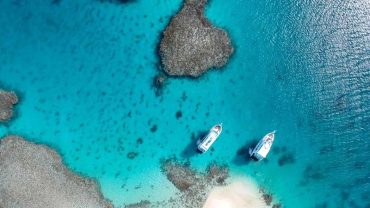
– Rajskiej wyspie Hurghada
What paradise island Included:
- Profesjonalny lokalny przewodnik.
- Transfer z hotelu.
- Wszystkie Podatki, bilety wstępu I opłaty za Usługi rajskiej wyspie hurghada.
- Woda mineralna + Cola + Mleko + Kawa / Herbata.
- 2 miejsca do nurkowania.
- Sprzęt do nurkowania Maska, kamizelki Ratunkowe, Płetwy".
- 120 minut w rajskiej wyspie.
- lunch w formie bufetu na jachcie.
- Świeże owoce w łodzi.
- Gry wodne.
Hurghada słynie z pięknych raf koralowych i jeden z najlepszych sposobów na zapoznanie się z nimi udać się w podróż z rurką. Podziwiać kolorowe ryby i różnorodnej flory i fauny morskiej, które może zaoferować morze Czerwone.
Hurghada trips Egypt in 2024
2 - zwiedzanie Starożytnego Egiptu: rozejrzyj się, aby zobaczyć niektóre z najważniejszych zabytków Starożytnego Egiptu, na przykład, wycieczka po Hurghadzie kair
(. Odwiedź Wielki Piramidy z w Gizie. Poznaj świątynia doliny Хефрен i popatrz na wielki posąg Wielkiego Sfinksa. Rozejrzyj się w muzeum Egipskiego, w którym znajduje się ponad 120 000 zabytków Starożytnego Egiptu. Podziwiać skarby króla-dziecka Tutanchamona.)
Wyjazd z Hurghady do Kairu
NAJWAŻNIEJSZE
- Odwiedź piramidy w Gizie .
- Wielki Sfinks
- Stary Kair, Bazar
- Jazda konna i przejażdżka na wielbłądach wokół piramid
- Khan Al-Khalili
- Odwiedź muzeum Egipskie.
- Obiad.
- Grupowa wycieczka z przewodnikiem.
- Bez zbędnych kłopotów.
- Żadnych ukrytych kosztów.
Wycieczka z wyjazd z hurghady do luksoru autobusem – hurghada, Luxor, wycieczka po Dolinie królów i Карнакскому храмовому kompleksu
– Wyjazd z Hurghady do Luksoru
główne punkty:
– . Odwiedź Dolinę królów
Odwiedź grobowca Tutanchamona
– . Karnak temple
Statua Memnona
– . Luxor temple
Świątynia – Sanktuarium Hatszepsut
– Rejs po Nilu na фелуке
– Transfer do hotelu i z powrotem:
– czas z Luksor w Hurghadzie: 17 godzin
3 – – Nurkowanie w Hurghadzie – Ciesz się najlepszym nurkowanie-wycieczki w Hurghadzie dla początkujących i profesjonalistów w Egipcie nad morzem Czerwonym, w towarzystwie doświadczonego przewodnika nurkowania i wybierz się na dwa nurkowania w dwóch różnych miejscach do najpiękniejszych miejsc do nurkowania w Hurghadzie nad morzem Czerwonym, aby odkrywać podwodny świat i wiele, wiele więcej, niż można robić w port morski w hurghadzie .
Podróż w Hurghadzie z nurkowania obejmuje:
- Transfer z hotelu.
- Bezpłatny transfer z hotelu lub miejsca zakwaterowania w Hurghada.
- Sprzęt do nurkowania.
- 12-litrowy zbiornik i ołowiany утяжеляющий pas.
- Sprzęt do nurkowania Maska, kamizelki Ratunkowe, Płetwy".
- Profesjonalny lokalny przewodnik.
- VIP-lunch.
- Woda i napoje bezalkoholowe.
- Kawa, Herbata.
- Transport z Makadi bay, w Al-Dżunie, Soma Bay lub Sahl-Hasheesh dodatkowe 15 dolarów za samochód w 2 strony.
The Best Exciting Hurghada trips Egypt in 2024
4 – Safari na saharze w Hurghadzie Do bardziej ekscytującej przygody można również wybrać się na wycieczkę na quadach po pustyni. Poznaj okolicę na внедорожном motocyklu i podziwiać ekscytujące piękno pustyni w pobliżu.
Co zawiera Super safari na Saharze w Hurghadzie:
Hurghada: Сафай, Quada, Jeepa, Buggy, Wielbłąd i GRILL
- Transfer z hotelu w Hurghadzie Jeep 4x4WD Samochód.
- Lokalny przewodnik
- Używanie kasku.
- 45 minut jazdy na quadzie.
- 20 minut jazdy samochodem-pająku.
- Wizyta бедуинской wsi, zapoznanie się z życia osady
- Próbujemy бедуинский chleb
- Jazda na wielbłądach
- Odkryty kolacja w formie bufetu, grill
- Napoje bezalkoholowe, woda Mineralna / бедуинский herbaty.
- Wracajcie w swój hotel w Hurghadzie na jeepa
5 – Wycieczka do Delfinarium Hurghada– jest Jedno z najlepszych ćwiczeń, które możesz robić w Hurghadzie dla rodzin, par, rodzin z dziećmi, par i osób starszych. To znaczy zarezerwować przyjemny, żeglarstwo, wycieczki na VIP-turystycznej łodzi w Dom Delfinów w morzu Czerwonym.
Wycieczka do Delfinarium Hurghada – Szczegóły
– Włączyć:
- Transfer z hotelu w Hurghadzie.
- Lokalny przewodnik dla podwodnego pływania
- Kamizelki ratunkowe.
- Sprzęt do nurkowania "Maski i płetwy".
- Sporty wodne obejmują 2 miejsca do nurkowania.
- lunch w formie bufetu na jachcie.
- Świeże owoce w łodzi.
- Woda mineralna + Cola + Mleko + Kawa / Herbata.
6- Królewski Morskie Przestrzenie W Hurghadzie to właściwy wybór dla wszystkich miłośników podwodnego świata. Zarezerwuj miejsce na czas. Oferujemy państwu wysokiej jakości i szybka obsługa. Twoje zadowolenie jest najważniejsze.
Royal sea scope Zawiera Hurghadzie:
- Wszystkie transfery z hotelu i z powrotem - W samochodzie z klimatyzacją;
- napój
- Bilety wstępu i сумбаринский bilet w hurghada
- Wszystkie opłaty i podatki wliczone
- Jeden przystanek do nurkowania na 40 minut;
- Kamizelka
- Używanie sprzętu do nurkowania;
- Pokaz Nurków
- Полуподводная łodzi
- Instrukcja podwodnego pływania.
Najlepsza ekscytująca podróż w Hurghadzie, Egipt, w 2024 roku
7- Pokaz Delfinów w Hurghadzie – 1-godzinny pokaz delfinów z całą rodziną i stać się świadkami inteligencji i uroku tych wyjątkowych zwierząt. Ciebie z wygodą zabiorą i zabiorą z powrotem do domu. Hotel w komfortowym samochodzie z klimatyzacją.
NAJWAŻNIEJSZE Pokaz Delfinów W Hurghadzie
- Spędźcie z delfinami.
- Przekonaj się, w ich niesamowitym umyśle i błyskotliwy.
- Dobra okazja popływać z delfinami (przy dodatkowym rezerwacji).
- Żadnych ukrytych kosztów.
- Bez zbędnych kłopotów.
8-Nurkowanie i Snurkowanie w Hurghadzie – Sahl Hasheesh: Najlepsza Wycieczka Morza Czerwonego
Podróż morska Sahl Hasheesh
nurkowanie-wycieczka po Hurghadzie z Sahl-Hasheesh - Poznaj zatokę Sahl-Hasheesh w zredukowane rundzie z włączonym transferem z Hurghady. Popływać z maską i rurką w 3 różnych miejscach w krystalicznie czystych wodach morza Czerwonego. Goście mogą zrelaksować się na słonecznym tarasie i w basenie królewskiego jachtu i ciesz się świeżym lunch w formie bufetu.
Co wchodzi w program nurkowania z maską i rurką w Hurghadzie:
- Transfer z hotelu około 09.30 (dokładny czas poinformujemy po rezerwacji);
- Jazda po plaży na dobrze przygotowanych koniach i wielbłądzie z фотосессией trwające około godziny;
- Przejazd na aleję faraonów do sesji zdjęciowej przy wejściu na teren w ciągu 30 minut;
- Od 12:00 wakacje na prywatnej plaży, nurkowanie z maską i rurką w zatopionym mieście, obiad z napojami i снеками;
- Dalsza program jest podana poniżej.
9-Wycieczka do parku koralowego Sharm el Naga – Egipt
Nurkowanie w Sharm-El-NagaWycieczka do Egiptu – raj dla nurkowania z domowym koralowej i pięknej plaży
Sharm el Naga uważana za jedną z najpiękniejszych plaż Egiptu i znajduje się na południu Kraju.Hurghadziew pięknej zatoce z domowym koralowej. Rafa koralowa - jeden z najbardziej imponujących skarbów morza Czerwonego, można do niego dojechać z brzegu.
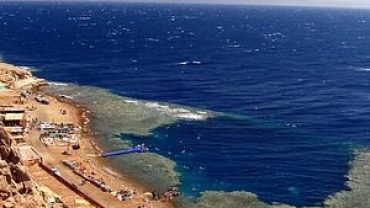
Sharm el Naga - piękna zatoka znajduje się około 45 km od Hurghady, w pobliżu zatoki Soma. Plaża z domowym koralowej i krystalicznie czystą wodą, która nie pozostawia wiele do życzenia - i daje poczucie, że odkryli dla siebie prawdziwy raj na ziemi.
Инклюзивный:
- Transfer z hotelu na wysokiej jakości samochodach z klimatyzacją
- Wypożyczalnia sprzętu do nurkowania
- Autostopowicz w podróży
- Obiad
the best exciting Hurghada trip 2024
10--Podróż morska na prywatnym jachcie
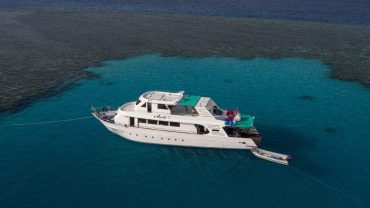
morskie wycieczki w Hurghadzie -podróż Morska na prywatnym jachcie - Zrelaksować się z Wycieczka PrywatnaSkonfigurowany specjalnie dla Ciebie. Wyspa, zachód słońca podróż, Nurkowanie, Wędkarstwo
Morskie wycieczki po wyspie Дифтун w Hurghadzie / organizujemy wycieczki codziennie od 08:30 do 16:00.
Co jest wliczone w cenę/
Transport zabiera z hotelu w Hurghadzie i przywozi z powrotem po zakończeniu trasy.
W morzu jest wydawane sprzęt do nurkowania i wędkowania.
W cenę wliczony jest lunch oraz napoje bezalkoholowe.
11- Przejażdżka łodzią po EL Gounie
Activities in gouna Boat Trip /Working days / Everyday
Co wchodzi w zestaw Wycieczki po El Gounie :
- transfer z / do hotelu w wysokiej klasy samochodach z klimatyzacją
- rejs statkiem z przystankami do nurkowania i wędkowania
- Zwiedzanie miasta łodzi w El Gounie i Wycieczka na łodzi podwodnej
- sprzęt do nurkowania i wędkowania i uprawiania Sportów wodnych
- pomoc w podręczniku
- obiad na pokładzie jachtu
- woda mineralna i napoje bezalkoholowe
12- Jazda konna w Hurghadzie za 2 godziny (pustynia i plaża)
- NAJWAŻNIEJSZE
- Prywatny transport
- Woda butelkowana
- Kawy i / lub herbaty (lub cola itp.)
- Kask
- 2 godziny jazdy konnej w pustyni i plaży
- Prywatny profesjonalny trener
najlepsze ekscytujące wycieczki w Hurghadzie, Egipt, w 2024 roku
13- Parasailing w Hurghadzie
Zapraszamy na wyjątkowy wypoczynek w Hurghadzie z парасейлингом, gdzie do парашюту dołączony szybki kuter, jedna lub dwie osoby mogą jeździć jednocześnie podziwiając atrakcyjne widoki na to niesamowite miejsce.
- 10 minut zabawy z парасейлингом
- Wszystkie transfery są realizowane w komfortowym samochodzie z klimatyzacją.
- Wszystkie usługi i podatki lokalne
14- Wyprawa Na ryby W Hurghadzie W morzu czerwonym
Najważniejsze
- Zapraszamy na ryby ze swoim partnerem lub grupą.
- Goście mogą zażywać kąpieli słonecznych na tarasie w morzu Czerwonym.
- Dwukrotnie zatrzymuj się w doskonałych miejscach połowów.
- Jedz wszystko, co mógł złapać
- Złap smaczną rybę, którą można zabrać ze sobą na plażę
- Zapraszamy na darmowy lunch w formie bufetu na pokładzie.
najlepsza ekscytująca podróż w Hurghadzie, Egipt, w 2024 roku
15- Hurghada Grand Aquarium - Cena 2026 – Wycieczka do Wielkiego Akwarium w Hurghadzie
ZAWARTE
Bilet obejmuje zwiedzanie akwarium, zoo, tropikalne lasy, веревочного mostu, pokaz karmienia rekinów i muzeum wadi al-Хитан.
- Transfer z hotelu do hotelu w Hurghadzie.
- Samochód z klimatyzacją.
- Wejście w Wielkim akwarium w Hurghadzie.
- Wejście do zoo.
- Wszystkie opłaty i podatki.
16- Wycieczki Aqua Park Hurghada Jungle
Co jest wliczone w koszt Wycieczki do aquaparku w Dżungli:
- wygodny transport z / do hotelu w Hurghadzie w samochodzie z klimatyzacją
- bilet do parku wodnego i opłaty
- Prowadzenie w języku angielskim
- obiad i napoje bezalkoholowe
- opłata za obsługę i podatki są wliczone w cenę
17-Mini-Egipski park w Hurghadzie
NAJWAŻNIEJSZE
- Samochód z klimatyzacją ( spotkanie i lądowanie)
- Odkryj 55 najbardziej znanych atrakcji Egiptu — wszystko w miniaturze
- Najlepsza lekka jazda (przyjazny rodzinie)
- Суперпроекты głównych atrakcji Egiptu
- Mini-Egipski park
- Profesjonalny Przewodnik
najlepsza ekscytująca podróż w Hurghadzie, Egipt, w 2024 roku
18- Wycieczka z hurghady - VIP all in one
Najważniejsze
- Transport tam i z powrotem w autobusie z klimatyzacją
- Przejażdżka łodzią w morze do domu delfinów
- Popływać z maską i płetwami w delfinarium
- Przewodnik-instruktor przeprowadzi instruktaż nurkowania
- Jedno nurkowanie z akwalungiem prawie 15 minut na głębokości 7-9 m
- Ciesz się pięknem dna morskiego morza Czerwonego
- Popływać z maską i płetwami obok кареллами, aby cieszyć się pięknem morza Czerwonego
- Zobacz na własne oczy na malownicze ogrody koralowe
- wędkowanie
- Masuj prawie 15 min.
- obiad i napoje bezalkoholowe
19- prywatny autobus z hurghady w aswan
Wyjazd z Hurghady w Asuan i Zwiedzanie Abu Симбелу Włączony/
– Spotkanie w hotelu w Hurghadzie i zwrot
– Przewodnik-egiptolog podczas wycieczki
– Bilety wstępu do wymienionych historyczne miejsca płatne
-Wszystkie transfery są wykonywane na nowoczesnym samochodzie z klimatyzacją
– Bilety na pociąg z Luksoru do Asuanu i z powrotem
-Woda mineralna na pokładzie samochodu
– Zakwaterowanie na jedną noc w Asuanie w hotelu 5*
2 x dziennie w porze lunchu zasilanie w Asuanie
– Wszystkie Opłaty i podatki
najlepsza ekscytująca podróż w Hurghadzie, Egipt, w 2024 roku
20- Podróż w Hurghadzie i Luxor – LUXOR NA DWA DNI
Najważniejsze
- Odbiór własny ( Duży autokar )
- Historyczny Profesjonalny Przewodnik
- Karnak temple
- Dolina Królów
- Podróż po rzece Nil ( po prostu Przejście ze Wschodu na Zachód )
- Zdumiewający Memnon
- Świątynia Hatszepsut
- Obiad
- Hotel w Luksor
- Balon z Gorącym Powietrzem
- Zwiedzanie Fabryki Алебастровой
- Wolny Spacer Po Rynku Luksor Z Naszym Przewodnikiem.
-Wybierz jedną z ponad 50 propozycji morskich spacerów i wycieczek po historycznych Hurghadzie
wiatr w hurghadzie - temperatura w hurghadzie -temperatura morza w hurghadzie-temperatura w hurghadzie
w marcu w Hurghadzie wietrznie?–W Hurghadzie jest bardzo wietrznie? Marzec to dobry czas na wizyty w Hurghadzie?
Pogoda w Hurghadzie w marcu zwykle ciepła, temperatura w dzień waha się od 20 °C do 25°C, okresowo może być wietrznie. Wiatry w Hurghadzie w marcu mogą być spowodowane przez sezonowymi zmianami w tym obszarze, i czasami mogą one zwiększać temperaturę. Ja bym radził sprawdzić prognozę pogody bezpośrednio przed rozpoczęciem podróży, aby uzyskać bardziej dokładne wyobrażenie o warunkach. Który zmienił się w ostatnich latach, w związku ze zmianą klimatu. W poszczególnych latach w marcu zaobserwowano słoneczna i ciepła pogoda, bez żadnych wiatrów.
Co miesiąc w Egipcie najbardziej wietrzny?
Najbardziej wietrzny miesiąc w Egipcie zmieniają się w zależności od lokalizacji. Jednak, ogólnie rzecz biorąc, najbardziej wietrzne miesiące w kraju - od kwietnia do czerwca, kiedy od strony sahary wieją silne wiatry, znane jako хамсин. Te wiatry mogą powodować burze piaskowe i pogarszać widoczność. Obszary nadmorskie, takie jak Aleksandria i Hurghada, mogą również występować silne wiatry, szczególnie w miesiącach wiosennych i letnich.
Ważne jest, aby pamiętać, że warunki wiatru mogą się zmieniać z roku na rok i mogą zależeć od różnych czynników, takich jak regionalne warunki pogodowe i zmienność klimatu. Aby uzyskać lepsze wyobrażenie o warunkach wiatru podczas podróży, zaleca się sprawdzenie lokalne prognozy pogody bliżej daty twojej podróży.
temperatura morza w hurghadzie – temperatura wody w hurghadzie
Temperatura morza w Hurghadzie, Egipt, zmienia się w ciągu roku, ale ogólnie jest ciepło i nadaje się do kąpieli. W marcu średnia temperatura morza w Hurghadzie wynosi około 22 ° C, co w ciepłe dni może wydawać się dość orzeźwiający. Z upływem roku temperatura morza w Hurghadzie zwiększa się, przy czym najbardziej ciepłe wody są zwykle od czerwca do września, kiedy temperatura może wynosić do 28 ° C.
Czy można się kąpać w Hurghadzie w marcu?
Tak, w marcu w Hurghadzie można się kąpać. Średnia temperatura morza w Hurghadzie w marcu wynosi około 22 ° C, co jest dość ciepło do komfortowego pływania większości ludzi. Jednak temperatura wody może wydawać się chłodniej lub cieplej w zależności od warunków pogodowych i indywidualnej tolerancji.
Zawsze warto zapoznać się z lokalnej pogody i stan morza, przed wyruszeniem do kąpieli, ponieważ wiatr i inne czynniki mogą mieć wpływ na temperaturę i jakość wody. Ponadto, ważne jest, aby zawsze przestrzegać lokalnych zaleceń dotyczących bezpieczeństwa i pływać w wyznaczonych miejscach pod opieką dyżurujących ratowników.
Czy węże w hurghadzie ?
Tak, w egipskiej Hurghadzie są węże, ale spotkania z nimi są rzadkie. Hurghada znajduje się w terenie pustynnym, i niektóre gatunki węży, takie jak pustynia cobra i żmija piaskowa, można spotkać w okolicznych pustynnych obszarach. Jednak te węże zazwyczaj straszni i będą unikać kontaktu z ludźmi, jeśli nadarzy się okazja.
Warto zauważyć, że węże są zwykle bardziej aktywne w nocy, a w dzień się z nimi rzadko można spotkać. Jeśli jednak spotkać węża, ważne jest, aby zachować spokój i unikać gwałtownych ruchów. Większość węże nie atakują, jeśli nie czują zagrożenia, dlatego lepiej dać im wystarczająco dużo miejsca i pozwolić im odejść na własną rękę.
Jeśli obawiasz się zmierzyć z wężami podczas pobytu w Hurghadzie, lepiej trzymać się dobrze utartych szlaków i unikać chodzenia na odcinkach z wysoką trawą lub gęstym podszyciem, gdzie mogą ukrywać się w węża.
Kolosy Memnona


















 English
  German
  French
  Polish
  Russian
  Czech
Czech  Spanish
  Romanian
  Turkish
  Italian
  Hungarian
Komentarz (0)