

✨ Introduction: The King Who Refused to Be Forgotten
In the vast timeline of ancient Egypt, few names shine as brightly as Ramesses II.
He wasn’t just a ruler—he was a symbol of power, ambition, and immortality. His statues tower over temples, his name is carved into stone across Egypt, and his story still echoes through history thousands of years later.
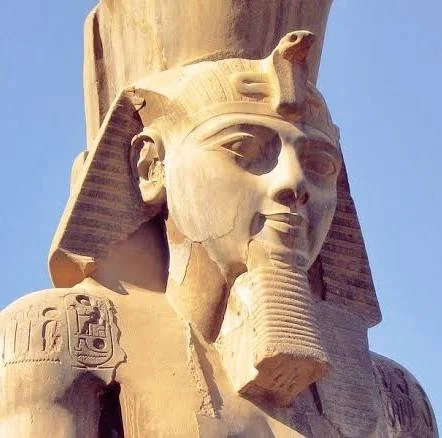
Known as “Ramesses the Great,” he ruled during one of the most powerful and prosperous periods of ancient Egypt. From epic battles and groundbreaking peace treaties to monumental temples like Abu Simbel and Ramesseum, his legacy is impossible to ignore.
In this in-depth guide, you’ll discover everything:
- His rise from prince to pharaoh
- His military genius and political strategy
- His architectural masterpieces
- His personal life and family
- And why he is still called “The Great”
Top 15 tourist places to visit in Egypt
👑 Who Was Ramesses II?
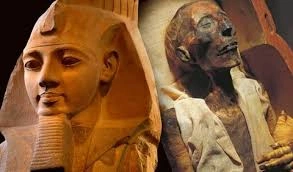
Ramesses II was the third ruler of the 19th Dynasty and one of the most powerful pharaohs in ancient Egyptian history.
He ruled for around 66 years (1279–1213 BCE)—one of the longest reigns ever recorded.
But what made him truly exceptional wasn’t just his long rule. It was how he used time to:
- Expand Egypt’s influence
- Build massive monuments
- Strengthen religion and culture
- Shape a legacy designed to last forever
Historians often describe him as:
👉 The ultimate combination of warrior, builder, and strategist
🧬 Early Life and Royal Upbringing
Ramesses was born into power. His father, Seti I, was a strong and respected ruler who restored Egypt’s military strength.
From an early age, Ramesses was prepared for leadership:
- He trained in warfare
- Learned administration and politics
- Studied religion and rituals
- Accompanied his father on military campaigns
By the time he was a teenager, he wasn’t just a prince—he was already acting like a future king.
👉 This early exposure shaped his confidence and ambition.
👑 Rise to the Throne
Unlike many rulers in ancient times, Ramesses II’s rise to power was smooth.
He was appointed Crown Prince early and gradually took on responsibilities before officially becoming pharaoh.
When he ascended the throne:
- The army respected him
- The priests supported him
- The people trusted him
This strong foundation allowed him to start his reign with stability—something rare in ancient history.
⚔️ Military Power and the Battle of Kadesh
Ramesses II was not just a builder—he was a warrior king.
🏹 The Battle of Kadesh
One of the most famous events of his reign was the Battle of Kadesh against the Hittites.
📍 Location: Near modern-day Syria
📅 Around 1274 BCE
This battle was:
- One of the largest chariot battles in history
- A strategic turning point for Egypt
Although the outcome was complex, Ramesses portrayed it as a great victory. He had the story carved into temple walls at:
- Tempio Di Karnak
- Tempio Di Luxor
👉 This shows his brilliance not just in war—but in propaganda and image-building.
🤝 The First Peace Treaty in History
After years of conflict, Ramesses II did something revolutionary:
👉 He signed the first recorded peace treaty in history with the Hittites.
This treaty:
- Ended long-standing conflicts
- Created stability in the region
- Established diplomatic relations
It proved that Ramesses was not just a warrior—but also a visionary leader who understood the value of peace.
🏛 Architectural Achievements: Building for Eternity
If there’s one thing Ramesses II mastered, it was immortality through architecture.
He built more monuments than almost any other pharaoh.
🔺 Abu Simbel – The Ultimate Statement of Power
Abu Simbel is one of his greatest achievements.
Caratteristiche:
- Four colossal statues of Ramesses II
- Carved directly into rock
- Aligned with the sun (solar phenomenon twice a year)
Purpose:
- Impress enemies
- Honor the gods
- Showcase divine power
🏛 The Ramesseum – His Mortuary Temple
Ramesseum was built as his temple for the afterlife.
Inside:
- Giant statues
- Detailed battle scenes
- Religious inscriptions
It wasn’t just a temple—it was a storybook carved in stone.
🏗 Karnak and Luxor Contributions
At:
- Tempio Di Karnak
- Tempio Di Luxor
Ramesses added:
- Massive statues
- Obelisks
- Relief carvings
👉 Everywhere you go in Egypt… you’ll find his name.
👑 Personal Life: Wives and Children
Ramesses II had one of the largest royal families in history.
💎 Queen Nefertari
His most beloved wife was Nefertari.
She was:
- Intelligent
- Influential
- Deeply respected
He built a temple for her at Abu Simbel—something extremely rare.
👨👩👧👦 A Massive Royal Family
Ramesses had:
- Over 100 children
His sons:
- Served in the military
- Took administrative roles
His daughters:
- Played political roles
- Strengthened alliances
👉 His family was part of his power strategy.
🏺 Religion and Divine Image
Ramesses II presented himself as:
- The son of the sun god Ra
- A living god on Earth
He built temples to honor:
- Amun
- Ra
- Ptah
Religion wasn’t just belief—it was a tool of power.
🧟 Death and Mummy
Ramesses II lived to around 90 years old—an incredible age for ancient times.
His mummy was discovered in:
- La valle dei Re
Today, it is displayed in:
- Museo nazionale della Civiltà Egizia
Scientific studies revealed:
- He suffered from arthritis
- Had strong facial features
- Lived a long, active life
🎭 Ramesses II in Modern Culture
Ramesses II is still alive in modern imagination.
He appears in:
- Movies like The Prince of Egypt
- Books and historical novels
- Video games
📜 The “Ozymandias” Legacy
The famous poem Ozymandias was inspired by him.
It reminds us:
👉 Even the greatest kings fade—but their legacy can still inspire.
🌍 Why Ramesses II Still Attracts Tourists
Millions visit Egypt every year to see his legacy.
Top sites include:
- Abu Simbel
- Ramesseum
- La valle dei Re
Why?
- His monuments are massive
- His story is powerful
- His legacy feels alive
🏆 Why Is He Called “Ramesses the Great”?
Because he mastered everything:
✔ Military power
✔ Political intelligence
✔ Architectural genius
✔ Religious influence
✔ Long and stable rule
He didn’t just rule Egypt…
👉 He defined an entire era.
✨ Conclusion: A King Who Conquered Time
The story of Ramesses II is not just history—it’s a legend carved in stone.
From the battlefields of Kadesh to the temples of Abu Simbel, his presence is still felt today.
He understood something most rulers never did:
👉 Power fades… but legacy lasts forever.
And that’s exactly what he built.

 English
  German
  French
  Polish
  Russian
  Czech
Czech  Spanish
  Romanian
  Turkish
  Italian
  Hungarian
0 Comment