

1. Smart Preparation Before Traveling to Egypt
Why What You Know Before Arrival Determines Everything
Egypt Travel -Egypt is not a destination you “figure out as you go.”
It’s a country that rewards preparation and punishes assumptions.
Many travelers arrive imagining Egypt as a giant open-air museum.
They leave either amazed—or exhausted—depending on how prepared they were.
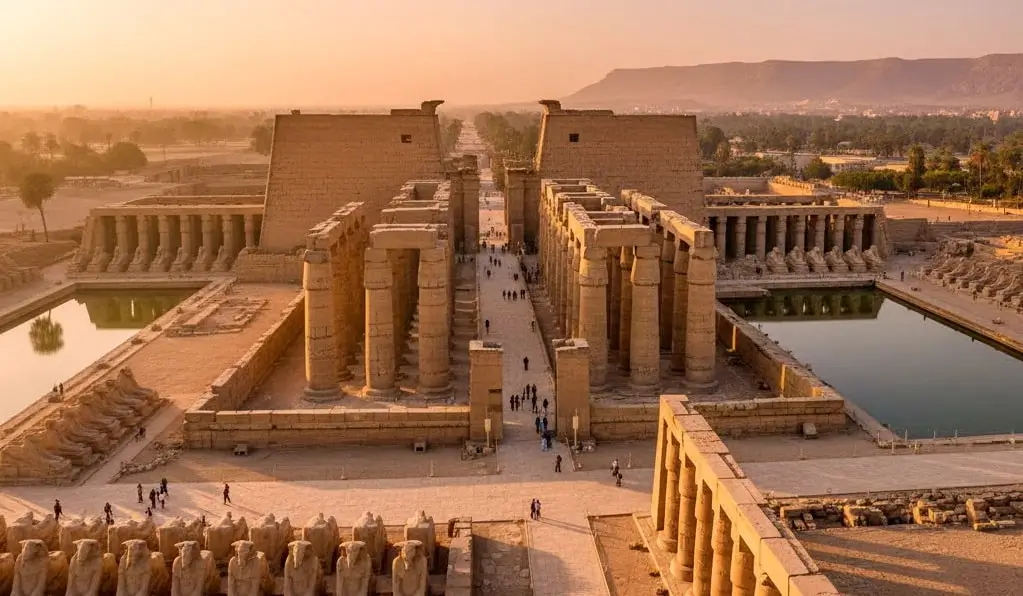
Understanding Egypt Beyond the Brochures
Egypt operates on layers:
- Ancient history that never truly ended
- Deeply rooted traditions
- A modern society balancing tourism, survival, and pride
- A pace of life that doesn’t obey Western logic
Understanding this before you land changes how you interpret everything:
- Delays feel normal, not frustrating
- Attention from locals feels contextual, not aggressive
- Chaos feels alive, not threatening
Climate Awareness = Energy Management
Egypt’s climate shapes the entire travel experience.
- Summer heat is real, dry, and intense
- Winter evenings can be surprisingly cool
- Sun exposure is constant—even in winter
Smart travelers plan sightseeing early morning and late afternoon, leaving midday for rest.
Expectations vs Reality
Egypt is:
- Warm and welcoming
- Loud and crowded
- Safe but demanding awareness
- Beautiful but not polished
Arriving with realistic expectations is the single biggest factor in enjoying Egypt.
2. Egypt Travel – Passport & Visa Requirements (Non-Negotiable Basics)
Before dreams, itineraries, or hotels—documentation comes first.
Passport Validity Rules
Your passport must be valid for at least 6 months beyond your planned departure date from Egypt.
No exceptions. No flexibility.
Immigration officers check this carefully.
Visa Options Explained Clearly
Most travelers fall into one of these categories:
Visa on Arrival
- Available for many nationalities
- Obtained at Egyptian airports
- Paid in USD (cash recommended)
Egypt e-Visa
- Applied for online before travel
- Reduces airport hassle
- Ideal for planners
Sinai-Only Stamp
- Limited to Sharm El Sheikh area
- No travel beyond Sinai allowed
- Often misunderstood by travelers
Common Visa Mistakes
- Assuming card payment is accepted
- Not carrying exact cash
- Confusing Sinai stamp with full Egypt visa
These mistakes cause unnecessary stress at arrival—entirely avoidable.
3. Egypt Travel – Choosing Destinations & Building the Right Itinerary
How to See Egypt Without Burning Out
Egypt is not meant to be rushed.
Trying to “see everything” is the fastest way to see nothing properly.
Egypt’s Three Travel Pillars
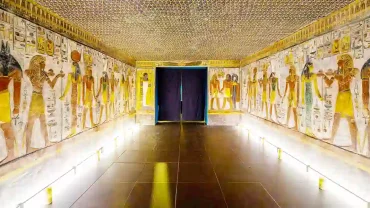
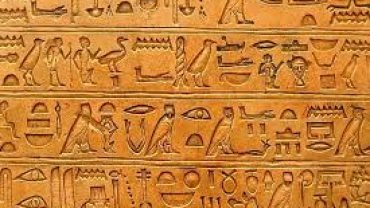
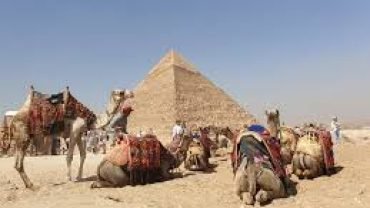
Ancient Civilization
The heart of Egypt’s global fame.
- Pyramids of Giza
- Karnak Temple
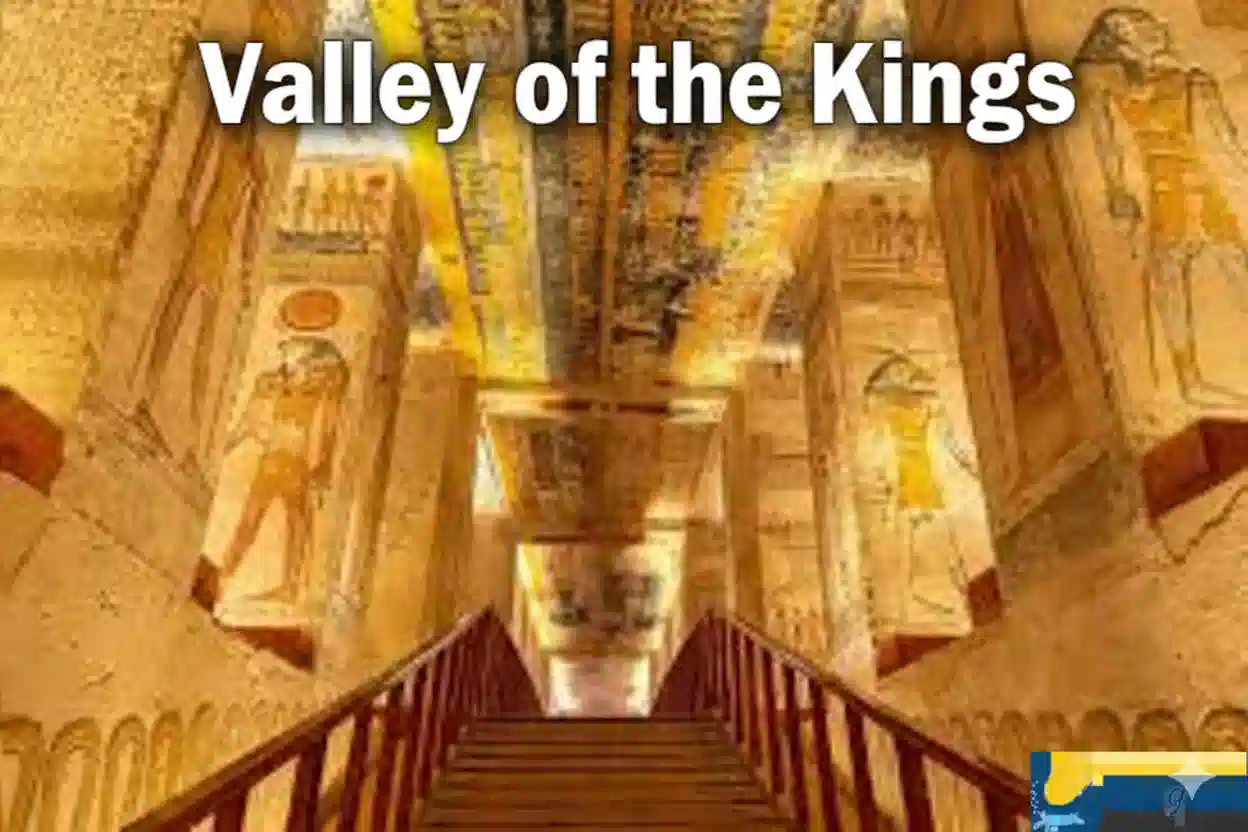
- Valley of the Kings
- Abu Simbel
These are not quick photo stops.
They demand time, walking, and mental energy.
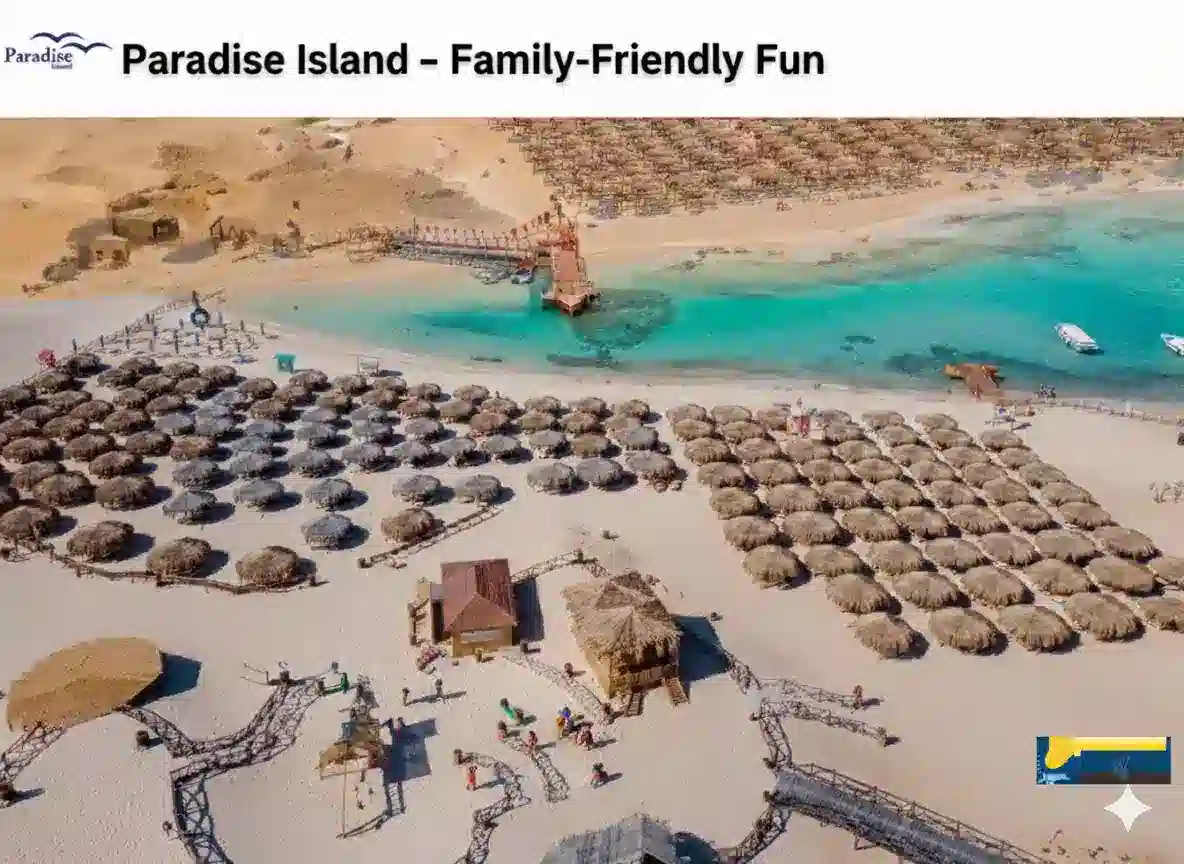
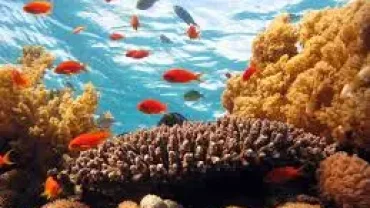
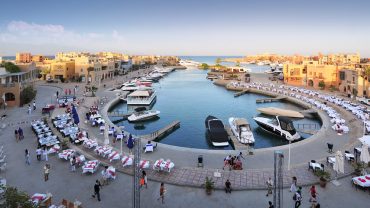
Red Sea Relaxation
Egypt’s balance to history.
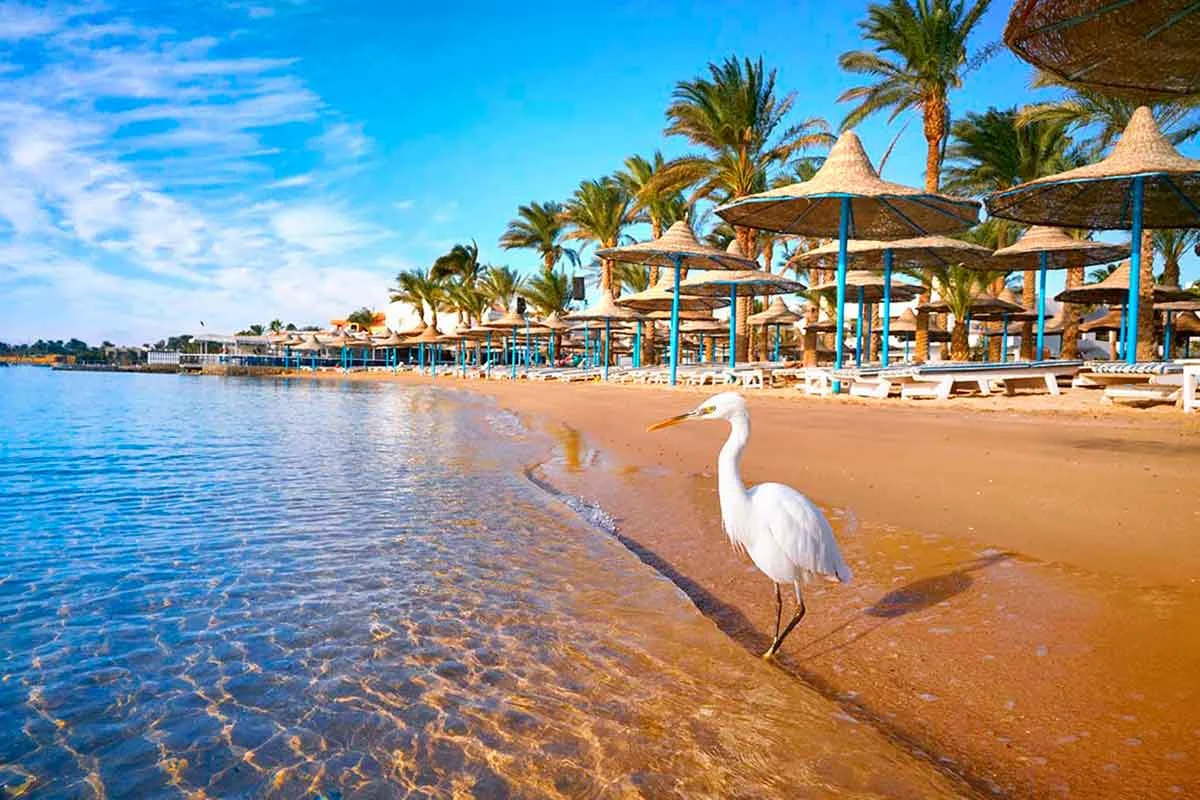
- Hurghada
- Sharm El Sheikh
- Dahab
Ideal for rest, diving, snorkeling, and recovery.
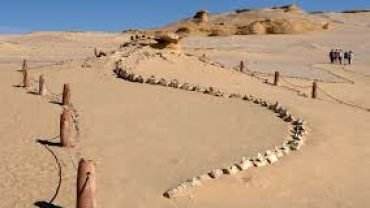
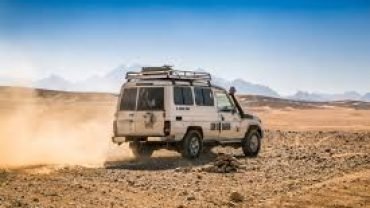
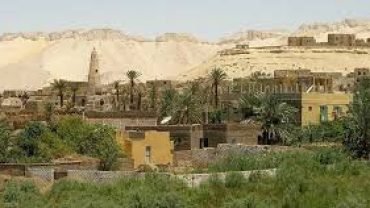
Desert & Oasis Experiences
Egypt’s soul.
- White Desert
- Siwa Oasis
- Fayoum
Silence, stars, and timeless landscapes.

First-Time vs Repeat Travelers
First-time visitors should focus on:
- Cairo + Giza
- Luxor
- One Red Sea resort
Repeat travelers can explore:
- Alexandria
- Nubia
- Remote oases
4. Egypt Travel – Packing Smart for Egypt’s Climate & Culture
What You Bring Shapes How You Feel Every Day
Overpacking is common.
Under-packing correctly is rare—and powerful.
Clothing Essentials
- Lightweight, breathable fabrics
- Loose, modest cuts
- Long sleeves for sun and culture
- Evening layers (especially winter)
Footwear (Critical)
- Comfortable walking shoes (arch support matters)
- Sandals for evenings and hotels
Egypt is walked—a lot.
Sun & Health Protection
- High-SPF sunscreen
- Sunglasses
- Hat or scarf
- Lip balm

“People Forget These” Items
- Tissues
- Hand sanitizer
- Electrolytes
- Small backpack
- Portable power bank
Smart packing prevents:
- Heat exhaustion
- Cultural discomfort
- Health issues
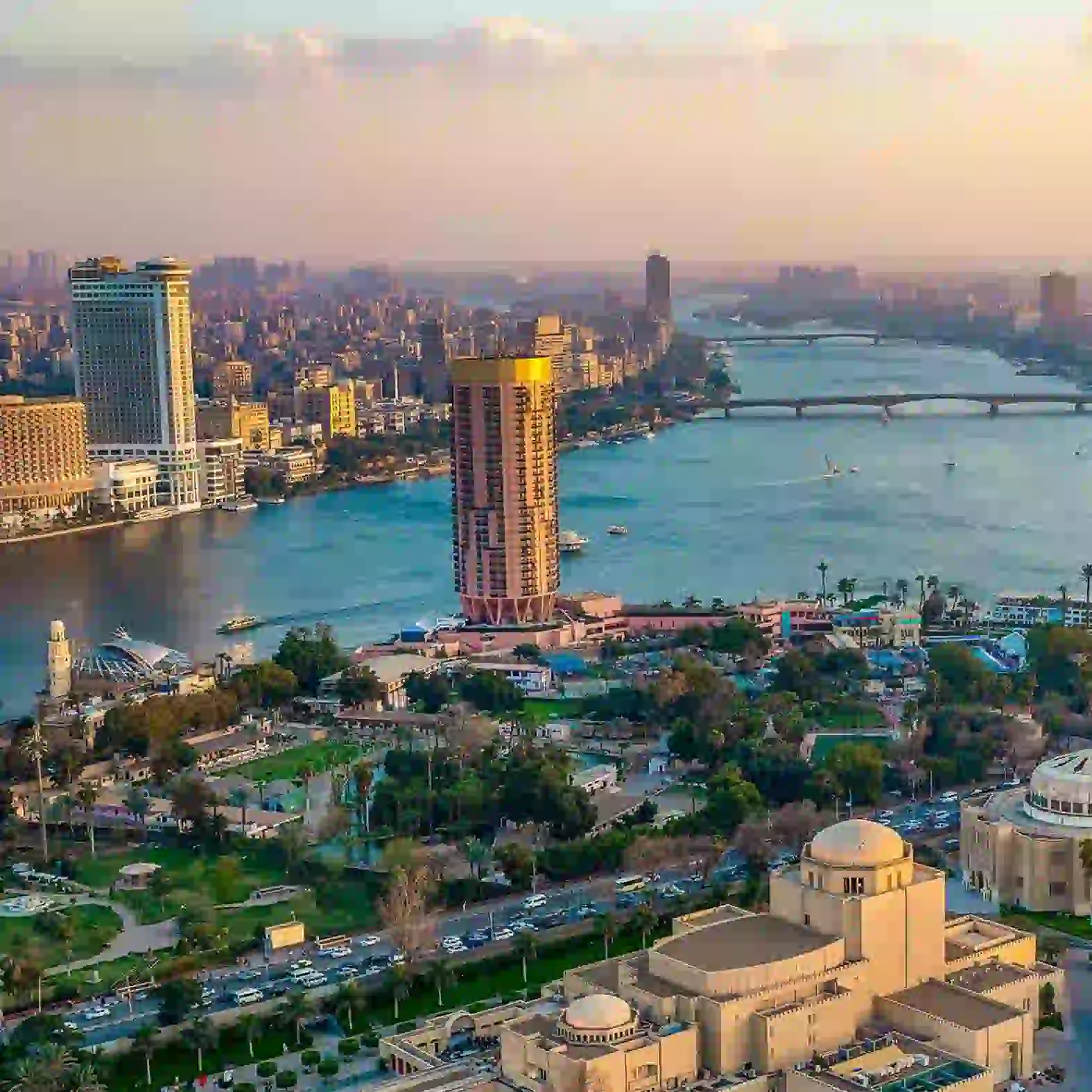
5. Egypt Travel – Getting Around Egypt Safely & Efficiently
Transportation Can Make or Break Your Trip
Egypt’s transportation system works—but not intuitively.
Long-Distance Travel Options
Domestic Flights
Fast, reliable, and affordable between:
- Cairo
- Luxor
- Aswan
Trains
- First class only
- Comfortable for Nile routes
- Book ahead
Nile Cruises
Not transport—an experience.
Floating history, slow rhythm, zero stress.
City Transport
- Uber & Careem: reliable
- Private drivers: best overall option
- Avoid informal taxis unless experienced
One Strong Rule
Do not self-drive in Egypt.
Traffic logic here is learned—not taught.

6. Cultural Etiquette, Local Customs & Tipping
Respect Is the Universal Language
Egyptians are warm, curious, and proud.
They appreciate:
- Politeness
- Respect for religion
- Interest in their culture
Dress & Behavior
- Modest dress outside resorts
- Minimal public affection
- Respect prayer times
Tipping Culture (Baksheesh)
Tipping is not optional—it’s social structure.
Typical expectations:
- Small services: small change
- Drivers: daily tips
- Guides: appropriate appreciation
Carry small bills separately.
7. Health, Hygiene & Personal Safety -Egypt Travel –
How to Avoid Common Travel Problems
Water Rules
- Drink bottled water only
- Avoid ice outside hotels
- Tap water for washing is fine
Food Safety
- Eat freshly cooked meals
- Avoid raw vegetables
- Peel fruit yourself
Hygiene Discipline
- Wash hands often
- Use sanitizer
- Avoid touching face
Safety Reality
Egypt is safe for tourists—but awareness matters:
- Watch belongings
- Avoid heated discussions
- Ignore unsolicited “help”
Confidence reduces problems.
8. Money, Budgeting & Daily Expenses
How to Manage Money Without Stress
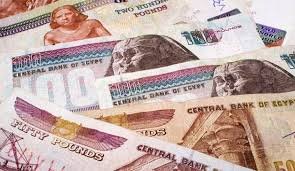
Currency Basics
- Egyptian Pound (EGP)
- USD & EUR accepted in tourism
- Exchange at banks or offices
Daily Budget Ranges
- Budget: $40–60
- Mid-range: $75–150
- Luxury: $200+
Cash Strategy
- Carry small denominations
- Keep large amounts hidden
- Separate tipping money
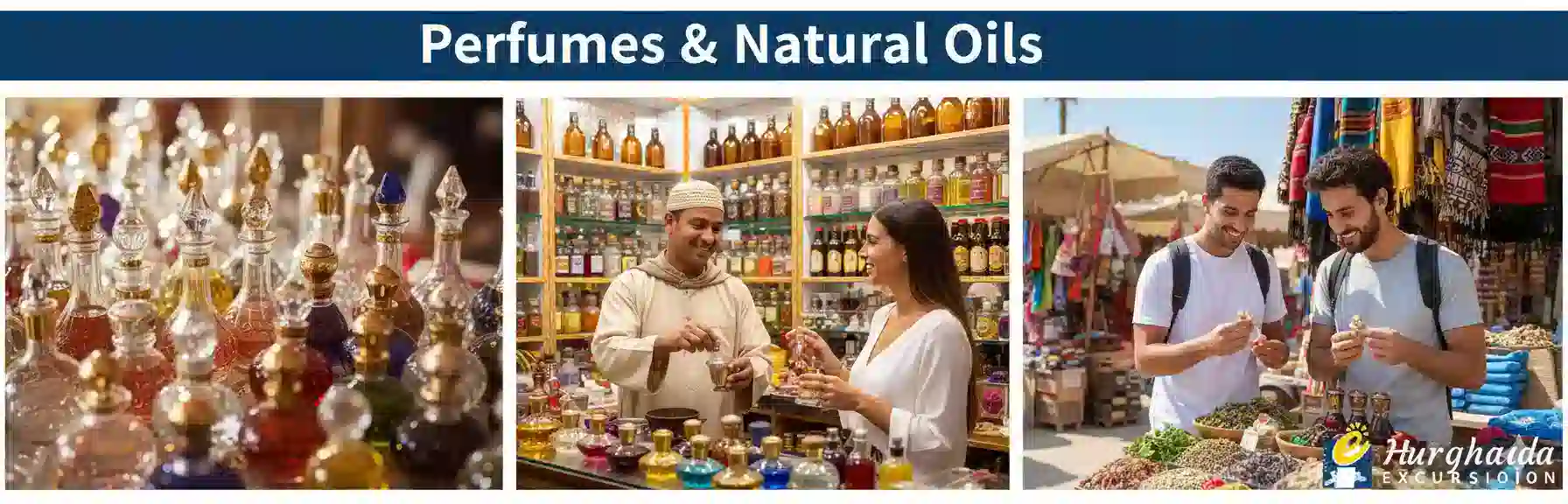
9. Shopping, Bargaining & Souvenirs
Shopping Is a Conversation, Not a Battle
Egyptian markets are social spaces.
What’s Worth Buying
- Papyrus art (replicas)
- Cotton clothing
- Spices & oils
- Silver jewelry
- Handcrafted lanterns
Bargaining Rules
- Smile
- Be patient
- Walk away politely
Never bargain aggressively—it backfires.

10. Real-World Travel Wisdom: Do’s, Don’ts & Insider Truths
The Difference Between Knowing Egypt and Enjoying It
Do
- Travel in pairs or groups
- Use confident body language
- Say “no” clearly
- Hire licensed guides
- Respect monuments
Don’t
- Accept unsolicited help
- Engage street sellers verbally
- Drink tap water
- Touch ancient reliefs
- Assume Western logic applies
One Final Truth
Preparation doesn’t limit adventure.
It creates freedom.
Egypt gives back exactly what you bring to it.
Egypt Travel –
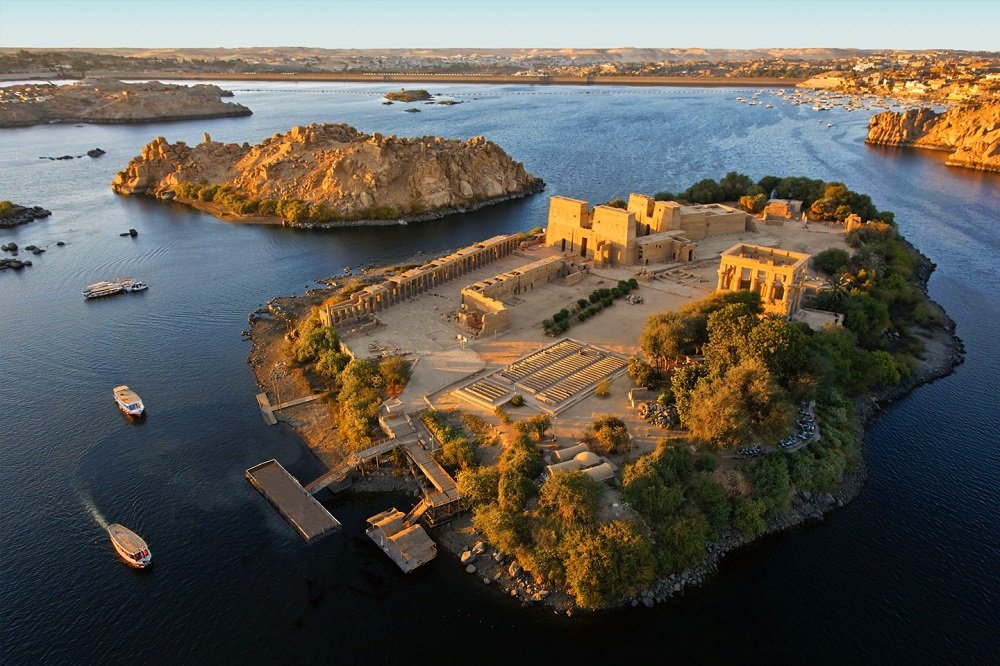
Final Reflection: Why Egypt Changes Travelers
Egypt is not passive.
It challenges you—then rewards you.
Those who arrive prepared leave transformed.
And that’s why Egypt is never just a destination.
It’s a personal journey through time, culture, and self-awareness.
Do I need a passport to travel to Egypt in 2026?
Yes, a passport is mandatory for all travelers entering Egypt in 2026. National ID cards are not accepted.
How long must my passport be valid to enter Egypt?
Your passport must be valid for at least 6 months beyond your planned return date from Egypt.
Can I travel to Egypt with a temporary passport?
Yes, Egypt accepts temporary passports as long as they meet the 6-month validity requirement.
Do children need their own passports to travel to Egypt?
Yes, every child, regardless of age, must have an individual passport.
Is a visa required to visit Egypt?
Yes, most travelers need a tourist visa to enter Egypt.
How much does a tourist visa to Egypt cost?
A single-entry tourist visa costs 25 USD, while a multiple-entry visa costs 60 USD.
Can I get a visa on arrival in Egypt?
Yes, travelers can purchase a visa on arrival at Egyptian airports.
Is the Egypt e-Visa a good option?
Yes, the e-Visa is convenient if applied for online at least 7 days before travel.
What is the Sinai-only visa?
It is a free entry stamp allowing a 14-day stay in Sharm El Sheikh and South Sinai only.
Can I travel outside Sinai with a Sinai-only visa?
No, traveling outside South Sinai requires a full Egyptian tourist visa.
Is Egypt safe for tourists in 2026?
Yes, Egypt is considered safe for tourists, especially in resort areas and major cities.
Is Hurghada safe for tourists?
Yes, Hurghada is one of the safest and most popular tourist destinations in Egypt.
Is Sharm El Sheikh safe to visit?
Yes, Sharm El Sheikh is very safe and well-secured for tourists.
Is Cairo safe for travelers?
Yes, Cairo is generally safe, but travelers should stay alert in crowded areas.
What should I know before traveling to Egypt?
Understand visa rules, cultural norms, health precautions, and transportation options.
What should I pack for a trip to Egypt?
Pack lightweight clothing, sunscreen, comfortable shoes, a hat, and basic medicines.
What clothes are appropriate to wear in Egypt?
Modest clothing is recommended, especially when visiting mosques or rural areas.
Can women travel alone to Egypt?
Yes, women can travel alone safely, especially when following local customs.
Should I buy travel insurance for Egypt?
Yes, travel insurance is highly recommended due to medical costs.
Can I drink tap water in Egypt?
No, always drink bottled water to avoid stomach issues.
Is food safe to eat in Egypt?
Yes, but avoid raw food and street food to reduce health risks.
What currency is used in Egypt?
The official currency is the Egyptian Pound (EGP).
Can I use US dollars or euros in Egypt?
Yes, but Egyptian pounds are better for small purchases and tips.
Are credit cards accepted in Egypt?
Credit cards are accepted in hotels and large shops, but cash is essential.
How much money should I budget per day in Egypt?
Budget travelers: $40–60, mid-range: $75–150, luxury: $200+ per day.
Is tipping expected in Egypt?
Yes, tipping (baksheesh) is customary and expected for most services.
How much should I tip in Egypt?
Small tips of 1–2 USD are common; guides and drivers expect more.
What is the best way to get around Egypt?
Domestic flights, Nile cruises, trains (first class), and ride-hailing apps.
Is Uber available in Egypt?
Yes, Uber and Careem operate in major cities like Cairo and Alexandria.
Should I rent a car in Egypt?
No, driving in Egypt is not recommended for tourists.
What are the best places to visit in Egypt?
Cairo, Luxor, Aswan, Alexandria, Hurghada, Sharm El Sheikh, and Marsa Alam.
How many days do I need to visit Egypt?
A well-rounded trip usually takes 7–12 days.
What is the best time to visit Egypt?
October to April offers the most comfortable weather.
Is Egypt too hot in summer?
Yes, summer temperatures can be extreme, especially in Upper Egypt.
Can I take photos everywhere in Egypt?
No, photography is restricted in some areas and requires permission.
Are drones allowed in Egypt?
No, drones are strictly prohibited without official permits.
What language is spoken in Egypt?
Arabic is the official language, but English is widely understood in tourist areas.
Should I learn Arabic before traveling?
Learning basic phrases helps but is not required.
Are archaeological sites protected?
Yes, touching or damaging monuments is strictly forbidden.
Can I visit mosques as a tourist?
Yes, but dress modestly and avoid prayer times.
Is Egypt family-friendly?
Yes, Egypt is suitable for families with proper planning.
What should I avoid doing in Egypt?
Avoid public affection, political discussions, and accepting unsolicited help.
Can I use my phone and internet in Egypt?
Yes, buying a local SIM card is affordable and recommended.
Is shopping safe in Egypt?
Yes, but bargaining is expected and part of the culture.
What souvenirs should I buy in Egypt?
Papyrus art, cotton products, spices, jewelry, and handmade crafts.
How can I avoid scams in Egypt?
Use licensed guides, ignore aggressive sellers, and stay confident.
Is Egypt suitable for first-time travelers?
Yes, with preparation and awareness, Egypt is ideal even for first-time visitors.
Will good preparation really improve my Egypt trip?
Absolutely. Preparation turns Egypt from overwhelming into unforgettable.






















Comment (0)