
Ancient Egypt cannot be told without describing the Nile River and its significance to the civilization. Stretching over 4,100 miles, this winding river provided fertile agriculture, shaped religion, and enabled transportation across the desert. Egypt’s entire civilization relied on the Nile for survival, prosperity, and growth. Studying why the Nile River is important to Ancient Egypt highlights how geography and natural resources directly influenced societal development and allowed humans to thrive in one of the harshest environments on Earth.

Geography of the Nile and Its Role in Ancient Egypt
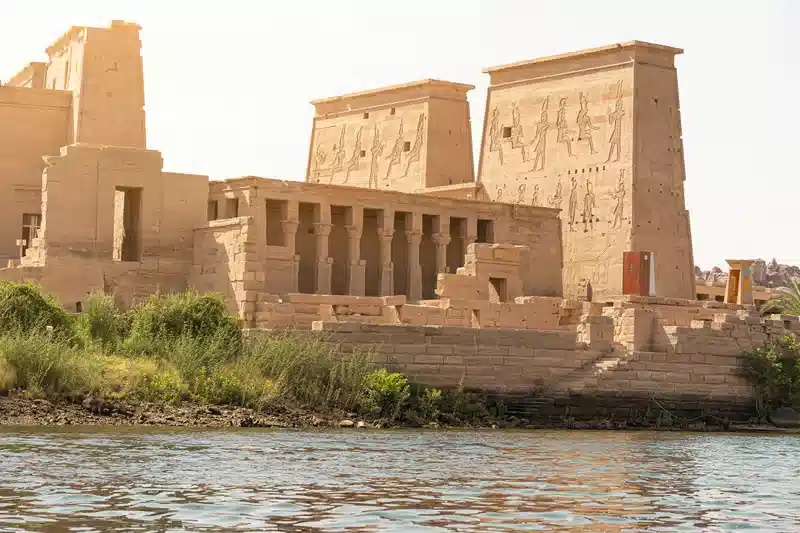
Understanding why the Nile River is important to Ancient Egypt starts with its geography. The river branches through deserts, creating fertile valleys that supported the emergence of a complex civilization. These valleys formed the regions of Upper and Lower Egypt. Upper Egypt consisted of narrow river valleys in the south, while Lower Egypt included the expansive Nile Delta in the north.
This unique north-flowing geography offered natural protection. Unlike Mesopotamia, which was prone to invasions across open plains, Egypt was shielded by deserts and cataracts—rocky rapids in the river that served as natural barriers. This geographic advantage allowed Ancient Egyptian society to sustain itself for thousands of years, enabling the construction of cities, monuments, and agricultural systems.
The Nile was more than just a river—it dictated the rhythm of life. Its predictable floods rejuvenated the land each year, marking a natural calendar for planting and harvesting. This cycle of life and rebirth illustrates why the Nile was central to Egyptian society.
Why the Nile River is Important to Ancient Egypt: Fertile Soil and Agriculture
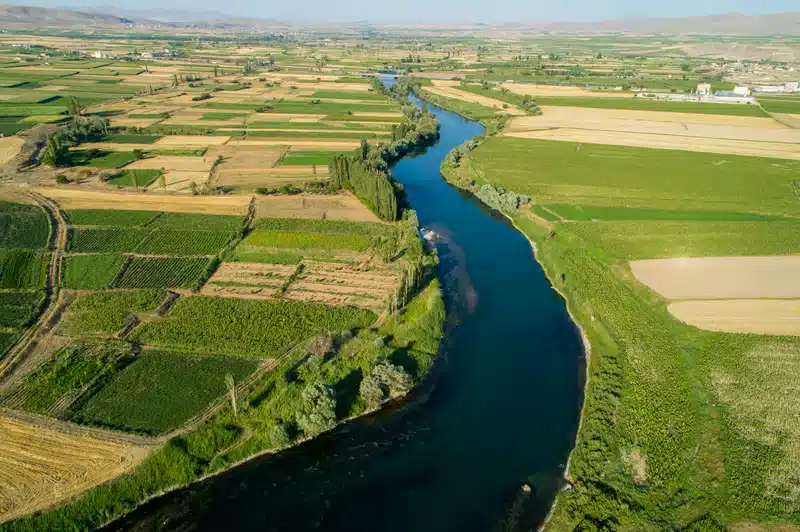
Agriculture was the backbone of Ancient Egypt, and the Nile made it possible. Annual floods deposited nutrient-rich silt onto the land, transforming the surrounding desert into the fertile “black land” known as Kemet. This enabled Egyptians to grow wheat, barley, flax, and other crops that fed the population and supported the state economy.
The Nile’s fertility allowed Egyptians to develop advanced irrigation systems. They built basins, canals, and dikes to control floodwaters and maximize crop yields. Nilometers—stone instruments measuring water levels—helped predict harvests, allowing the government to plan for abundance or scarcity.
Without the Nile, Egypt would have remained an arid desert incapable of sustaining a complex civilization. This is a key reason why the Nile River is important to Ancient Egypt, as it was essential for food security, population growth, and urban development.
Nile River Trade and Transportation in Ancient Egypt
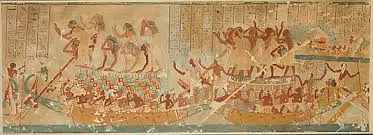
Another reason why the Nile River is important to Ancient Egypt was its role in trade and transportation. Flowing through the heart of the desert, the Nile acted as a natural highway connecting distant settlements. Egyptians became expert boat builders, crafting vessels from papyrus reeds to large wooden ships with sails and oars.
The river enabled trade both within Egypt and with neighboring regions. Gold from Nubia, cedar from Lebanon, and other essential materials were transported via the Nile. Crucially, the river facilitated monumental construction projects: stones for the pyramids, temples, and obelisks were moved along the Nile, making engineering feats possible that would have been impossible by land alone.
Thus, the Nile was not just a waterway; it was the lifeline of Egypt’s economy and infrastructure, reinforcing why the Nile River is important to Ancient Egypt.
Cultural and Religious Significance of the Nile
The Nile also shaped Egyptian culture and religion. Egyptians personified the river in the god Hapy, the deity of the annual flood, symbolizing fertility and abundance. Hapy’s androgynous depiction, with a rounded belly and pendulous breasts, represented the life-giving properties of the river. Blue symbolized water, while green represented the vegetation nourished by its floods.
Festivals like the Opet Festival celebrated the Pharaoh’s divine connection to the Nile. Priests would carry the Pharaoh down the river in a ceremonial barge, emphasizing that the Nile was both a spiritual and political center of life.
The river influenced beliefs about life, death, and rebirth. Egyptians associated Kemet (fertile land) and Deshret (desert) with abundance and danger, understanding that the Nile had the power to bring both life and destruction. This duality shaped burial practices, mummification, and the emphasis on the afterlife.
Technological Innovations Driven by the Nile

Ancient Egyptians developed remarkable technology to harness the Nile. Nilometers allowed precise measurement of river levels, ensuring proper planning for agricultural cycles. Canals and basins controlled seasonal floods, while storage systems such as silos and granaries preserved surplus crops.
The Nile also enabled monumental construction. Heavy stones for pyramids and temples were transported via the river, facilitating projects like the Great Pyramid of Giza, which contains over 2 million stone blocks. Without the Nile, logistical challenges would have made these architectural achievements impossible.
This technological ingenuity further underscores why the Nile River is important to Ancient Egypt—it was central to societal progress and engineering excellence.
Daily Life and the Nile
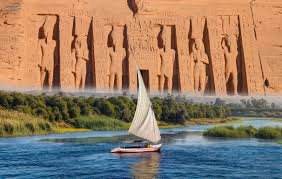
Daily life in Ancient Egypt revolved around the Nile. It provided water for drinking, cooking, bathing, and irrigation. Fishing supplied essential protein, while papyrus harvested from riverbanks was used to make boats, mats, and writing materials. Settlements were concentrated along the river, demonstrating its centrality to human survival and social life.
Recreation and commerce also depended on the Nile. Festivals, boating, and river trade created a vibrant cultural and economic network. In essence, the Nile was the artery of Egyptian civilization, influencing nearly every aspect of life.
The Lasting Legacy of the Nile in Egyptian Civilization
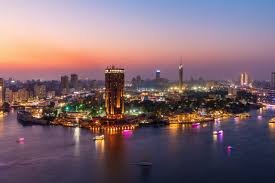
The Nile’s impact on Ancient Egypt remains profound. Modern engineering projects, like the Aswan High Dam, highlight the continued reliance on the river, although natural flooding cycles have changed. Archaeological discoveries reveal complex irrigation systems, ports, and settlements, reflecting how deeply the Nile shaped human activity.
The river enabled Egyptians to achieve extraordinary accomplishments—from hieroglyphic writing and complex religion to monumental architecture and art. Understanding why the Nile River is important to Ancient Egypt is essential to appreciating the civilization’s longevity, ingenuity, and connection to the natural world.
Häufig Gestellte Fragen (FAQ)
How long is the Nile River and where does it flow?
The Nile stretches over 4,100 miles, flowing from East-Central Africa to the Mediterranean Sea.
What caused the annual Nile floods?
Monsoon rains in the Ethiopian Highlands caused the Blue Nile to swell, resulting in seasonal flooding.
What crops did ancient Egyptians grow along the Nile?
Wheat, barley, flax, vegetables, and legumes thrived in the fertile soil of Kemet.
How did the Nile influence Egyptian religion?
The Nile was central to religious beliefs, with deities like Hapy symbolizing fertility, abundance, and life cycles.
Why was the Nile called Egypt’s highway?
It served as the main route for transporting goods, people, and building materials.
How did boats contribute to trade in Ancient Egypt?
Boats transported grain, timber, gold, and other trade goods efficiently across long distances.
How did the Nile help build the pyramids?
Heavy stones were floated on the river via boats and canals to construction sites.
What are Kemet and Deshret?
Kemet is the fertile black land; Deshret is the surrounding desert, symbolizing life and danger.
How did Egyptians record Nile floods?
Nilometers measured water levels, helping predict agricultural success or famine.
How did the Nile affect daily life?
It supplied water for drinking, irrigation, fishing, transportation, and cultural activities.
 English
  German
  French
  Polish
  Russian
  Czech
Czech  Spanish
  Romanian
  Turkish
  Italian
  Hungarian
0 Comment