
1– Hurghada Beyond the Postcard
When people imagine Hurghada, images of sun‑soaked beaches and crystal‑clear Red Sea waters often come to mind. Yet behind this postcard picture lies a story of transformation — from a humble fishing settlement to a global travel destination beloved for its vibrant marine ecosystem, diverse activities, and welcoming culture. This article explores that journey in depth and invites you to see Hurghada in a new light.
2. Origins – A Quiet Village by the Red Sea
Hundreds of years ago, long before tourists ever arrived, Hurghada was nothing more than a cluster of simple homes where families lived by the rhythm of the sea. The economy revolved around fishing, and mornings began with men casting nets into calm waters, while evenings ended with modest gatherings under starry skies. There were no hotels, no bustling streets, and no hint of the tourism boom that would later define the area.
3. Strategic Early Years – From Fishing to Military Presence
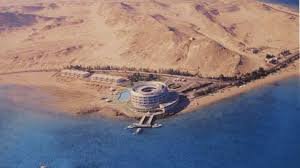
The early 20th century brought the first shift in Hurghada’s destiny. In 1905, the Egyptian government established a naval base in the area, recognizing the strategic value of its deep‑water access and location along the Red Sea. This investment, though small at first, laid the groundwork for future infrastructure growth. Roads were built and communication links were strengthened, sowing seeds for deeper connections with the wider Egyptian mainland.
4. First Glimpses of Tourism — Accidental Discoveries
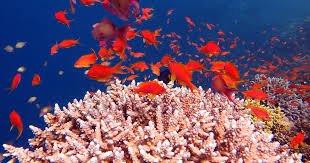
The story of tourism in Hurghada did not begin with a grand plan — it began with luck. Travelers passing through Egypt sometimes stopped to rest by the water. One such visitor reportedly walked into the sea one morning and was astonished by what he saw beneath the surface: vibrant coral reefs teeming with life. His amazement sparked curiosity in others, and soon word spread that this quiet seaside settlement harbored a breathtaking underwater world unlike anywhere else.
5. Slow Transformation — Roads, Shops & the First Hotels
In the earliest days of tourism, Hurghada’s physical infrastructure was modest. A single main road connected scattered buildings, a handful of shops sold basic necessities, and a couple of small eateries catered to locals and the occasional visitor. Yet even with such simplicity, the natural beauty surrounding the settlement continued to attract explorers, divers, and adventurers.
Local residents began to see opportunity in the curiosity of outsiders. Small‑scale excursions emerged — day trips by boat, guided desert wanderings, and fishing experiences for visitors seeking authentic encounters with this coastal way of life. Along with these activities came the first simple shelters — modest guesthouses and small inns that offered rest and views of the sea.
6. Hurghada’s Tourism Boom — Investment and Expansion
The turning point for Hurghada’s tourism came in the 1990s and early 2000s when investors began to recognize its promise. Developers built larger hotels, resorts with swimming pools, and modern beachfront properties. Cafés, shops, and entertainment venues began to line the shoreline and city center.
Hurghada’s status shifted rapidly — from a quiet coastal settlement to an international vacation destination. Recreational dive schools opened, safari companies organized desert tours, and travel agencies marketed Hurghada to Europe, Asia, and beyond. What had once been a whisper among diving enthusiasts became a global travel phenomenon.
7. The International Airport — Opening Doors to the World
One of the most impactful developments for Hurghada came with the expansion of its international airport. Daily flights now connect Hurghada with major European cities and destinations worldwide, making it easier than ever for tourists to arrive directly and begin their Red Sea adventure within hours.
This accessibility transformed the city into a year‑round destination. Hurghada’s climate — characterized by long, sunny days and warm seas — proved irresistible to vacationers seeking winter warmth or summer excitement.
8. Modern‑Day Hurghada — A Multi‑Faceted Destination
Today’s Hurghada is far more than a beach destination. It offers something for every traveler.
Underwater Wonders for Divers
Hurghada has earned a reputation as one of the world’s top diving destinations. Coral gardens, sunken shipwrecks, underwater caves, and a dazzling array of sea life make every dive an unforgettable experience. Schools of colorful fish, graceful rays, and sculptural coral formations create a living tapestry beneath the surface.
Family‑Friendly Experiences
For families, Hurghada delivers on relaxation and adventure alike. Safe beaches, water parks, gentle snorkeling spots, and evening entertainment — including live shows and cultural performances — keep children engaged while adults unwind.
Adventures and Thrills
Thrill‑seekers find no shortage of excitement here. Quad‑bike desert safaris, parasailing above the bay, windsurfing along blustery coasts, and kite surfing offer high‑energy activities that contrast beautifully with the serene sea.
Cultural and Historical Excursions
Beyond the city, visitors can explore Egypt’s deep history. Day trips to Luxor, home to ancient temples and the Valley of the Kings, and excursions to Cairo for iconic pyramids provide a welcome blend of culture and context to any stay in Hurghada.
9. Geography and Urban Layout — Neighborhoods & Landscape
Hurghada stretches approximately 36 kilometers along the Red Sea shoreline. The city blends multiple distinct neighborhoods:
- El‑Kawsar, El‑Ahia & El‑Helal — modern residential and commercial hubs
- Sigala — central district with resorts, mid‑range hotels, and dining
- El Dahar — the older downtown area, known for bazaars and traditional charm
- El Memsha — popular pedestrian promenade with shops and cafés
The city’s western edge meets the desert, offering dramatic views of sand dunes, while the eastern horizon opens to sea breezes and shifting tides.
10. Hurghada’s Climate — Tropical Desert Influence
Hurghada enjoys a hot desert climate, with very mild winters and intense summers. Daytime temperatures can reach 40°C (104°F) during peak summer months and hover around a pleasant 30°C (86°F) for most of the year. Nights cool into refreshing breezes, making evenings comfortable for strolls along the corniche.
11. Water Sports and Outdoor Activities
Hurghada’s coastal position makes it a playground for aquatic sports:
- Schnorcheln among coral reefs
- Scuba diving with certified guides
- Windsurfing & kite surfing on open seas
- Boat excursions to remote reefs
Adventure seekers can also enjoy horseback riding on the beach, fishing charters, and coastal hiking.
12. Red Sea Marine Life and Natural Attractions
The Red Sea’s warm waters host some of the richest marine biodiversity on the planet. Coral gardens teem with:
- Papageienfische
- Angelfish
- Moray eels
- Sea turtles
- Reef sharks
These ecosystems not only captivate divers but also support sustainable tourism growth.
13. Islands and Private Beaches Around Hurghada
Hurghada’s coastline is dotted with unique islands and secluded beaches:
- Giftun Inseln — a protected marine reserve with pristine water and snorkeling spots
- Umm Qamar Island — known for coral towers and dramatic underwater scenery
- Turtle Bay & Oberoi House Reef — ideal for spotting sea turtles and colorful coral formations
These locations offer day trips that feel like remote paradise escapes.
FAQ: Hurghada Travel Guide – 20 Questions & Answers
- What is Hurghada known for?
Hurghada is famous for its crystal-clear Red Sea waters, coral reefs, luxury resorts, water sports, desert safaris, and family-friendly beaches. - When is the best time to visit Hurghada?
The best time is from October to April when temperatures are mild, ranging from 24°C to 30°C (75°F–86°F). - How far is Hurghada from Cairo?
Hurghada is approximately 500 km (310 miles) southeast of Cairo, accessible by flight, bus, or private car. - Does Hurghada have an international airport?
Yes, Hurghada International Airport offers direct flights from Europe, the Middle East, and other parts of the world. - What activities are popular in Hurghada?
Diving, snorkeling, kite surfing, windsurfing, quad biking, desert safaris, and exploring historical sites like Luxor and El Quseir. - Is Hurghada suitable for families?
Absolutely! Hurghada offers family-friendly resorts, water parks, safe beaches, and organized excursions suitable for children. - Where are the best diving spots in Hurghada?
Giftun Islands, Sharm El Naga, Umm Qamar Island, and the Coral Reef Caves are among the top diving and snorkeling locations. - What are Hurghada’s luxury resorts?
El Gouna, Soma Bay, Makadi Bay, Sahl Hasheesh, and Cleopatra Luxury Resort are top-rated for amenities, private beaches, and upscale services. - Can you visit historical sites from Hurghada?
Yes, day trips to Luxor, the Valley of the Kings, and ancient temples can be organized from Hurghada. - What is the weather like in Hurghada?
Hurghada has a hot desert climate: summers up to 40°C (104°F), mild winters around 17°C (62°F), and mostly sunny skies year-round. - Are there cultural attractions in Hurghada?
Yes, including St. Anthony and St. Paul Monasteries, local bazaars in El Dahar, and the Sand City Museum. - Is Hurghada safe for tourists?
Yes, Hurghada is considered safe for tourists. Standard precautions should be taken, as in any tourist destination. - What kind of nightlife does Hurghada offer?
Hurghada has bars, nightclubs, and beach clubs, mainly in Sigala and El Gouna, offering music, dance, and entertainment. - Can I go on desert adventures from Hurghada?
Yes, quad biking, jeep safaris, camel rides, and overnight camping in Bedouin villages are popular desert activities. - Are there eco-friendly activities in Hurghada?
Yes, eco-tours, snorkeling trips to marine reserves, and protected island excursions like Giftun Islands are available. - Do Hurghada resorts offer all-inclusive packages?
Most resorts offer all-inclusive deals, including meals, drinks, activities, and excursions. - Is public transportation available in Hurghada?
Yes, taxis, buses, and private transfers are widely available, though many tourists prefer resort shuttles or rental cars. - What marine life can I see in Hurghada?
Diverse coral reefs, tropical fish, moray eels, sea turtles, dolphins, and sometimes hammerhead sharks. - Are there islands near Hurghada worth visiting?
Yes, islands like Giftun, Dolphin Reef, Turtle Bay, and Oberoi House Reef are ideal for snorkeling, diving, and relaxation. - How do I book excursions in Hurghada?
Excursions can be booked through hotels, travel agencies like Fun Stay Travel, online platforms, or local tour operators directly.
 English
  German
  French
  Polish
  Russian
  Czech
Czech  Spanish
  Romanian
  Turkish
  Italian
  Hungarian
0 Comment