

Egypt is a land where history, culture, and faith converge to create a unique tapestry of celebrations. Its holiday calendar reflects centuries of religious devotion, national pride, and ancient traditions preserved through generations. From the vibrant streets of Cairo to the peaceful Nile villages, every dovolenou carries deep meaning, offering a window into Egypt’s identity. This guide explores Egypt’s most important holidays, their history, cultural significance, and how they are celebrated today.

The Historical Roots of Egyptian Holidays
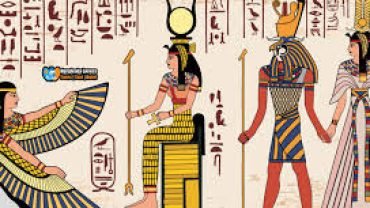
Egyptian holidays are rooted in a rich and layered history, stretching back thousands of years to the time of the pharaohs. Ancient Egyptians celebrated the Nile’s life-giving floods, agricultural milestones, and religious rituals dedicated to their pantheon of gods. These early festivals combined spiritual devotion with communal gathering, music, dance, and elaborate food preparations—elements that still echo in modern celebrations.
With the arrival of Greek, Roman, and Byzantine influence, these festivals evolved. While new cultural and religious customs were introduced, the core themes of renewal, gratitude, and communal bonding remained intact. The Islamic conquest in the 7th century brought new religious holidays such as Eid al-Fitr and Eid al-Adha, which were adapted into Egyptian culture with distinctive local practices. Similarly, Christianity established early traditions that led to the Coptic holidays, maintaining rituals that have been celebrated continuously for centuries.
Modern national holidays, meanwhile, commemorate Egypt’s political milestones, including independence, revolutions, and military victories. These holidays foster a sense of national unity while linking citizens to their country’s historical journey.

Eid al-Fitr: Egypt’s Most Celebrated Holiday
If one asks, “What is the most important holiday in Egypt?” the answer is unequivocally Eid al-Fitr. This festival marks the end of Ramadan, the Islamic holy month of fasting, prayer, and spiritual reflection. Eid al-Fitr is not only a religious occasion but also a social and cultural celebration that brings together families, communities, and entire neighborhoods in joyous festivity.
What is an Important Holiday in Egypt:

Preparations for Eid
In the days leading up to Eid, Egyptian families engage in extensive preparations. Homes are cleaned and decorated, traditional sweets are baked, and special meals are planned. New clothes are purchased for children and adults alike, symbolizing renewal and celebration. Markets, shops, and streets are adorned with lights and ornaments, creating a festive atmosphere throughout cities and villages.
Eid Prayers and Community Unity
The heart of Eid al-Fitr is the special prayers, performed at mosques and open spaces at dawn. Millions of Egyptians participate, creating a powerful visual and spiritual spectacle. Following prayers, people greet one another with warm embraces, exchange blessings, and visit friends and relatives.
Gift-Giving and Charity
Gift-giving is central to Eid, especially for children who receive Eidiya—money gifts from relatives. Families also prepare and share sweets, dates, and special dishes. Another critical aspect is Zakat al-Fitr, the obligatory charity that ensures all members of the community, including the less fortunate, can partake in the celebrations. This emphasis on generosity highlights the communal and compassionate values embedded in Egyptian society.
Street Festivities
Cities and towns across Egypt come alive during Eid. From Cairo’s historic districts to Alexandria’s coastal neighborhoods, the streets are filled with music, dancing, and vibrant decorations. Local festivals and fairs offer entertainment for all ages, creating an atmosphere of shared happiness and unity.
Ramadan: The Sacred Month
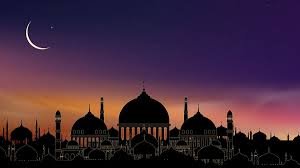
The spiritual significance of Eid al-Fitr cannot be separated from Ramadan, the month of fasting that precedes it. Ramadan is a period of devotion, self-discipline, and reflection. Egyptians fast from dawn to sunset, breaking the fast each evening with Iftar—a communal meal often shared with family, friends, and neighbors.
Daily Rituals
Suhoor, the pre-dawn meal, begins the day, while Iftar marks its end. These meals, rich in traditional foods, strengthen family ties and community solidarity. Ramadan nights in Egypt are particularly magical; streets, markets, and cafes are bustling long after sunset, creating a unique festive environment.
Ramadan Decorations and Lanterns
The iconic fanous, or lanterns, illuminate homes and streets throughout the month. Originating from medieval Egypt, these lanterns symbolize spiritual light and guidance. Modern fanous designs range from simple traditional forms to elaborate, contemporary creations, reflecting Egypt’s blend of history and innovation.
Charity and Community Spirit
Charity takes on heightened importance during Ramadan. Egyptians donate generously to mosques and community kitchens, ensuring that even the poorest can join in communal Iftar meals. Social cohesion, care for the vulnerable, and shared spiritual practice are hallmarks of this sacred month.
Other Major Islamic Holidays
Eid al-Adha
Approximately two months after Eid al-Fitr, Egyptians celebrate Eid al-Adha, or the Festival of Sacrifice. This holiday commemorates the devotion of Prophet Ibrahim (Abraham) and his willingness to sacrifice his son in obedience to God. Families who can afford it perform animal sacrifices, dividing the meat among family, friends, and the poor—a practice emphasizing faith, generosity, and social solidarity.
Mawlid al-Nabi
Na birth of Prophet Muhammad is celebrated as Mawlid al-Nabi. Egyptians decorate streets, prepare special sweets called Halawet el-Moulid, and hold religious gatherings to honor the Prophet’s teachings.
Islamic New Year (Muharram)
The Islamic New Year marks the beginning of the lunar calendar. Though less festive than Eid, it provides a moment for reflection, prayer, and spiritual renewal.

Coptic Christian Celebrations
Egypt’s Koptské Křesťanské společenství has preserved ancient Christian traditions, offering some of the oldest continuous holiday celebrations in the world.
Coptic Christmas
Celebrated on January 7th, Coptic Christmas follows the Julian calendar. Families attend midnight mass, exchange greetings, and prepare traditional dishes like Fatta, breaking weeks of fasting with joyous family meals.
Coptic Easter
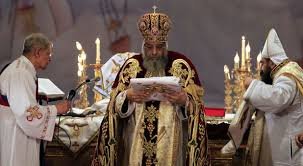
Coptic Easter, preceded by Great Lent, involves rituals, processions, and traditional observances virtually unchanged for centuries. Palm Sunday, Holy Week, and Easter Sunday demonstrate the deep roots of Christianity in Egypt.
These holidays reflect Egypt’s religious diversity and the nation’s respect for its Christian minority, as they are recognized officially as national holidays.
National Holidays
Egypt’s modern history is commemorated through national holidays that honor revolutions, military achievements, and labor contributions. Key national holidays include:
- Revolution Day (July 23) – Marks the 1952 overthrow of the monarchy.
- January 25 Revolution Day – Celebrates the 2011 uprising and the people’s quest for democratic reform.
- Armed Forces Day (October 6) – Honors military service and victory in the 1973 October War.
- Sinai Liberation Day (April 25) – Commemorates the return of the Sinai Peninsula.
- Labor Day (May 1) – Recognizes workers’ contributions to society.
National holidays strengthen Egyptian identity, combining parades, speeches, and cultural events that reinforce shared history and values.
What is an Important Holiday in Egypt:

Ancient Egyptian Festival Legacy
Egyptians continue to celebrate remnants of pharaonic festivals. Sham el-Nessim, for example, marks spring’s arrival with customs that trace back thousands of years. Families picnic outdoors, enjoy traditional foods such as colored eggs, salted fish, and green onions, and celebrate nature’s renewal.
Other ancient festivals, like Wafaa el-Nil, once celebrated the Nile’s flooding, highlighting the river’s vital role in agriculture and survival. Although modern dams control the flooding, these traditions preserve the historical and spiritual connection to the land.

Experiencing Egyptian Holidays as a Visitor
Visitors to Egypt during major holidays can witness unique cultural practices. Respect for local customs is essential, such as refraining from eating in public during Ramadan or dressing modestly for religious events.
Cities offer varied experiences: Cairo’s historic quarters, Alexandria’s Coptic districts, and rural villages each showcase different aspects of holiday celebrations. Cultural performances, religious ceremonies, and local fairs provide immersive experiences for tourists seeking authentic engagement with Egyptian traditions.
Planning ahead is crucial during holidays, as hotels fill quickly, transportation is busy, and some attractions may adjust their schedules.

Regional and Community Variations
Egypt’s diverse regions contribute unique traditions:
- Upper Egypt (Sa’id) – Emphasizes local foods, music, and family-centric customs.
- Alexandria and Coastal Cities – Blend Mediterranean and cosmopolitan influences into holiday observances.
- Desert and Bedouin Communities – Maintain older nomadic traditions integrated with Islamic holidays.
- Nubian Communities – Preserve language, music, and cultural customs during celebrations.
Each region adds layers to Egypt’s complex holiday mosaic, reflecting the nation’s cultural richness and historical depth.
Egypt’s Holiday Spirit
Holidays in Egypt are more than days off; they are the lifeblood of community, faith, and national pride. They teach younger generations religious values, historical awareness, and cultural practices. They also generate economic activity, from food and clothing purchases to tourism, while reinforcing social bonds.
Despite globalization and modernization, Egypt’s holidays retain their unique character, combining ancient traditions with contemporary practices. They are a living testament to Egypt’s enduring cultural heritage and the resilience of its people’s identity.
🟪 10. FAQ Section (What is an Important Holiday in Egypt: )
What is the biggest holiday in Egypt?
The biggest holiday is Eid al-Fitr, celebrated by millions after Ramadan.
What is a traditional Egyptian festival?
Sham El-Nessim is one of the oldest traditional festivals in Egypt.
Do Egyptians celebrate Christmas?
Yes, Egyptian Christians celebrate Coptic Christmas on January 7.
What makes Egyptian holidays unique?
They combine ancient traditions with religious and modern celebrations.
When is the best time to visit Egypt for festivals?
Spring and Ramadan seasons are the best times for cultural experiences.
Závěr
What is an Important Holiday in Egypt:
Egypt’s most important holiday, Eid al-Fitr, is a celebration of faith, family, and community. It exemplifies how holidays in Egypt connect the past to the present, blending ancient traditions with modern practices. From Islamic and Coptic celebrations to national commemorations and pharaonic legacies, Egypt’s festive calendar offers a profound insight into the country’s soul.
For residents and visitors alike, participating in these holidays is a journey through history, religion, and culture—a chance to experience the richness of Egyptian life and the joy of shared celebration.
























 English
  German
  French
  Polish
  Russian
  Czech
Czech  Spanish
  Romanian
  Turkish
  Italian
  Hungarian
Komentáře (0)