

- Luxor, located in Upper Egypt, is considered the world’s greatest open-air museum. It houses more than a third of all ancient monuments in Egypt. This article provides a comprehensive guide to help you explore all the key attractions and activities in Luxor, from the famous temples to unique experiences.
- Why Luxor is a Must-Visit: Discuss Luxor’s rich history, significance as a former capital of Ancient Egypt, and the allure of exploring its monuments, temples, and tombs.
60 € – Luxor jednodenní výlet z Hurghady s návštěvou Karnaku a Chrámu královny Hatšepsut | 2026
Luxor Day Trip from Hurghada Soma Bay by Bus — A One-Day Time Machine to Ancient Thebes
Day Tour to Luxor from El Gouna
2 Day Trip to Luxor from Hurghada Makadi Bay with Hot Air Balloon Ride
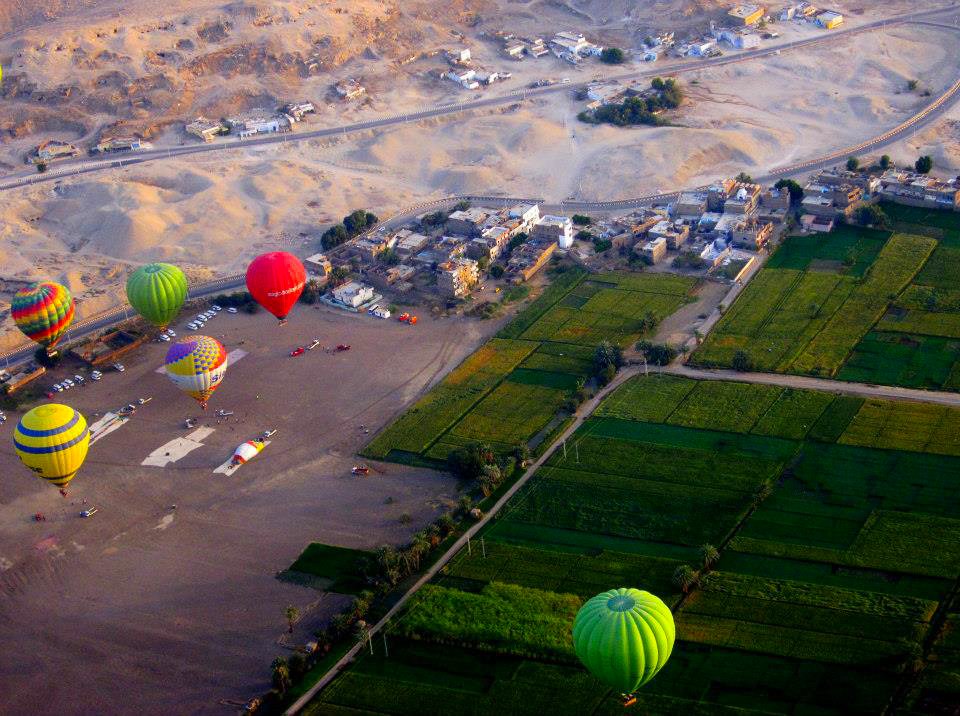
1. Top Attractions in Luxor
Chrámový Komplex Karnak
The Greatest Sacred City Ever Built

Karnak is not a single temple, but an immense sacred city constructed and expanded by successive pharaohs over more than two millennia.
Dedicated primarily to Amun-Ra, king of the gods, Karnak served as the religious heart of the Egyptian Empire.
Its most awe-inspiring feature is the Skvělé Hypostyle Hall, a forest of 134 colossal columns covering nearly 5,000 square meters. No other ancient civilization ever achieved such architectural scale or symbolic power.
Walking among these columns is not simply sightseeing — it is a confrontation with the ambition, belief, and engineering genius of Ancient Egypt at its height time itself
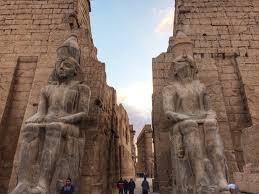
Luxor Temple
Royal Power, Renewal, and Divine Kingship
Located in the very heart of modern Luxor, Luxor Temple served a unique purpose in Ancient Egypt. Unlike most monuments in the city, it was not associated with death or burial, but with kingship, renewal, and the divine legitimacy of pharaonic rule.
The temple was connected to Karnak by the Alej Sfing, a ceremonial road stretching approximately 2.7 kilometers. This sacred avenue was used during the Bufet Opet Má Festival, a grand procession symbolizing the renewal of royal power and the life-giving annual flooding of the Nile.
Today, Luxor Temple stands as a rare example of an ancient sanctuary seamlessly integrated into a living city — best visited in the evening, when illuminated columns rise dramatically above the modern streets.
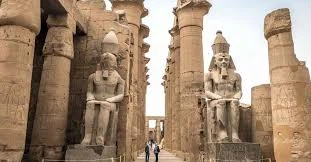
West Bank Luxor
The Land of the Dead and Eternal Transformation
As the sun set in the west, the ancient Egyptians believed it entered the underworld. For this reason, the West Bank became the sacred realm of death, transformation, and eternity.
Crossing the Nile to the West Bank feels like entering another world — silent, desert-bound, and timeless. This is where Egypt’s most powerful rulers prepared for their journey into the afterlife, leaving behind monuments designed to last forever.
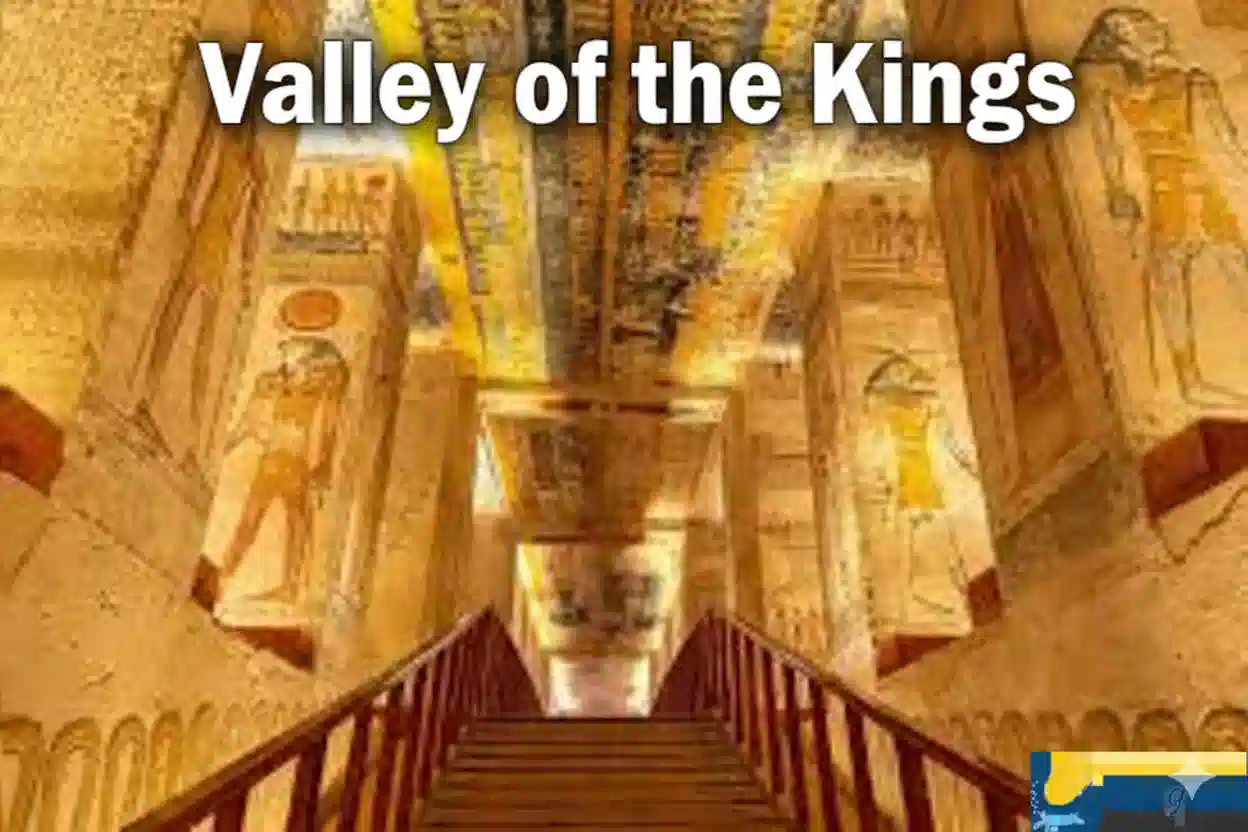
Údolí Králů
The Eternal Resting Place of Pharaohs
Hidden deep within the Theban Hills, the Údolí Králů contains 63 known royal tombs carved directly into the rock to protect them from ancient tomb robbers.
Among the most famous are:
- Tutankhamun (KV62) – discovered nearly intact, redefining modern Egyptology
- Seti I (KV17) – widely considered the most beautifully decorated tomb
- Ramesses VI (KV9) – renowned for its detailed astronomical ceilings
This valley represents the absolute peak of Egyptian funerary art and religious thought.
Údolí Královen
The Place of Beauty
Known in ancient times as Ta-Set-Neferu (“The Place of Beauty”), the Valley of the Queens was reserved for the wives and children of the pharaohs.
Its masterpiece is the tomb of Queen Nefertari (QV66), often compared to the Sistine Chapel of Ancient Egypt due to its vivid colors, flawless execution, and spiritual symbolism.
Medinet Habu
Mortuary Temple of Ramesses III
One of the best-preserved temples in all of Egypt, Medinet Habu functioned both as a mortuary temple and a fortified ceremonial center.
Its walls are covered with dramatic battle reliefs, including detailed scenes of victories over the Sea Peoples, making it an invaluable historical record of Egypt’s military and political power.
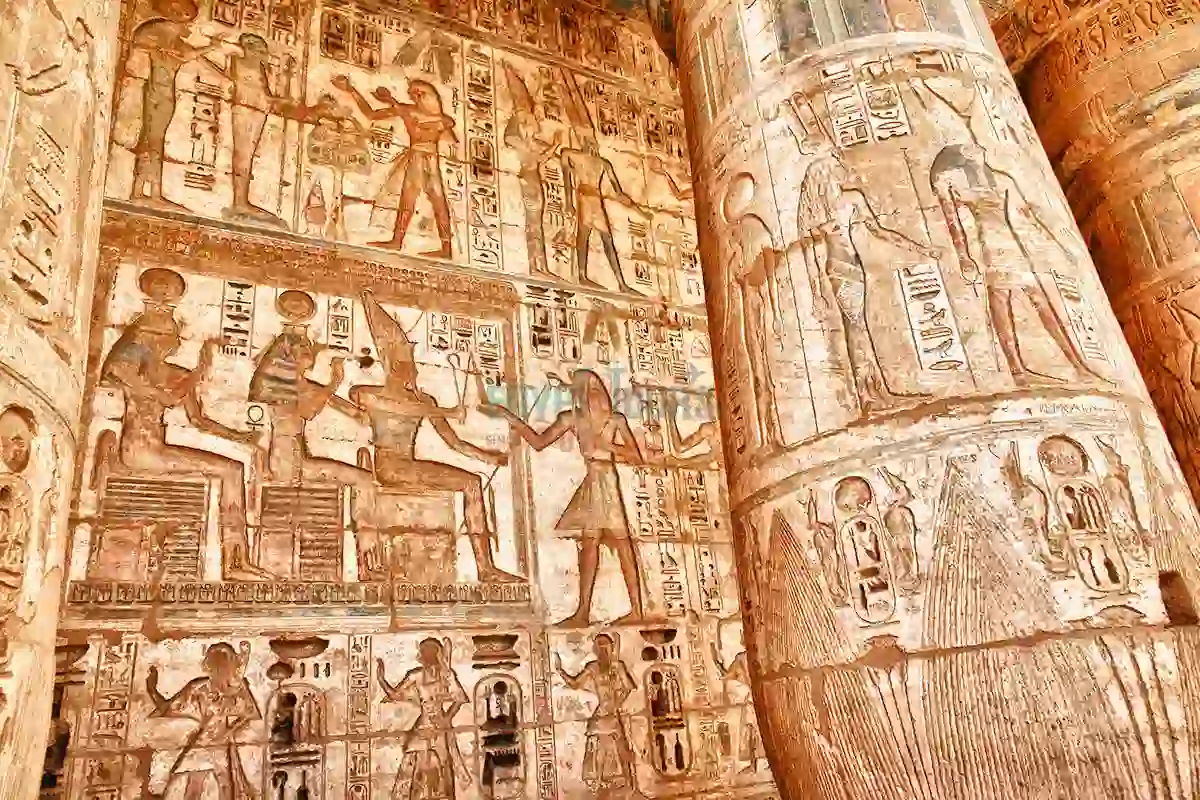
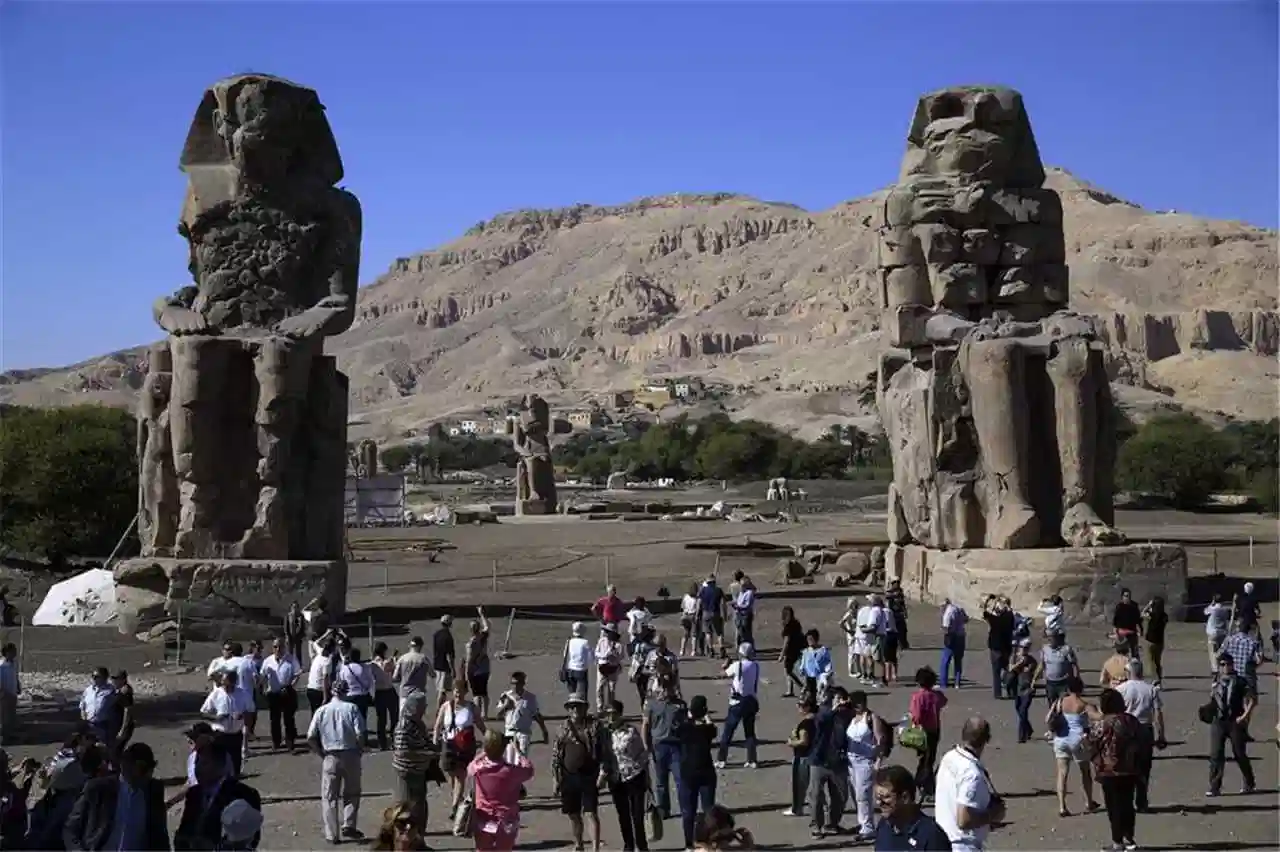
Memnonovy Kolosy
Guardians of a Lost Temple
These two colossal statues of Amenhotep III have stood for over 3,400 years, once marking the entrance to a vast mortuary temple.
Ancient travelers reported that the statues “sang” at dawn — a phenomenon caused by temperature changes in the cracked stone, giving rise to their legendary and almost mythical reputation.
Deir el-Medina
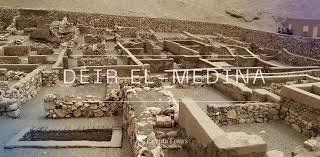
The Village of the Tomb Builders
Unlike royal monuments, Deir el-Medina offers insight into the daily lives of ordinary people. This was the home of the artisans who built the royal tombs for more than 400 years.
Houses, chapels, and private tombs reveal extraordinary details about family life, work, religion, and social structure in Ancient Egypt.
–Temple of Hatshepsut – A Mortuary Wonder

- History of the Temple: Explain the architecture and significance of Queen Hatshepsut’s mortuary temple.
- Architectural Highlights: Discuss the grand terraces, the temple’s location, and its alignment with the surrounding mountains.
- Co Vidět: Focus on the reliefs depicting the queen’s reign and her unique position in Ancient Egyptian history.
- Opening Hours & Tickets: Provide practical visiting details.
Luxor by the Numbers
A City Without Rival
- 63 royal tombs in the Valley of the Kings
- 134 colossal columns in Karnak’s Hypostyle Hall
- Over 3,000 years of continuous history
- Nearly one third of the world’s most important ancient monuments
No other place on Earth offers such a concentration of preserved civilization.
2. Unique Experiences in Luxor
2.1 Hot Air Ballooning at Sunrise
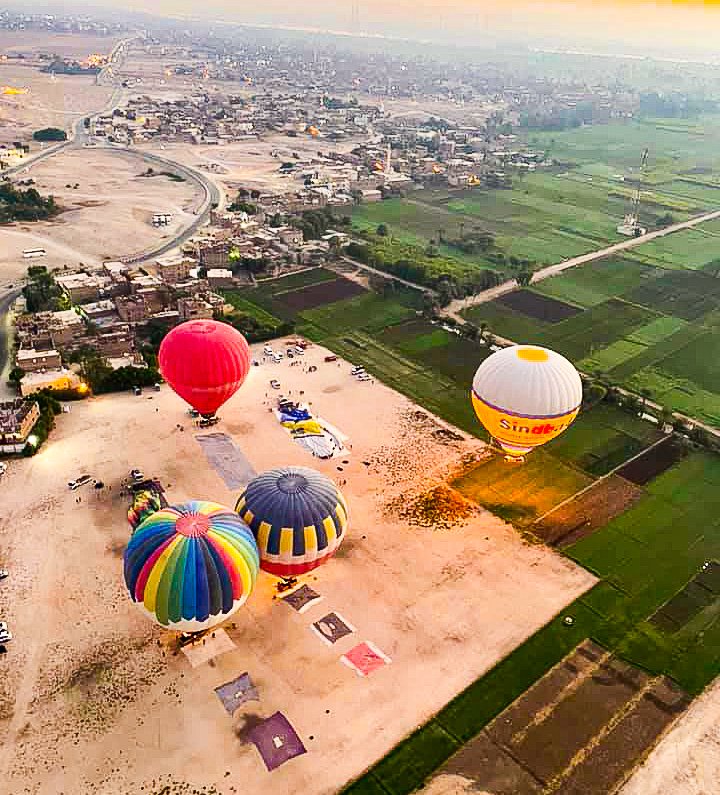
- A Must-Do Adventure: Discuss why a hot air balloon ride over Luxor is an unforgettable experience, offering stunning views of the Nile and the ancient ruins below.
- Booking & Safety Tips: How to book a hot air balloon experience and what to expect during your ride.
- Ideal Season: Best times of year for ballooning in Luxor.
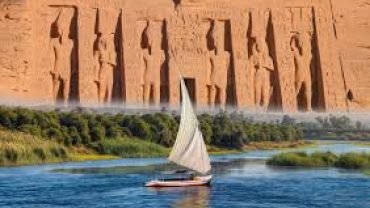
2.2 Felucca Ride on the Nile
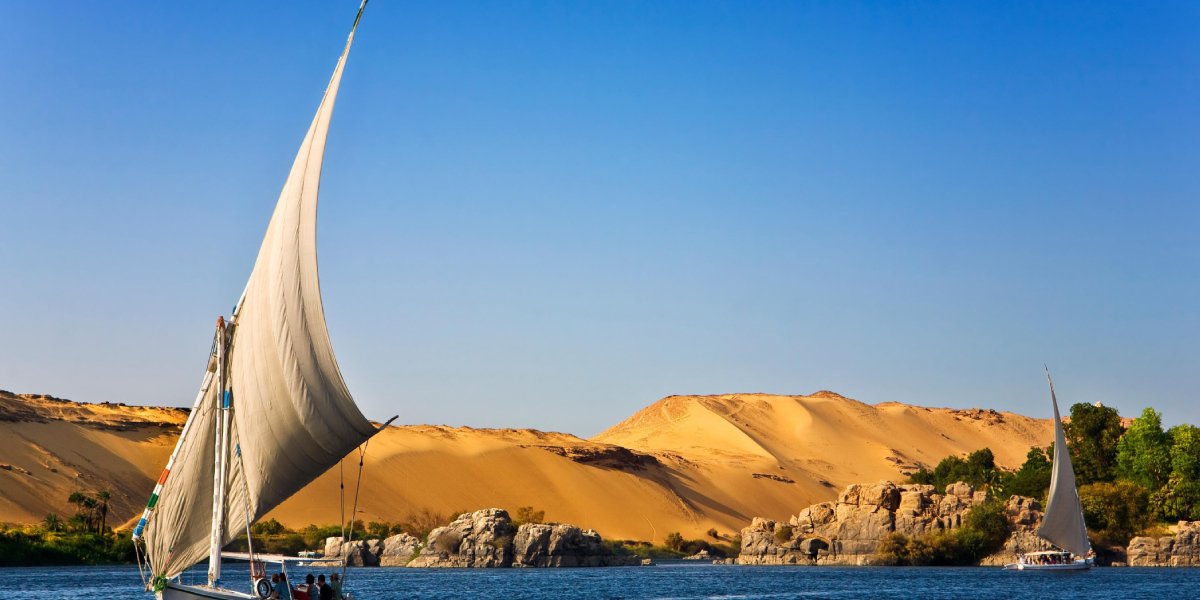
- What is a Felucca?: Introduce this traditional wooden boat and the importance of the Nile River in Egyptian culture.
- Experience and Views: Describe the serene ride, offering views of Luxor’s temples and the picturesque banks of the Nile.
- Booking a Ride: Practical information on booking a felucca ride.
3. Cultural and Historical Insights
3.1 The Ramesseum – Temple of Ramesses II
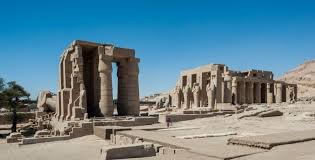
- Temple Highlights: A deep dive into the Ramesseum’s architectural features, particularly its depictions of Ramesses II’s military victories and the grandeur of the site.
- Visiting Details: Operating hours and ticket prices.
4. Practical Information for Luxor Travelers
4.1 Best Time to Visit Luxor
- Ideal Seasons: Describe the best months to visit Luxor, including fall, winter, and spring, to avoid extreme heat and overcrowding.
- Weather Tips: What to pack and how to stay comfortable during your visit.
4.2 Getting Around Luxor
- Transportation Options: Discuss taxis, walking, and felucca rides as the primary ways to navigate the city.
- Travel Safety Tips: Advice on how to stay safe while exploring Luxor, especially for solo travelers.
4.3 Where to Stay in Luxor
- East Bank Hotels: Recommend luxury hotels like Sofitel Winter Palace and Steigenberger Resort Achti for proximity to major attractions.
- West Bank Hotels: Suggest scenic and more secluded options for travelers seeking tranquility.
5. Day Trips from Luxor
5.1 Dendera Temple – The Temple of Hathor

- Day Trip Overview: Discuss the journey to Dendera and the temple’s dedication to Hathor, one of Egypt’s most important deities.
- Ticket Information: Entry fees and visiting hours.
5.2 Esna and Edfu – Historical Sites Near Luxor
- Esna Temple: Introduce the significance of Esna Temple, dedicated to the god Khnum.
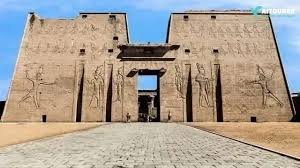
- Chrám Edfu: Discuss the Temple of Edfu and its fascinating history related to the god Horus.
When Is the Best Time to Visit Luxor?
A Seasonal Travel Guide
Winter (December – February) | 15–25°C
The most popular time to visit Luxor.
Nejlepší pro:
- Long visits to the Valley of the Kings
- Full-day temple exploration
- Hot air balloon flights
- Photography
Things to consider:
- Higher prices
- Larger crowds
- Advance reservations recommended
Shoulder Seasons (October–November & March–April)
Often considered the best overall time to visit Luxor.
Advantages:
- Comfortable temperatures
- Fewer tourists
- Better value for money
An ideal balance between sightseeing and relaxation.
Summer (May – September) | 35–45°C
Not for everyone, but with clear advantages.
Nejlepší pro:
- Budget travelers
- Short early-morning visits
- Crowd-free sightseeing
Essential tips:
- Start sightseeing at sunrise
- Avoid midday heat
- Stay hydrated and take breaks
How to Choose the Best Experiences in Luxor
Expert Travel Tips
- First-time visitors: Guided tours on both the East and West Banks
- History enthusiasts: Private tours with a professional Egyptologist
- Photographers: Hot air balloon flight + early morning visits
- Slow travelers: Felucca sailing + evening cultural shows
When experiences are chosen thoughtfully, Luxor stops being a checklist of monuments and becomes a complete journey through the history of human civilization
Food & Dining in Luxor 2026
A Culinary Journey Through the Heart of Ancient Egypt
Luxor is not only the world’s greatest open-air museum — it is also a city where food tells the story of Egypt just as powerfully as its temples and tombs.
Every meal in Luxor, from a simple local breakfast to a romantic dinner overlooking the Nile, is part of a deeper cultural experience. For travelers visiting Luxor in 2026, discovering Egyptian cuisine is not optional — it is essential.
Traditional Egyptian Dishes You Must Try in Luxor
Koshari – Egypt’s National Dish
A hearty mix of rice, lentils, pasta, chickpeas, crispy onions, and spicy tomato sauce.
Affordable, filling, and perfect after a long morning exploring Karnak or the Valley of the Kings.
Average price: €1.5–3
Ful Medames – The Egyptian Breakfast Classic
Slow-cooked fava beans seasoned with olive oil, garlic, lemon, and cumin.
This traditional breakfast fuels locals and travelers alike for a full day of sightseeing.
Best enjoyed: early morning at a local café.
Molokhia – A Taste of Authentic Egypt
A green soup made from jute leaves, served with rice or baladi bread.
Its unique texture divides opinions, but it’s a must-try for anyone seeking an authentic Egyptian experience.
Mahshi – Stuffed Vegetables, Egyptian Style
Grape leaves, peppers, or cabbage filled with seasoned rice and herbs.
A favorite in Egyptian homes and an excellent vegetarian option.
Travel tip: family-run restaurants serve the best mahshi.
Street Food in Luxor – Fast, Cheap, and Full of Flavor
Ta’meya (Egyptian Falafel)
Made from fava beans, not chickpeas. Crispy, green inside, and packed with flavor.
Perfect between visits to Luxor Temple and Karnak.
Shawarma
Marinated meat wrapped in fresh bread — ideal for dinner after a long day of walking.
Baladi Bread
Freshly baked daily and served with almost every meal.
Simple, warm, and essential to Egyptian cuisine.
Aish El Saraya – Traditional Egyptian Dessert
Layered bread soaked in syrup, topped with cream and pistachios — the perfect sweet ending.
Traditional Egyptian Drinks to Try in Luxor
- Egyptian Tea: Strong, very sweet, served everywhere
- Karkade (Hibiscus): Refreshing hot or cold drink
- Qamar El-Din: Apricot juice, popular especially during Ramadan
- Turkish Coffee: Thick, intense, and perfect with dessert
Where to Eat in Luxor – Best Restaurants & Local Experiences
Dining in Luxor often comes with Nile views or illuminated temples at night.
Best Restaurants in Luxor:
- Sofra Restaurant: Best place to start your Egyptian food journey
- Al-Sahaby Lane: Rooftop dining with temple views at sunset
- 1886 Restaurant: Elegant fine dining for special occasions
- Aboudi Coffee Shop: Authentic local café for breakfast or tea
- West Bank Restaurants: Quiet gardens and home-style meals after visiting the Valley of the Kings
Pro tip: Book sunset dinners in advance during high season.
A Perfect Day in Luxor – History, Nile & Egyptian Cuisine
Start early to avoid the heat.
Explore the Valley of the Kings and Hatshepsut Temple, then cross the Nile by felucca for lunch at a local restaurant.
Spend the afternoon at Karnak Temple and finish the day with a walk along the Corniche and dinner overlooking the Nile.
End the evening with karkade or Turkish coffee as Luxor transforms after dark.
Travel Budget for Luxor 2026 – What to Expect
Budget Traveler: €25–40 per day
- Accommodation: €10–20
- Food: €8–12
- Transport: €3–5
- Attractions: €4–8
Mid-Range Traveler: €60–120 per day
- Accommodation: €30–60
- Food: €15–25
- Transport: €8–15
- Attractions: €7–20
Luxury Traveler: €200–500+ per day
- Accommodation: €150–400
- Food: €40–80
- Transport: €20–50
- Attractions: €30–100
Smart tip: Eating locally in Luxor significantly reduces costs without sacrificing quality.
Why This Section Matters in a Complete Luxor Travel Guide
- Answers where and what to eat in Luxor
- Connects food with history and sightseeing
- Enhances the full travel experience
- Strongly supports SEO for Luxor travel searches
Luxor Attractions & Costs 2026 – Complete Travel Budget Guide
Planning your trip to Luxor? Knowing the costs of attractions, activities, and services will help you enjoy the city of pharaohs without overspending. Whether you’re traveling on a budget, comfortably, or in luxury, Luxor offers options for everyone.
Entrance Fees & Activity Costs in Luxor (2026)
| Attraction / Service | Approx. Price (€) | Approx. Price (EGP) |
|---|---|---|
| Valley of the Kings (3 tombs) | €10 | 500 |
| Tutankhamun Tomb (separate ticket) | €9 | 450 |
| Seti I Tomb (KV17 – limited access) | €20 | 1,000 |
| Ramesses VI Tomb (KV9) | €2 | 100 |
| Chrámový Komplex Karnak | €6 | 300 |
| Luxor Temple | €4 | 200 |
| Hatšepsut Chrám | €2.80 | 140 |
| Údolí Královen | €2.80 | 140 |
| Nefertari Tomb (QV66 – reservation required) | €32 | 1,600 |
| Medinet Habu Temple | €2 | 100 |
| Deir el-Medina | €2 | 100 |
| Photography tickets | €6–10 | 300–500 |
| Hot air balloon ride | €60–100 | 3,000–5,000 |
| Private guide (full day) | €40–70 | 2,000–3,500 |
| Felucca cruise (1h) | €8–12 | 400–600 |
| Taxi (half day, West Bank) | €20–30 | 1,000–1,500 |
| Luxor Museum | €4 | 200 |
| Mummification Museum | €2.40 | 120 |
| Sound & Light show v Karnaku | €6–8 | 300–400 |
| Bicycle rental (West Bank) | €2–3 | 100–150 |
| Local ferry (East ↔ West Bank) | €0.10 | 5 |
Tip: Photography fees are separate and flash is prohibited in all monuments.
How to Save Money in Luxor
- Travel off-season (May–September) to save 30–50% on accommodations and tours.
- Eat at local restaurants away from tourist paths.
- Use public transportation: shared taxis and ferries.
- Skip photography tickets if your budget is tight.
- Bring reusable water bottles and refill at hotels.
Hidden Costs to Remember
- Tipy pro průvodce a řidiče
- Photography permits at archaeological sites
- Sunscreen and skincare
- Nile ferry crossings
- Souvenirs in tourist shops
- Insurance and possible medical expenses
Payment Methods in Luxor
- Cash (EGP) – preferred at all monuments
- ATMs – widely available, but fees apply
- Hotels – credit cards accepted
- Money exchange – only in banks or official exchange offices
- Avoid street money changers
Exchange rate tip: ~55 EGP ≈ 1 EUR (2025, fluctuates daily)
Ancient Egyptian Hieroglyphs & Symbols: Luxor Guide
Luxor is not only an open-air museum — it is a place where ancient Egyptian history comes alive. Understanding the hieroglyphs and symbols on temples, tombs, and monuments lets you read the stories of the pharaohs and appreciate the magic of this civilization.
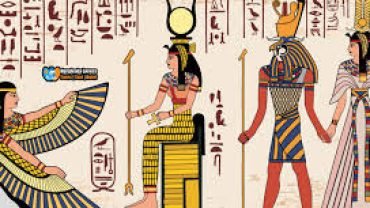
Key Egyptian Gods and Their Symbols
- Amun-Ra (𓀭) – King of the gods, patron of Thebes; identifiable by his tall feathered crown.
- Isis (𓁩) – Goddess of magic and motherhood; often shown with protective wings.
- Anubis (𓀻) – God of mummification and the afterlife, with a jackal head.
- Horus (𓅃) – Sky god with a falcon head; symbol of divine power and protection.
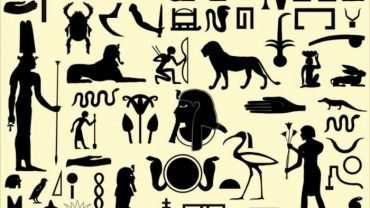
Common Hieroglyphs and Their Meaning
- Cartouche (𓋹) – Oval frame containing royal names; protects the pharaoh’s identity.
- Pharaoh’s Crown (𓋿) – Double crown of Upper and Lower Egypt, symbolizing united rule.
- Ankh (𓌻) – Symbol of life and eternity; often held by gods.
- Djed Pillar (𓋍) – Stability and permanence, linked to Osiris.
- Lion (𓃭) – Royal power, associated with solar deities.
- Ibis (𓄿) – Sacred to Thoth; symbol of wisdom and writing.
- Scorpion (𓆣) – Rebirth and resurrection; linked to the sun god.
- Uraeus Cobra (𓆚) – Protective serpent on pharaohs’ crowns.
- Shen Ring (𓊖) – Protection and eternity.
- Lotus (𓊮) – Rebirth and life.
- Sun Disk (𓇳) – Represents Ra, the source of life and energy.
- Water (𓈍) – Life and purification.
- Papyrus (𓆑) – Lower Egypt and marshlands; used in writing.
- Star (𓇯) – Fate and divine guidance.
- Eye of Horus (𓃀) – Protection, royal power, and health.
- Feather of Ma’at (𓅱) – Truth and justice; used in weighing hearts in the afterlife.
How to Use This Guide in Luxor
- During visits: Spot symbols at Karnak, Luxor Temple, and the Valley of the Kings.
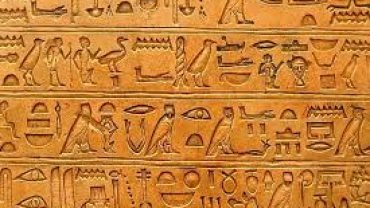
- Interpreting history: Hieroglyphs tell myths, pharaoh achievements, and religious rituals.
- Photography tips: Best light is sunrise or sunset.
- Traveler challenge: Try spotting Amun-Ra, Isis, the Ankh, or the Eye of Horus at tombs and temples.
Hieroglyphs transform a simple tour into a living storybook of ancient Egypt, giving deeper meaning beyond sightseeing
Ancient Thebes & Luxor 2026 – Frequently Asked Questions (FAQ)
This section answers the most common and important questions travelers ask before visiting Luxor — clearly, honestly, and practically — so you can plan your trip with confidence and without surprises.
Planning Your Visit to Luxor
What are the must-see attractions in Luxor?
Luxor’s main attractions are divided between the two banks of the Nile, and together they form a complete story of Ancient Thebes.
West Bank – The Ancient Necropolis:
- Valley of the Kings (including Tutankhamun’s tomb)
- Zádušní Chrám Hatšepsut
- Valley of the Queens (Tomb of Queen Nefertari)
- Medinet Habu
- Memnonovy Kolosy
East Bank – Temples and the Living City:
- Chrámový Komplex Karnak
- Luxor Temple
- Luxor Museum (optional but highly recommended)
Together, these sites offer a full understanding of ancient Egyptian religion, power, and daily life.
How many days do you need to visit Luxor?
- 2 days: Fast-paced visit covering the highlights
(1 day West Bank, 1 day East Bank) - 3 days: Ideal for most travelers
(time for museums, felucca sailing, and a relaxed pace) - 4 days or more: Best for history lovers, photographers, and slow travelers
 Most visitors consider 3 dny the perfect amount of time.
When is the best time to visit Luxor?
The best period is Října do dubna, when temperatures range between 15–25°C.
- December–February: Best weather, but busiest season
- October–November & March–April: Best balance of weather, crowds, and prices
- May–September: Very hot (35–45°C), fewer tourists, lower costs
What is the difference between the East Bank and the West Bank?
- East Bank: Temples of the gods, modern city, hotels, daily life
- West Bank: Royal tombs, mortuary temples, and the realm of the afterlife
Most travelers explore the West Bank early in the morning and visit the East Bank later in the day.
Practical Information – Luxor 2026
Do you need a guide in Luxor?
A guide is not mandatory, but strongly recommended.
Temples and tombs are full of symbolism and mythology that information panels do not explain. A professional Egyptologist transforms stone monuments into a clear and fascinating story.
How much do entrance tickets cost in Luxor?
(Approximate prices for adult foreign visitors – subject to change)
- Valley of the Kings (3 tombs): ~300 EGP
- Tutankhamun’s Tomb: +400 EGP
- Karnak Temple: ~200 EGP
- Luxor Temple: ~160 EGP
- Hatshepsut Temple: ~100 EGP
- Tomb of Nefertari: ~1400 EGP
 Many sites require additional tickets for photography.
How do you get around Luxor?
- Taxis – common and affordable
- Public ferry (East ↔ West Bank) – cheap and scenic
- Organized tours – efficient and comfortable
- Bicycles – popular on the West Bank
- Horse-drawn carriages – short distances only (agree on price in advance)
Where is the best place to stay in Luxor?
- East Bank: Best for first-time visitors and easy access
- West Bank: Quieter, more intimate, beautiful views
During winter (December–February), booking in advance is highly recommended.
Luxor 2026 -Temples and Tombs
Can you visit Tutankhamun’s tomb?
Yes. Tutankhamun’s tomb (KV62) is open to visitors but requires a separate ticket.
Inside, you will see:
- The original mummy of the pharaoh
- A limited number of original artifacts
It is historically unique, although smaller than many other tombs.
Is photography allowed in temples and tombs?
- Usually requires a separate photography ticket
- Flash is strictly forbidden
- Some tombs (e.g. Nefertari) do not allow photography at all
- Filming requires special permits
Always follow local rules to help preserve the monuments.
What time do attractions open?
- Most sites open around 6:00 AM
- Closing time: 4:00-5:00 HOD., depending on season
- Valley of the Kings may open earlier in summer
- Karnak and Luxor Temple are sometimes accessible in the evening
Opening hours may change during Ramadan or public holidays.
What is the most beautiful tomb in the Valley of the Queens?
The tomb of Queen Nefertari (QV66) is considered the most beautiful tomb in Egypt.
Often called the “Sistine Chapel of Ancient Egypt”, it is famous for:
- Vivid colors
- Perfectly preserved reliefs
- Limited daily visitor access
Health, Safety, and Comfort
Is Luxor safe for tourists?
Yes. Luxor is considered a very safe tourist destination.
- Strong tourist police presence
- Security at all major sites
- Tourism is the city’s main source of income
Standard travel precautions are sufficient.
How do you deal with the heat in Luxor?
- Visit sites early in the morning and late afternoon
- Wear light, breathable clothing
- Drink plenty of water (3–4 liters per day in summer)
- Take breaks at your hotel
- Underground tombs are cooler than open temples
How much walking is involved in Luxor?
Očekávat moderate to heavy walking, especially at:
- Karnak Temple
- Údolí Králů
Surfaces are ancient and uneven — comfortable walking shoes are essential
Frequently Asked Questions (FAQs) – Luxor Egypt
What is Luxor, Egypt?
Luxor is a historic city in southern Egypt, located on the east bank of the Nile River. It is often described as the world’s largest open-air museum because of its extraordinary concentration of ancient temples, tombs, and monuments.
What is in Luxor?
Luxor is home to iconic landmarks such as Karnak Temple, Luxor Temple, the Valley of the Kings, the Valley of the Queens, and the Colossi of Memnon, in addition to museums, Nile cruises, and traditional markets.
What is Luxor famous for?
Luxor is famous for being the ancient city of Thebes, the religious capital of Ancient Egypt, and for hosting some of the most important archaeological sites in human history.
Where is Luxor located in Egypt?
Luxor is located in Upper Egypt, about 670 kilometers south of Cairo, along the Nile River.
How old is Luxor, Egypt?
Luxor is more than 4,000 years old, with its origins dating back to the Middle Kingdom of Ancient Egypt.
When did Thebes become Luxor?
The ancient city of Thebes gradually became known as Luxor during the Islamic era, when Arabs named it “Al-Uqsur,” meaning “the palaces.”
Are Thebes and Luxor the same place?
Yes, ancient Thebes is the historical name of what is now modern Luxor.
Landmarks and Ancient Sites in Luxor
What to see in Luxor, Egypt?
Visitors can explore Karnak Temple, Luxor Temple, the Valley of the Kings, Hatshepsut Temple, and many other archaeological wonders.
What is Luxor Temple?
Luxor Temple is a large ancient Egyptian temple complex located in the city center, dedicated primarily to the rejuvenation of kingship.
Is Luxor Temple the same as Karnak Temple?
No, Luxor Temple and Karnak Temple are two separate complexes connected by the Avenue of Sphinxes.
Are there pyramids in Luxor?
No, pyramids are located mainly in northern Egypt near Cairo, not in Luxor.
Travel, Weather, and Safety
How far is Cairo from Luxor?
The distance between Cairo and Luxor is approximately 670 kilometers.
How many days are enough in Luxor?
Most travelers need 2 to 4 days to explore Luxor comfortably.
Is it safe to visit Luxor?
Yes, Luxor is considered very safe for tourists and is one of Egypt’s most secure tourist destinations.
Are there crocodiles in Luxor?
Crocodiles are extremely rare in this part of the Nile and are not a concern for visitors.
Language and Meaning
What does the name Luxor mean?
The name Luxor comes from the Arabic word “Al-Uqsur,” meaning “the palaces.”
Must-See Places with Hieroglyphs – Luxor 2026
Luxor is a city where ancient Egyptian symbols come to life. To truly appreciate the art, stories, and rituals of the pharaohs, knowing where to see hieroglyphs and how to read them is essential.
Top Hieroglyphic Sites in Luxor
Karnak Temple
- Marvel at towering columns and walls covered in hieroglyphs.
- Discover well-preserved royal cartouches and divine symbols, telling stories of gods and kings.
Údolí Králů
- Tomb walls feature texts from the Book of the Dead.
- Intricate scenes depict pharaohs interacting with gods, surrounded by protective symbols.
Luxor Temple
- Look for royal names in cartouches on walls and obelisks.
- Clear examples of divine iconography can be seen in ceremonial spaces.
Hatšepsut Chrám
- Unique inscriptions show a female pharaoh ruling like a king.
- Modified royal symbols reflect the authority of Queen Hatshepsut.
Basics of Reading Hieroglyphs
Understanding hieroglyphs transforms your visit from sightseeing to an immersive journey through history.
Reading direction:
- Hieroglyphs can be read left to right, right to left, or top to bottom, depending on the direction the figures face.
Three main types of symbols:
- Logograms – represent entire words or objects.
- Phonograms – symbols representing sounds.
- Determinatives – placed at the end of words to clarify meaning.
Royal names:
- Always enclosed in a cartouche, symbolically protecting the pharaoh’s identity.
Dive into Egyptian Writing & Mythology
- Learn to interpret ancient texts and uncover the layered meanings of hieroglyphs.
- Discover stories behind sacred writing and the powerful gods of Egypt.
- This knowledge is essential for fully appreciating temple art, tomb decorations, and religious symbolism.
Practical Tips for Tourists – Luxor 2026
- Look for symbols during visits to Karnak Temple, Luxor Temple, and the Valley of the Kings.
- Capture photos at východu nebo západu slunce for dramatic lighting.
- Test your skills: can you identify Amun-Ra, Isis, the Ankh, or the Eye of Horus at the tombs?
Exploring hieroglyphs in Luxor is not just sightseeing—it’s stepping into the stories of ancient pharaohs, gods, and rituals that shaped one of the world’s greatest civilizations

Things to Do in Luxor Beyond Temples
Luxor offers experiences that go beyond archaeology. A hot air balloon ride at sunrise provides a breathtaking view of temples, fields, and the Nile. Felucca sailing offers a peaceful way to experience the river, while local markets reveal everyday Egyptian culture.
Photography, guided walking tours, and cultural evenings add depth to any visit, making Luxor more than a checklist of monuments.
Best Time to Visit Luxor Egypt
Luxor has a desert climate with extremely hot summers. The best time to visit is between October and April, when temperatures are mild and ideal for sightseeing. Winter months are particularly popular, though mornings can be cool.
How Many Days Do You Need in Luxor?
A minimum of two days is required to see the main highlights. Three to four days allow for deeper exploration, while five days or more provide a relaxed and comprehensive experience, including museums and lesser-known sites.
How to Get to Luxor
Luxor is accessible by domestic flights, sleeper trains from Cairo, road transfers, and Nile cruises from Aswan. Each option offers a different travel experience depending on time and budget.
Where to Stay in Luxor
Accommodation ranges from luxury heritage hotels like the Winter Palace to budget guesthouses on the West Bank. Choosing between East and West Bank depends on travel style and priorities.
Is Luxor Safe for Tourists?
Luxor is considered safe for tourists, with strong security presence around major sites. Common-sense precautions ensure a comfortable visit.
Travel Tips for Visiting Luxor
Wear modest clothing, start sightseeing early, hire licensed guides, and stay hydrated. Respect local customs to enhance your experience.
Závěr
- Summary of Luxor’s Must-See Sites: Recap the key points of interest, from monumental temples to unique experiences like hot air ballooning and felucca rides.
- Encouragement to Visit: Inspire readers to explore Luxor for its rich history, breathtaking sights, and unforgettable experiences.
- Final Tips for Visiting: Provide a few final pieces of advice on how to make the most of a visit to Luxor, from booking tours to staying hydrated and safe.
Things to Do in Luxor: Discover the World’s Greatest Open-Air Museum























 English
  German
  French
  Polish
  Russian
  Czech
Czech  Spanish
  Romanian
  Turkish
  Italian
  Hungarian
Komentáře (0)